


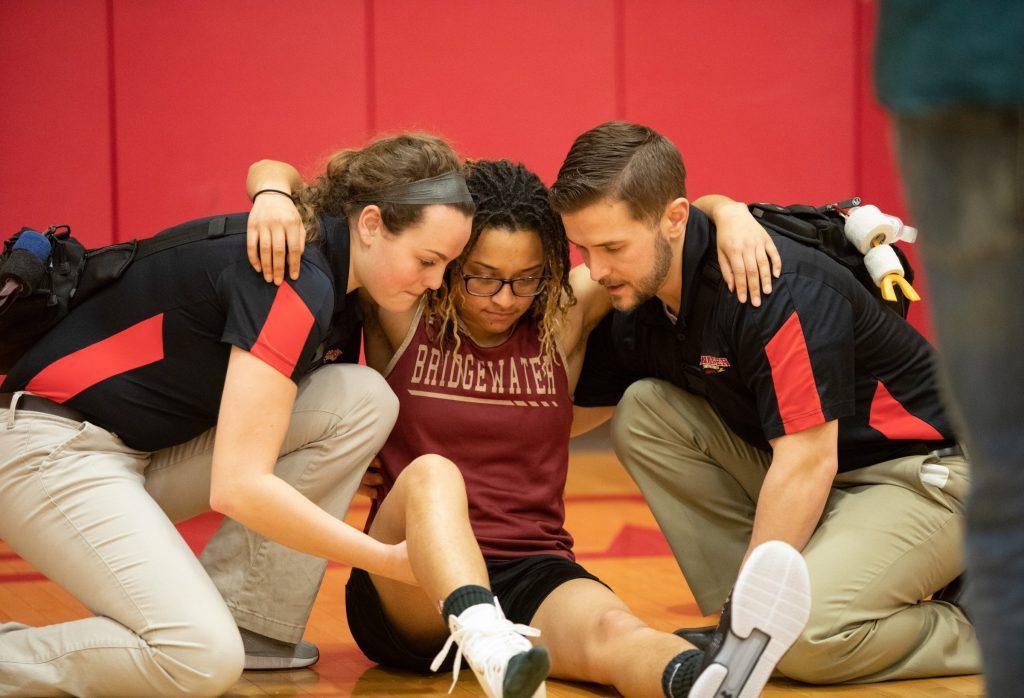
In a world where the boundaries of human capability are constantly being pushed, athletic training programs stand as the unsung heroes of sport and performance. These dynamic programs, often hidden behind the bright lights of competition, serve as a vital bridge between raw talent and peak performance. They are not merely about building strength and endurance; they are intricate journeys that encompass the psychological, physiological, and technical dimensions of athletic development. As athletes navigate the path toward their goals, these programs unlock their potential, revealing layers of resilience, discipline, and skill that may have otherwise remained undiscovered. In this exploration, we will delve into the evolution of athletic training programs, examining the methodologies that shape them, the philosophies that guide them, and the impact they have on shaping not just athletes, but the very fabric of sports itself. Join us as we embark on a compelling journey through the transformative world of athletic training, where potential meets purpose.
Table of Contents
- Exploring the Foundations of Effective Athletic Training Programs
- The Role of Sports Science in Enhancing Performance
- Creating a Supportive Environment for Athlete Development
- Innovative Strategies for Sustaining Long-Term Engagement and Growth
- Closing Remarks
Exploring the Foundations of Effective Athletic Training Programs
At the heart of successful athletic training programs lies a strategic framework that addresses the multifaceted needs of athletes. To build a solid foundation, programs must focus on key components such as:
- Assessment and Evaluation: Conducting thorough evaluations to understand an athlete’s strengths and weaknesses.
- Individualization: Tailoring training regimens based on the unique requirements of each athlete.
- Progression and Periodization: Ensuring structured progress that adapts to the athlete’s development cycle.
Moreover, fostering a holistic approach enhances the effectiveness of training initiatives. This consists of integrating complementary areas which can significantly amplify performance, such as:
- Nutritional Guidance: Providing dietary advice to optimize energy levels and recovery.
- Injury Prevention Strategies: Implementing techniques and protocols to minimize risk and promote longevity in sports.
- Mental Conditioning: Focusing on psychological resilience and goal-setting to enhance competitive readiness.
The Role of Sports Science in Enhancing Performance
In the realm of athletics, sports science plays a pivotal role in fine-tuning the myriad aspects of human performance. By utilizing a blend of physiology, biomechanics, and psychology, professionals are able to design training regimens tailored to an athlete’s unique strengths and weaknesses. This multidimensional approach not only enhances physical capabilities but also addresses mental resilience, ensuring athletes can face high-pressure situations with confidence. Coaches and trainers increasingly rely on advanced data analytics and technology to monitor physical progress and adapt individual training plans accordingly. This level of customization enables athletes to reach new heights in performance, often surpassing previous records.
Moreover, the integration of nutritional science into athletic training has proven indispensable. A well-rounded diet, specifically crafted to meet the energy demands of rigorous training and competition, empowers athletes to recover faster and perform better. Through the meticulous analysis of macronutrient ratios, hydration strategies, and supplementation, athletes can optimize their physical condition and overall well-being. Consider the following table demonstrating the common components of an athlete’s diet and their specific benefits:
| Food Component | Benefit |
|---|---|
| Carbohydrates | Fuel for endurance and energy |
| Proteins | Muscle repair and growth |
| Fats | Sustained energy source |
| Vitamins & Minerals | Support physiological functions |
Creating a Supportive Environment for Athlete Development
To cultivate the optimal conditions for athlete development, it is essential to implement a multifaceted approach that prioritizes not only physical training but also emotional and psychological well-being. Coaches, mentors, and support staff must foster open communication and encourage feedback to create a culture of trust. This supportive atmosphere can be reinforced through:
- Individualized Attention: Tailoring training regimens to the unique strengths and weaknesses of each athlete.
- Resource Accessibility: Providing nutritionists, sports psychologists, and physiotherapists to aid recovery and performance.
- Goal Setting: Involving athletes in setting achievable yet challenging goals to promote personal growth.
- Team Cohesion: Encouraging bonding activities that strengthen interpersonal relationships among athletes.
Moreover, creating an environment that celebrates effort and resilience can significantly enhance motivation and performance. Recognizing and rewarding both individual and team achievements reinforces a positive feedback loop that fuels dedication. A structured support system can be illustrated as follows:
| Support Element | Impact |
|---|---|
| Peer Support Groups | Enhances camaraderie and reduces feelings of isolation. |
| Regular Progress Reviews | Helps in adjusting training strategies per evolving needs. |
| Mental Wellness Workshops | Equips athletes with coping strategies for stress and pressure. |
| Open Dialogue Policies | Encourages athletes to voice concerns, promoting mental health. |
Innovative Strategies for Sustaining Long-Term Engagement and Growth
To ensure that athletic training programs maintain vitality and relevance, organizations must adopt innovative approaches that foster community involvement and sustained interest. By leveraging technology, such as mobile apps and online platforms, programs can facilitate real-time communication and feedback loops between trainers and participants. This approach not only enhances accountability but also creates personalized training experiences that cater to individual progress. Additionally, integrating gamification elements can boost motivation and foster friendly competition among participants, rekindling their commitment toward achieving personal goals.
Collaboration with local businesses and community groups can create powerful synergies that enhance program visibility and engagement. For instance, hosting joint events or challenges can attract new participants while reinforcing existing bonds within the community. Moreover, a robust volunteer program can empower community members to take an active role in supporting and promoting training initiatives. By adopting a multi-faceted outreach approach, athletic training programs can build strong, long-lasting relationships with participants while ensuring continued growth and sustainability.
Closing Remarks
As we conclude our exploration of athletic training programs, it becomes evident that these initiatives are much more than mere pathways to physical prowess; they are intricate journeys of growth, resilience, and personal discovery. Each program not only nurtures the athletic skills of its participants but also fosters critical life lessons in teamwork, discipline, and perseverance. The stories of athletes who have unlocked their potential serve as a testament to the transformative power of dedicated training and mentorship.
In the evolving landscape of sports, where the boundaries of human performance are continually being pushed, athletic training programs stand at the forefront, ready to inspire the next generation of champions. As they navigate the challenges ahead, we celebrate the commitment of trainers, athletes, and institutions alike in this shared endeavor. Let this journey remind us that unlocking potential is not solely about achieving greatness; it is about the process, the people, and the profound impact these experiences can have on lives both inside and outside the arena. The road ahead may be long, but with each step, the promise of greatness becomes increasingly tangible.