


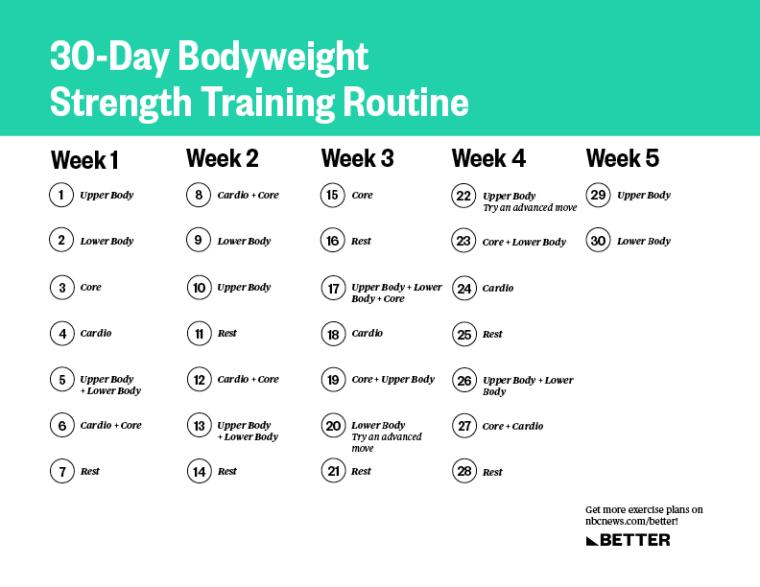
In the pursuit of fitness, intermediate individuals often find themselves at a crucial juncture where basic exercise routines no longer yield the desired results. At this stage, it is essential to adopt comprehensive workout routines that challenge the body while promoting endurance, strength, and flexibility. This article explores a variety of structured workout plans specifically designed for those who have moved beyond beginner levels. By incorporating diverse training modalities, these routines aim to enhance physical capabilities, prevent plateaus, and maintain motivation. Whether your goals include building muscle, improving cardiovascular health, or enhancing overall athletic performance, a tailored approach is vital for continued progress and sustained engagement in fitness activities.
Table of Contents
- Understanding Intermediate Fitness Levels and Their Unique Needs
- Key Components of an Effective Workout Routine for Intermediates
- Balancing Strength Training and Cardio for Optimal Results
- Incorporating Recovery Strategies to Enhance Performance and Prevent Injury
- To Wrap It Up
Understanding Intermediate Fitness Levels and Their Unique Needs
Individuals at an intermediate fitness level possess a foundational understanding of exercise routines and are familiar with basic techniques and principles. They typically have the ability to execute various workouts consistently, but their journey is marked by a desire for progression and diversity in their routines. To accommodate their evolving goals, it is essential to incorporate a mix of strength, endurance, flexibility, and functional training within their regimen to foster balanced development. Key areas of focus often include:
- Progressive Overload: Introducing gradual increases in resistance or intensity to continue making gains.
- Variety in Workouts: Implementing different training styles such as HIIT, circuit training, or yoga to keep engagements fresh.
- Rest and Recovery: Prioritizing recovery days and ensuring adequate rest to prevent injuries and promote muscle repair.
- Nutrition Awareness: Understanding the importance of balanced nutrition to support fitness goals and enhance performance.
Additionally, intermediate fitness enthusiasts often benefit from tracking their progress to stay motivated and accountable. Utilizing tools such as workout logs or apps helps in setting realistic goals while allowing for reflection on achievements over time. A useful approach is to segment workouts into specific focus areas throughout the week, ensuring a well-rounded fitness journey. Below is a simple table outlining a representative weekly workout structure designed for intermediate fitness levels:
| Day | Workout Focus |
|---|---|
| Monday | Full Body Strength Training |
| Tuesday | Cardiovascular Endurance (Running or Cycling) |
| Wednesday | Yoga or Flexibility Training |
| Thursday | Upper Body Strength |
| Friday | Lower Body Strength |
| Saturday | HIIT Session |
| Sunday | Active Recovery (Walking, Light Stretching) |
Key Components of an Effective Workout Routine for Intermediates
To maximize results, an effective workout routine for intermediates should incorporate a balance of strength training, cardiovascular exercise, and flexibility work. Strength training is crucial for building muscle mass and improving metabolism. Aim for a combination of compound movements, such as squats, deadlifts, and bench presses, and isolation exercises targeting specific muscle groups. A good framework could include:
- Frequency: 3-4 days per week
- Sets: 3-4 sets per exercise
- Reps: 8-12 for hypertrophy
In addition to strength training, cardiovascular exercise plays a significant role in enhancing endurance and heart health. Intermediates should challenge themselves with a mix of steady-state cardio and high-intensity interval training (HIIT). This combination allows for varied intensity levels, promoting better calorie burn and improved cardio fitness. To support overall training goals, it’s also essential to incorporate flexibility work, such as yoga or dynamic stretching, at least twice a week. The table below summarizes the suggested components of a well-rounded workout routine:
| Component | Frequency | Suggested Duration |
|---|---|---|
| Strength Training | 3-4 times/week | 45-60 minutes |
| Cardio | 3-5 times/week | 20-40 minutes |
| Flexibility Work | 2-3 times/week | 20-30 minutes |
Balancing Strength Training and Cardio for Optimal Results
Finding the right balance between strength training and cardio is essential for maximizing workout effectiveness and achieving desired fitness outcomes. Combining these two components allows for improved muscle strength, enhanced cardiovascular endurance, and better overall body composition. To create a comprehensive routine, consider the following strategies:
- Frequency: Aim for 3-4 days of strength training and 2-3 days of moderate to intense cardio each week.
- Intensity: Vary the intensity and duration of your cardio sessions to complement strength workouts. Incorporate both steady-state and high-intensity interval training (HIIT).
- Timing: If performing both types of workouts in a single day, consider your fitness goals. For muscle growth, prioritize strength training; for weight loss, start with cardio.
- Recovery: Allow for adequate rest, especially between strength training sessions targeting the same muscle groups.
A well-structured workout routine should also pay attention to nutrition and recovery to support both strength and endurance. Below is a summary of a sample weekly workout plan that illustrates how to integrate both aspects effectively:
| Day | Workout Type | Focus |
|---|---|---|
| Monday | Strength Training | Upper Body |
| Tuesday | Cardio | HIIT |
| Wednesday | Strength Training | Lower Body |
| Thursday | Cardio | Steady-State |
| Friday | Strength Training | Full Body |
| Saturday | Active Rest | Light Cardio or Stretching |
| Sunday | Rest | – |
Incorporating Recovery Strategies to Enhance Performance and Prevent Injury
Incorporating effective recovery strategies into your fitness routine is essential for enhancing performance and preventing injury. By listening to your body and integrating a variety of recovery techniques, you can facilitate muscle repair and growth while also preparing your body for subsequent workouts. Active recovery methods such as light jogging, cycling, or yoga can be beneficial on rest days, allowing blood flow to muscles without straining them. Additionally, consider the following recovery strategies:
- Hydration: Ensure you’re well-hydrated before, during, and after exercise.
- Nutrition: Focus on a balanced diet rich in protein, healthy fats, and complex carbs to support muscle repair.
- Sleep: Prioritize getting 7-9 hours of quality sleep each night to promote recovery and overall well-being.
Implementing techniques like foam rolling and stretching can significantly reduce muscle soreness and improve flexibility. Schedule regular sessions for this type of active recovery, especially after intense workouts, ensuring to target major muscle groups. It can also be helpful to track your recovery practices and their effects on performance. Below is a simple table to help monitor your recovery techniques over the weeks:
| Week | Recovery Technique | Duration | Notes |
|---|---|---|---|
| 1 | Foam Rolling | 15 mins | Focus on lower back and quads |
| 2 | Yoga | 30 mins | Improved flexibility in hamstrings |
| 3 | Hydration Assessment | N/A | Increased water intake |
To Wrap It Up
constructing a comprehensive workout routine for intermediate fitness levels involves a balanced approach that incorporates strength training, cardiovascular exercise, flexibility work, and recovery strategies. By utilizing a variety of exercises and modalities, individuals can enhance their overall fitness, build muscle, and improve endurance. It is essential to monitor progress and adjust routines based on personal goals and performance, ensuring continual development and minimizing the risk of injury. As one advances in their fitness journey, embracing adaptability and consistency will be key to achieving long-term health and wellness objectives. Whether your aim is to increase strength, improve cardiovascular health, or enhance flexibility, a well-structured approach tailored to your intermediate skills will serve as a foundation for further growth and success in your fitness endeavors.