


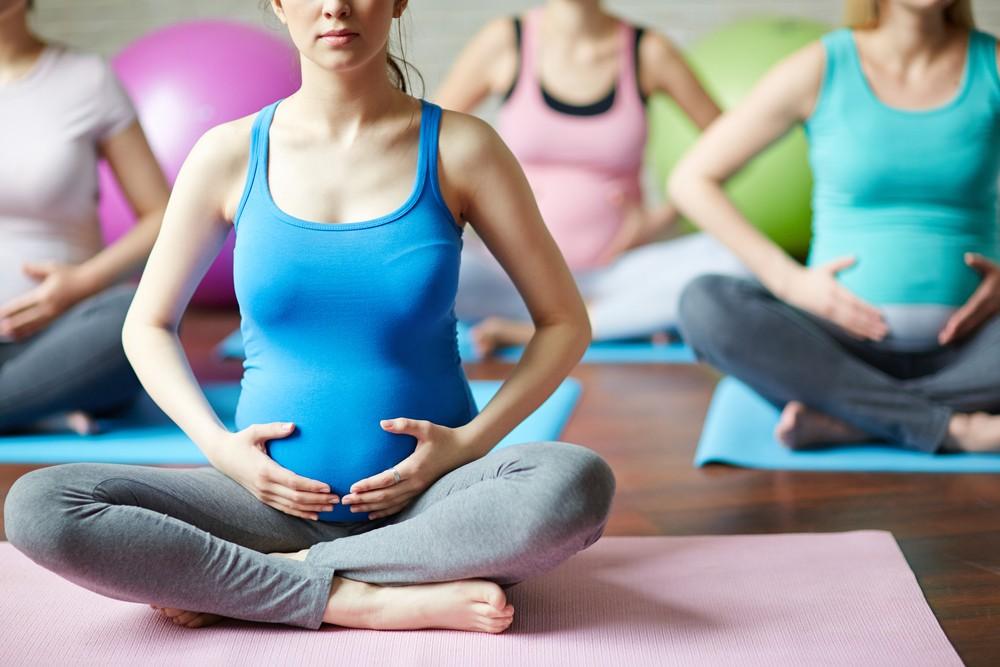
As the journey of motherhood unfolds, the body goes through a myriad of changes, each one a testament to the incredible design of life. While the excitement of welcoming a new baby is often accompanied by a whirlwind of emotions, it also brings with it the importance of maintaining a healthy and balanced lifestyle. Enter prenatal fitness training—a dedicated approach to staying active and nurturing both the body and mind during this transformative time. In this guide, we will explore the essentials of prenatal fitness, highlighting the benefits of exercise during pregnancy, practical tips for integrating movement into daily routines, and expert insights to help expectant mothers embrace wellness with confidence. Whether you’re a novice or an experienced fitness enthusiast, this journey will empower you to cultivate strength, flexibility, and mental clarity, ensuring both you and your baby thrive. Let’s dive into the beautiful world of prenatal fitness, where wellness is not just a goal but a celebration of the life growing within.
Table of Contents
- Understanding the Importance of Prenatal Fitness for Maternal Well-being
- Safe and Effective Exercises for Every Trimester
- Nutrition Tips to Complement Your Prenatal Fitness Journey
- Mindfulness and Relaxation Techniques to Support Your Body and Baby
- Final Thoughts
Understanding the Importance of Prenatal Fitness for Maternal Well-being
Incorporating fitness routines during pregnancy is essential for enhancing both physical and mental health. Engaging in regular exercise can lead to myriad benefits, such as reducing stress levels, improving sleep quality, and alleviating common pregnancy discomforts. It also plays a significant role in preparing the body for labor and delivery. By focusing on strength, flexibility, and cardiovascular fitness, expectant mothers can empower themselves to navigate the challenges of pregnancy with greater ease.
Moreover, prenatal fitness fosters a stronger bond between mother and child. Participating in movements that emphasize breathing and mindfulness can create a calming environment, facilitating a deeper connection. Additionally, social interactions through group classes can combat feelings of isolation many expectant mothers may experience. Here are some key reasons to embrace prenatal fitness:
- Enhanced Mood: Regular exercise releases endorphins, improving overall mood.
- Better Posture: Strengthening core muscles provides support as the body changes.
- Reduced Risk of Complications: Staying active can minimize risks like gestational diabetes.
Safe and Effective Exercises for Every Trimester
Engaging in safe and effective exercises throughout pregnancy can significantly enhance your well-being and prepare your body for childbirth. In the first trimester, focus on gentle activities that promote circulation and strength without overexertion. Consider incorporating:
- Walking: A simple way to maintain fitness while enjoying fresh air.
- Pelvic floor exercises: Strengthening these muscles can aid in labor and recovery.
- Yoga: Enhances flexibility and encourages relaxation through safe, modified poses.
As the pregnancy progresses into the second and third trimesters, adapt your exercises to accommodate your growing belly. It’s important to prioritize movements that maintain energy while ensuring comfort. Try including:
- Swimming: Provides buoyancy, reducing strain on joints.
- Resistance band workouts: These allow for safe strength training without heavy weights.
- Modified Pilates: Target the core while focusing on breathing and alignment.
Nutrition Tips to Complement Your Prenatal Fitness Journey
To fuel your prenatal fitness journey effectively, focus on a balanced diet rich in essential nutrients. Incorporating a variety of foods will not only support your energy levels during workouts but also nourish your growing baby. Aim to include whole grains, lean proteins, healthy fats, and a colorful array of fruits and vegetables in your meals. Consider the following tips to enhance your nutrition:
- Opt for whole grains like quinoa, brown rice, and oats to provide sustained energy.
- Include lean protein sources such as chicken, fish, legumes, and tofu for muscle health.
- Incorporate healthy fats from avocados, nuts, and seeds to support fetal development.
- Stay hydrated with water and herbal teas to maintain energy levels and overall well-being.
Timing your meals can also play a crucial role in supporting your fitness regimen. Eating smaller, more frequent meals can help maintain stable blood sugar levels and provide consistent energy throughout the day. Consider creating a meal plan that aligns with your workout schedule. Below is a simple meal timing framework:
| Time | Meal | Focus |
|---|---|---|
| 7:00 AM | Breakfast | Fiber & Protein – Smoothie with spinach, banana, and Greek yogurt |
| 10:00 AM | Snack | Healthy Fats – Handful of almonds |
| 12:30 PM | Lunch | Lean Protein – Grilled chicken salad with a variety of veggies |
| 3:00 PM | Snack | Whole Grains – Whole grain toast with avocado |
| 6:00 PM | Dinner | Everything – Baked salmon, quinoa, and steamed broccoli |
Mindfulness and Relaxation Techniques to Support Your Body and Baby
Incorporating mindfulness into your daily routine can greatly enhance both your physical and emotional well-being during pregnancy. Practicing mindfulness encourages you to connect with your body and your baby, fostering a sense of calm and grounding as you navigate the changes of pregnancy. Consider these techniques to cultivate mindfulness:
- Breathing Exercises: Focus on your breath, inhaling deeply through your nose and exhaling slowly through your mouth. This simple practice can help reduce anxiety and promote relaxation.
- Body Scans: Take a few moments to mentally scan your body from head to toe, acknowledging any tension and consciously relaxing each area.
- Guided Imagery: Visualize peaceful settings, such as a serene beach or a quiet forest, to create a mental escape and alleviate stress.
To complement your mindfulness practices, relaxation techniques can significantly benefit both you and your unborn child. Engaging in these activities not only reduces stress but also fosters a deeper bond with your baby. Here are some effective relaxation methods:
- Gentle Yoga: Participate in prenatal yoga classes that focus on stretching, breathing, and mindfulness – perfect for soothing both body and mind.
- Massage Therapy: Consider getting a prenatal massage to alleviate discomfort and promote relaxation, enhancing your emotional well-being.
- Warm Baths: A warm bath infused with soothing essential oils can be a tranquil way to unwind and cherish quiet time with your baby.
Final Thoughts
As we draw the curtain on our exploration of prenatal fitness training, it’s clear that embracing wellness during this transformative time is more than just a trend—it’s a vital journey toward nurturing both body and spirit. Each gentle movement, mindful breath, and intentional choice contributes to a foundation of health that supports not just the expectant mother, but also the precious new life that awaits.
Remember, there is no one-size-fits-all approach to prenatal fitness. Every woman’s experience is unique, and it is essential to listen to your body, honor your instincts, and seek guidance from professionals when needed. By integrating movement into your pregnancy with grace and awareness, you are not only enhancing your physical strength and emotional resilience but also creating a harmonious environment for your growing baby.
As you embark on this journey, let wellness be your companion. Embrace the opportunity to connect with your body, engage with your community, and cultivate a deeper understanding of your changing self. With each step you take, know that you are not just training for the demands of motherhood; you are nurturing a powerful bond that will last a lifetime. Here’s to the beautiful adventure of pregnancy, and to the wellness that awaits as you step into this new chapter!