


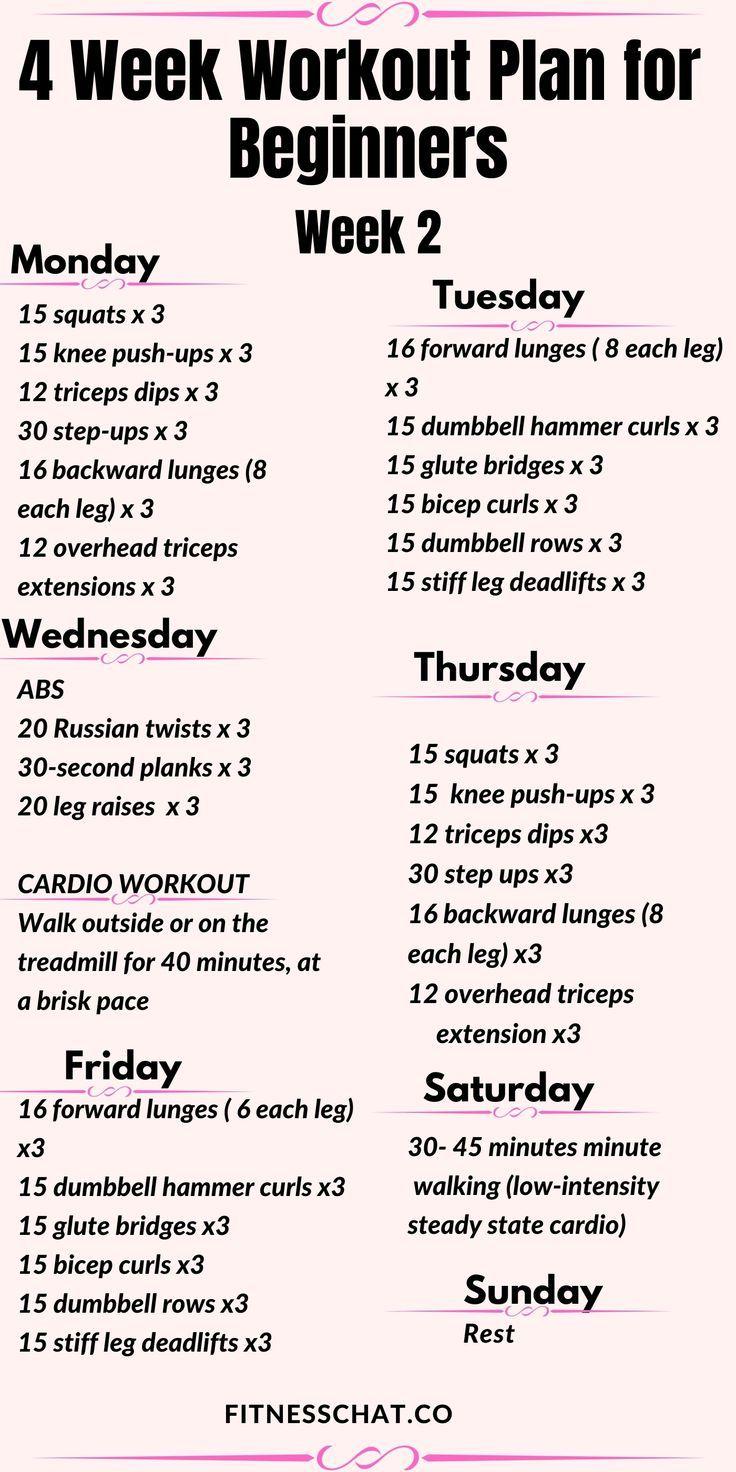
As individuals progress in their fitness journeys, they often reach an intermediate level where foundational skills and strength have been established. At this stage, it becomes crucial to implement workout routines that not only enhance physical capabilities but also prevent plateaus and minimize the risk of injury. This article explores effective workout routines tailored for those at the intermediate fitness level, offering a variety of approaches that accommodate different goals, such as strength building, endurance improvement, and overall fitness enhancement. By examining structured programs, exercise variations, and training principles, readers will gain insights into optimizing their workouts for continued advancement and sustained motivation.
Table of Contents
- Understanding Intermediate Fitness Goals and Progressions
- Key Components of an Effective Intermediate Workout Routine
- Recommended Exercise Modalities for Balanced Development
- Incorporating Recovery and Nutrition for Optimal Performance
- Closing Remarks
Understanding Intermediate Fitness Goals and Progressions
As an intermediate fitness enthusiast, setting realistic and structured fitness goals is crucial for sustained progress and motivation. At this level, it’s vital to focus on both performance improvements and body composition changes. To effectively navigate this stage, consider breaking down your goals into specific categories such as strength, endurance, flexibility, and skill acquisition. Some examples include:
- Strength: Increase your squat and deadlift by 10% over the next two months.
- Endurance: Improve your 5K run time by two minutes within eight weeks.
- Flexibility: Achieve a full split or improve your overhead mobility in three months.
- Skill: Master a complex movement like the clean and jerk or muscle-up by practicing regularly.
When it comes to progressing through your intermediate fitness journey, employing a systematic approach to your workouts can yield impressive results. Incorporating progressive overload—where you gradually increase the weight, intensity, or volume—will keep your muscles challenged and promote growth. It can be helpful to track your workouts using a simple table to monitor your progress effectively:
| Week | Exercise | Weight (lbs) | Reps |
|---|---|---|---|
| 1 | Squat | 150 | 8 |
| 2 | Squat | 160 | 8 |
| 3 | Squat | 170 | 8 |
| 4 | Squat | 180 | 6 |
This structured approach not only provides clarity but also serves as a motivational tool as you celebrate personal bests, making adjustments where necessary to avoid plateaus and enhance performance consistently.
Key Components of an Effective Intermediate Workout Routine
An effective intermediate workout routine incorporates a variety of elements to ensure balanced development and to prevent plateaus. A well-rounded program typically includes strength training, cardiovascular activities, and flexibility exercises. Strength training should vary in intensity and volume; incorporating compound movements like squats, deadlifts, and bench presses is beneficial. Additionally, the inclusion of isolation exercises helps target specific muscle groups. For cardiovascular workouts, engaging in high-intensity interval training (HIIT) or steady-state cardio supports endurance and heart health. Lastly, flexibility and mobility work, such as yoga or dynamic stretching, should be included to enhance recovery and prevent injury.
Another critical aspect of a successful intermediate routine is the principle of progressive overload. Gradually increasing weight, reps, or workout intensity ensures continual adaptation. It’s also crucial to implement a systematic approach to rest and recovery, allowing muscles to repair and grow stronger. Adequate rest days should be incorporated without neglecting active recovery activities like light swimming or walking. To illustrate a balanced weekly workout plan, consider the following table:
| Day | Focus | Activity |
|---|---|---|
| Monday | Strength Training | Upper Body |
| Tuesday | Cardio | HIIT (30 mins) |
| Wednesday | Strength Training | Lower Body |
| Thursday | Flexibility | Yoga (1 hour) |
| Friday | Strength Training | Full Body |
| Saturday | Cardio | Steady-State (45 mins) |
| Sunday | Active Recovery | Light Walk or Swim |
Recommended Exercise Modalities for Balanced Development
For those seeking to enhance their fitness journey, integrating a variety of exercise modalities is essential for promoting balanced physical development. Strength training should be a cornerstone of your routine, focusing on multi-joint movements such as squats, deadlifts, and bench presses to build muscle and improve overall strength. Coupling this with cardiovascular workouts—like running, cycling, or swimming—will elevate your endurance and heart health. To further enhance flexibility and prevent injury, incorporating yoga or Pilates sessions can promote core stability and increase range of motion.
To help structure your weekly workout plan, consider the following distribution of activities to create a well-rounded routine:
| Day | Type of Exercise | Duration |
|---|---|---|
| Monday | Strength Training | 60 mins |
| Tuesday | Cardio | 30 mins |
| Wednesday | Yoga | 45 mins |
| Thursday | Strength Training | 60 mins |
| Friday | Cardio | 30 mins |
| Saturday | Flexibility & Core | 45 mins |
| Sunday | Rest or light activity | – |
By balancing strength, cardio, and flexibility training throughout your week, you can ensure comprehensive development and reduce the risk of burnout or injury. Adapting the intensity and focus of workouts according to your evolving fitness level will further optimize results, allowing for continuous engagement and effective progress.
Incorporating Recovery and Nutrition for Optimal Performance
To achieve peak performance and continuous improvement in your workout routines, integrating recovery and nutrition is crucial. Recovery allows your body to repair and rebuild, essential after intense workout sessions. Prioritize methods such as:
- Sufficient Sleep: Ensure 7-9 hours of quality sleep to optimize muscle recovery.
- Active Recovery: Engage in light activities such as walking or yoga on rest days to enhance blood flow.
- Stretching and Mobility Work: Incorporate dynamic stretching pre-workout and static stretching post-workout to maintain flexibility.
Equally important is your nutrition, which fuels your body and aids in recovery. Incorporate a well-rounded diet that includes:
- Protein: Essential for muscle repair; aim for lean sources like chicken, fish, and plant-based proteins.
- Complex Carbohydrates: Provide sustained energy; include whole grains, fruits, and vegetables.
- Healthy Fats: Support hormone production; opt for avocados, nuts, and olive oil.
To visualize your nutritional needs, consider the following guidelines:
| Macronutrient | Recommended Daily Intake |
|---|---|
| Proteins | 1.2 – 2.0 grams per kg of body weight |
| Carbohydrates | 3 – 7 grams per kg of body weight, depending on activity level |
| Fats | 20% – 35% of total daily calories |
Closing Remarks
developing an effective workout routine for intermediate fitness levels requires careful consideration of individual goals, preferences, and physical capabilities. By incorporating a balanced mix of strength training, cardiovascular exercises, and flexibility work, individuals can enhance their fitness, prevent plateaus, and reduce the risk of injury. Additionally, it is essential to prioritize rest and recovery, ensuring that the body has adequate time to adapt and grow stronger. As fitness journeys are unique to each person, monitoring progress and making adjustments based on feedback can lead to lasting results and improved overall well-being. Ultimately, a thoughtful approach to training will facilitate continued advancement in fitness levels and contribute to a healthier lifestyle.