


In today’s fast-paced world, finding time for an effective workout can feel like a daunting challenge. As our schedules become busier and our commitment to health grows more critical, an innovative approach to fitness has emerged—High-Intensity Interval Training (HIIT). This dynamic method of training not only promises to maximize gains in minimal time but also brings a refreshing change to the monotony of traditional workouts. By alternating between short bursts of intense activity and brief recovery periods, HIIT invites you to push your limits and redefine your fitness journey. Join us as we explore the science behind this powerful fitness trend, uncovering how it can transform your body, boost your endurance, and unleash your potential in ways you may have never imagined. Whether you’re a seasoned athlete or a beginner seeking an effective workout, prepare to discover the vibrant world of HIIT and the myriad of benefits it offers.
Table of Contents
- Exploring the Science Behind High-Intensity Interval Training
- Crafting the Perfect HIIT Routine for Optimal Results
- Fueling Your Body: Nutrition Tips for HIIT Success
- Tracking Progress: Measuring Your Gains in High-Intensity Workouts
- To Conclude
Exploring the Science Behind High-Intensity Interval Training
High-Intensity Interval Training (HIIT) has gained popularity in recent years due to its remarkable efficiency and effectiveness. At its core, HIIT integrates short bursts of intense activity with periods of rest or low-intensity exercise, tapping into both aerobic and anaerobic energy systems. This method pushes the body to its limits, leading to significant improvements in cardiovascular fitness, endurance, and fat loss. Notably, the afterburn effect, scientifically known as excess post-exercise oxygen consumption (EPOC), is a key element of HIIT. After a rigorous session, your body continues to burn calories at an elevated rate as it works to recover, restore, and replenish energy stores. This means that the benefits of your workout extend long after you’ve left the gym, making HIIT an efficient choice for those looking to maximize their workout time.
To understand the physiological mechanisms behind HIIT, it’s essential to look at how the body responds to stress during workouts. The combination of short, intense exertion and recovery intervals triggers a host of metabolic reactions, leading to improved oxygen uptake and enhanced muscle strength. Key benefits include:
- Increased Metabolic Rate: Your metabolism can remain elevated hours after exercising.
- Improved Insulin Sensitivity: Helps in better blood sugar regulation.
- Muscle Preservation: Unlike steady-state cardio, HIIT supports muscle retention.
This unique training approach not only offers efficient workouts but also suits a variety of fitness levels and preferences, making it a versatile tool in any fitness regime.
Crafting the Perfect HIIT Routine for Optimal Results
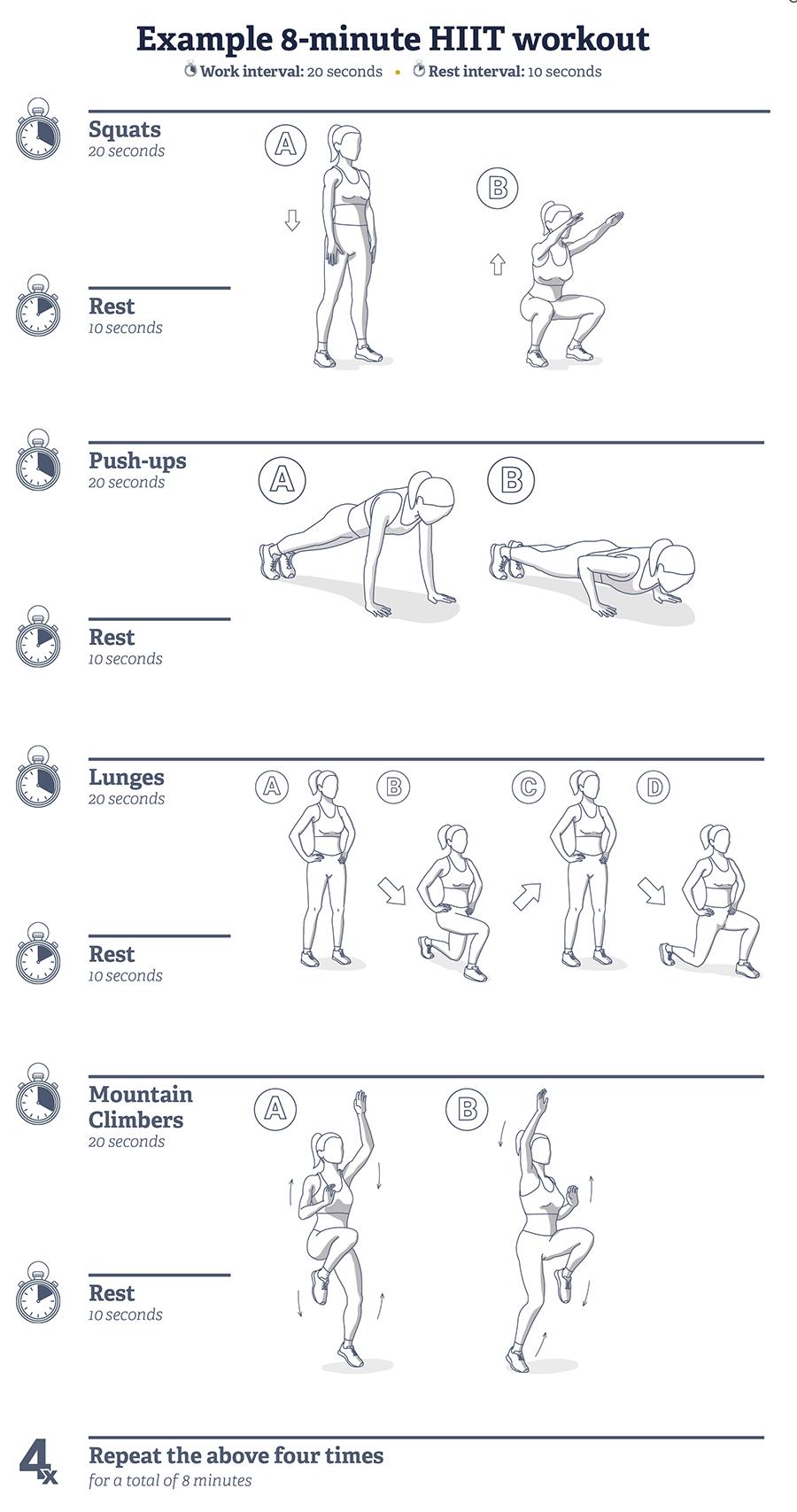
Designing an effective high-intensity interval training (HIIT) routine requires a blend of structured effort and variety to keep workouts engaging and challenging. Begin by selecting your preferred exercises that can elevate your heart rate rapidly. These can include sprints, burpees, jump squats, or even cycling sprints. Aim for an approach that incorporates a mix of strength and cardiovascular movements, allowing for a total body workout that maximizes calorie burn and efficiency. Here’s a simple framework to consider:
- Warm-up: 5 minutes of dynamic stretches and light cardio.
- Work Interval: 20-30 seconds of maximum effort followed by 10-15 seconds of rest.
- Repeat: 6-10 cycles, depending on your fitness level.
- Cool down: 5 minutes of stretching and deep breathing.
To track your progress and ensure variety, consider implementing a rotating schedule where you alternate exercises each session. This method can prevent plateaus and stave off boredom while keeping your body guessing. A sample week could look like this:
| Day | Workout Focus |
|---|---|
| Monday | Cardio Intervals (Running) |
| Wednesday | Strength Training (Bodyweight Exercises) |
| Friday | Cardio + Core (Cycling + Planks) |
By tailoring your HIIT routine with diverse exercises and a structured approach, you can enhance your fitness gains and maintain motivation throughout your journey. The key is to listen to your body, adjust the intensity, and enjoy the process of pushing your limits.
Fueling Your Body: Nutrition Tips for HIIT Success
To maximize your performance and recovery during high-intensity interval training (HIIT), fueling your body with the right nutrients is critical. Pay attention to your macronutrient balance, focusing on a combination of carbohydrates, proteins, and fats. This ensures that you have quick energy available for intense workouts and adequate protein for muscle repair and growth. Include a variety of foods in your diet, such as:
- Whole grains: Brown rice, quinoa, and oats provide a sustained energy source.
- Lean proteins: Chicken, fish, beans, and lentils are essential for muscle recovery.
- Healthy fats: Avocados, nuts, and olive oil support overall health and hormonal balance.
Timing your meals can also significantly influence your HIIT outcomes. Aim to fuel up one to two hours before your session. A pre-workout snack rich in carbohydrates can provide the boost you need. Post-workout, prioritize recovery with a meal high in protein and carbs within 30 to 60 minutes to replenish glycogen stores and kickstart muscle repair. Here’s a quick snapshot of ideal meals:
| Meal Timing | Example Foods |
|---|---|
| Pre-Workout | Banana with nut butter, Greek yogurt with berries |
| Post-Workout | Grilled chicken with quinoa and vegetables, smoothie with protein powder |
Tracking Progress: Measuring Your Gains in High-Intensity Workouts
Tracking progress in high-intensity workouts is crucial for understanding your fitness journey and pinpointing the efficacy of your efforts. To stay motivated, utilize a combination of measurable metrics such as heart rate, workout duration, and caloric burn. These factors not only showcase your physical improvements but also help you tailor your training for even greater results. Consider maintaining a workout journal or employing fitness apps that can log your progress, allowing you to see tangible gains over time.
Additionally, incorporating structured assessments into your routine can provide insight into your improvements. For instance, you might test your performance through exercises like sprints or circuit training every few weeks. Tracking metrics such as reps completed, time taken, and rest intervals can reveal substantial changes in endurance and strength. Here’s a simple table to illustrate potential performance improvements over a four-week period:
| Week | Reps (Push-Ups) | Time (1-mile Run) | Rest Period (Seconds) |
|---|---|---|---|
| 1 | 15 | 9:30 | 60 |
| 2 | 20 | 9:00 | 55 |
| 3 | 25 | 8:30 | 50 |
| 4 | 30 | 8:00 | 45 |
To Conclude
High-Intensity Interval Training (HIIT) stands as a formidable ally in the quest for physical fitness, merging efficiency with effectiveness. By embracing the varied rhythms of intense bursts and vital recovery, individuals can unlock the gateway to improved cardiovascular health, enhanced strength, and even mental resilience. This dynamic training method, accessible to all fitness levels, beckons you to savor its transformative potential. As you consider your next workout, remember: it’s not just about the hours spent exercising but the quality and intensity of each moment. So, gear up and embark on your HIIT journey; the power within awaits your call. Unleash it!