


In a world where culinary trends flutter like autumn leaves, swept along by the winds of health and wellness, one diet stands out, tracing its roots deep into the annals of human history. The Paleo Diet invites us to step away from the processed and the synthetic, urging a return to the bounties that once nourished our ancestors. This modern exploration of ancient eating habits beckons not only the health-conscious but also those curious about the human connection to food through the ages. As we embark on this journey, we will uncover the principles of the Paleo lifestyle, its potential benefits, and the cultural implications of choosing to dine as our forebears did. From the pristine landscapes of prehistoric times to today’s bustling markets, join us as we navigate the terrain of a diet designed by nature, rediscovering the tastes that shaped our evolution and the rhythms of a past that continues to resonate in our plates today.
Table of Contents
- Understanding the Foundations of the Paleo Diet and Its Historical Context
- The Nutritional Benefits of Embracing a Paleo Lifestyle
- Practical Tips for Transitioning to a Modern Paleo Diet
- Delicious Recipes to Satisfy Your Cravings While Staying True to Paleo Principles
- In Summary
Understanding the Foundations of the Paleo Diet and Its Historical Context
To truly grasp the essence of the Paleo diet, it’s essential to delve into its historical underpinnings. This dietary approach is inspired by the presumed eating habits of our Paleolithic ancestors, who thrived through foraging and hunting rather than modern agriculture. The core idea is that our biology has not significantly changed since then, meaning the foods our ancestors consumed are more suited to our genetic makeup. Advocates of this diet argue that the shift to agricultural practices has introduced processed foods and grains that contribute to contemporary health issues, such as obesity and cardiovascular diseases.
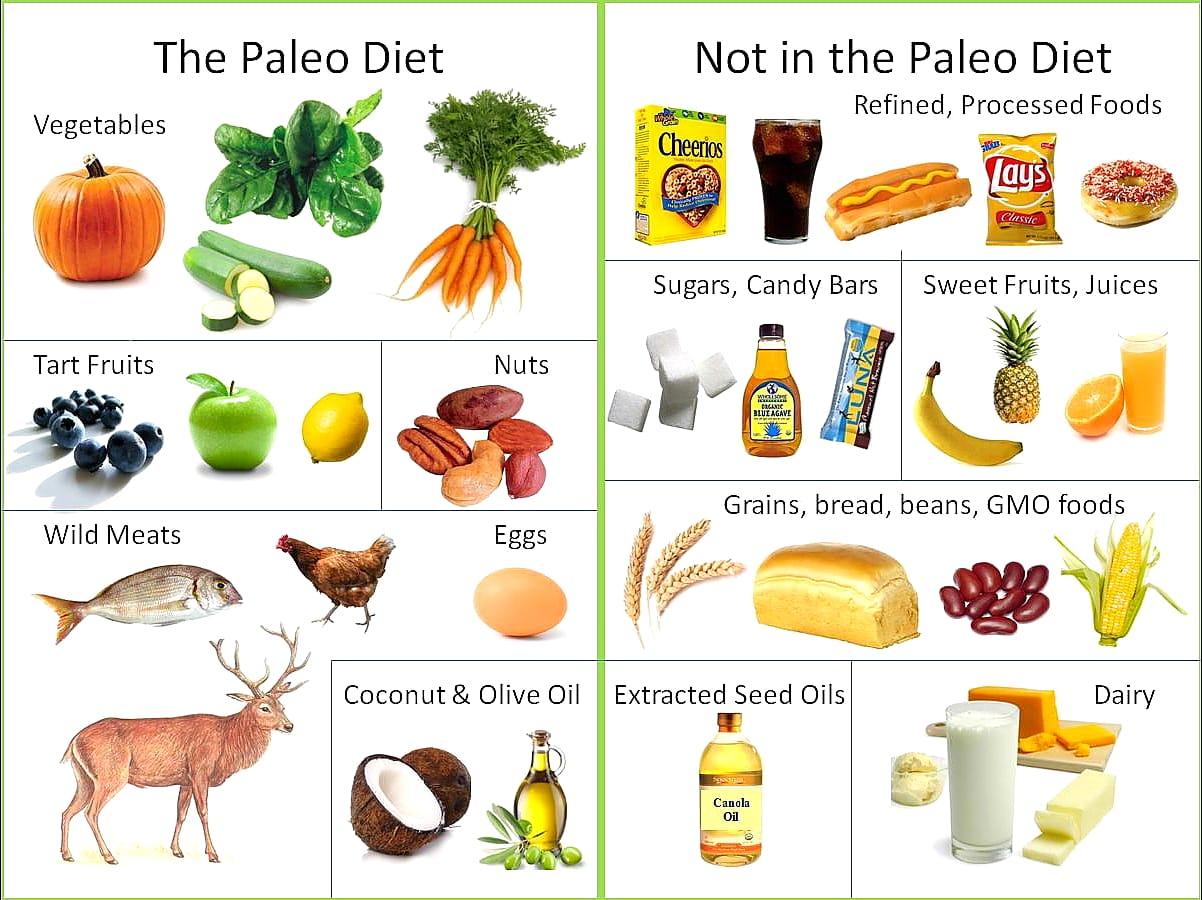
At its core, the Paleo lifestyle emphasizes the consumption of whole foods, which can be categorized into several key groups. These include:
- Meat and Fish: Grass-fed meats and wild-caught fish are staples.
- Fruits and Vegetables: Fresh, seasonal produce is encouraged.
- Nuts and Seeds: These provide essential fats and proteins.
- Healthy Fats: Such as olive oil, coconut oil, and avocado oil.
Understanding these foundational elements can help clarify the rationale behind many of the guidelines of the diet. Below is a simplified overview comparing modern dietary staples with those embraced by our ancestors:
| Modern Diet | Paleo Diet |
|---|---|
| Processed Sugars | Natural Sweeteners (honey, fruits) |
| Grains (bread, pasta) | No Grains, focus on tubers and roots |
| Dairy Products | No Dairy, some advocate for fermented options |
The Nutritional Benefits of Embracing a Paleo Lifestyle
Embracing a Paleo lifestyle means prioritizing whole, nutrient-dense foods that align closely with what our ancestors consumed. This approach can lead to significant health improvements, as it eliminates processed foods, refined sugars, and artificial additives. Instead, focus on incorporating a variety of lean meats, fish, fruits, and vegetables. These foods are rich in essential vitamins, minerals, and antioxidants, contributing to better overall health. Furthermore, the Paleo diet tends to be higher in fiber and protein, which can promote satiety and support weight management.
Additionally, the Paleo approach encourages the consumption of healthy fats, such as those found in nuts, seeds, and avocado. These fats not only provide a source of sustained energy but also support the absorption of fat-soluble vitamins. Notably, many who transition to this dietary pattern report increased energy levels and reduced inflammation. Here’s a quick comparison of common food categories in a Paleo diet:
| Food Category | Paleo Approved | Not Allowed |
|---|---|---|
| Proteins | Grass-fed beef, wild-caught fish | Processed meats |
| Fruits & Vegetables | Seasonal fruits, leafy greens | Canned vegetables, processed juices |
| Fats | Coconut oil, olive oil | Vegetable oils, margarine |
Practical Tips for Transitioning to a Modern Paleo Diet
Embracing a modern Paleo diet can be an exciting journey towards nourishing your body with whole, unprocessed foods. To make this transition smoother, start by clearing your pantry of grains, refined sugars, and processed snacks. Stock up on plenty of fresh fruits, vegetables, and high-quality proteins such as grass-fed meats and wild-caught fish. Keep in mind the importance of good fats: incorporate avocados, nuts, and olive oil. Planning your meals can help greatly; consider preparing a weekly menu and shopping list to minimize impulsive purchases. Here are some essential practices to ensure success:
- Always read labels: Look for hidden sugars and preservatives.
- Experiment with recipes: Try different Paleo-friendly recipes to keep meals exciting.
- Batch cooking: Prepare meals in advance to save time during busy weeks.
- Join a community: Connect with others on the same path for support and ideas.
As you adapt to these dietary changes, keep a close watch on how your body responds. It’s helpful to log your meals and any physical or emotional changes you experience. This reflection can be eye-opening and assist you in refining your diet further. Consider incorporating a balance of foods from each category to prevent nutrient deficiencies and to harness the full benefits of a Paleo lifestyle. For a clearer view of how to create balanced meals, refer to the table below:
| Food Group | Examples |
|---|---|
| Proteins | Grass-fed beef, chicken, eggs, fish |
| Fruits | Berries, apples, bananas, citrus |
| Vegetables | Leafy greens, carrots, peppers, zucchini |
| Fats | Avocado, coconut oil, nuts, olives |
Delicious Recipes to Satisfy Your Cravings While Staying True to Paleo Principles
Let your taste buds revel in the simplicity and natural goodness of Paleo cuisine. Start your culinary adventure with a savory zucchini noodle stir-fry, which replaces traditional pasta with spiralized zucchini, paired with a medley of vibrant bell peppers and succulent shrimp. Sprinting your way through the process, heat a bit of coconut oil in a skillet, toss in your favorite vegetables, and finish with a splash of coconut aminos for a subtly sweet umami flavor. This dish is not only quick to prepare but also highlights the fresh and wholesome ingredients at the core of the Paleo lifestyle.
For those with a sweet tooth, cacao avocado mousse provides a rich and satisfying dessert that aligns perfectly with Paleo guidelines. Start with ripe avocados, which lend a creamy texture, blend them with unsweetened cacao powder, a dash of vanilla extract, and a natural sweetener like raw honey or maple syrup. Serve chilled, garnished with fresh berries for an elegant finish. This luscious dessert is a perfect example of how you can indulge your cravings without compromising on health or flavor, proving that ancient eating can cater to modern tastes.
In Summary
As we conclude our journey through the Paleo Diet, it’s clear that this ancient eating philosophy offers more than just a return to the past; it invites us to reflect on our relationship with food in a modern world. While the allure of caveman cuisine may tempt some with promises of simplicity and health, it’s important to approach any dietary shift with introspection and balance. Whether you choose to fully embrace the Paleo lifestyle or merely incorporate some of its principles into your daily routine, the essence remains the same: understanding the origins of our food can deepen our appreciation for what nourishes us.
In this digital age, where convenience often trumps quality, exploring the Paleo Diet serves as a reminder to reconnect with wholesome ingredients, mindful eating, and the rhythms of nature. So, as you step back into your kitchen or your local market, consider how the choices you make today can echo the desires of our ancestors, crafting a path that honors both our heritage and our health. The quest for a fulfilling diet is not just about what we eat, but also about the stories we weave into every meal—stories of tradition, exploration, and, ultimately, well-being. Happy eating!