


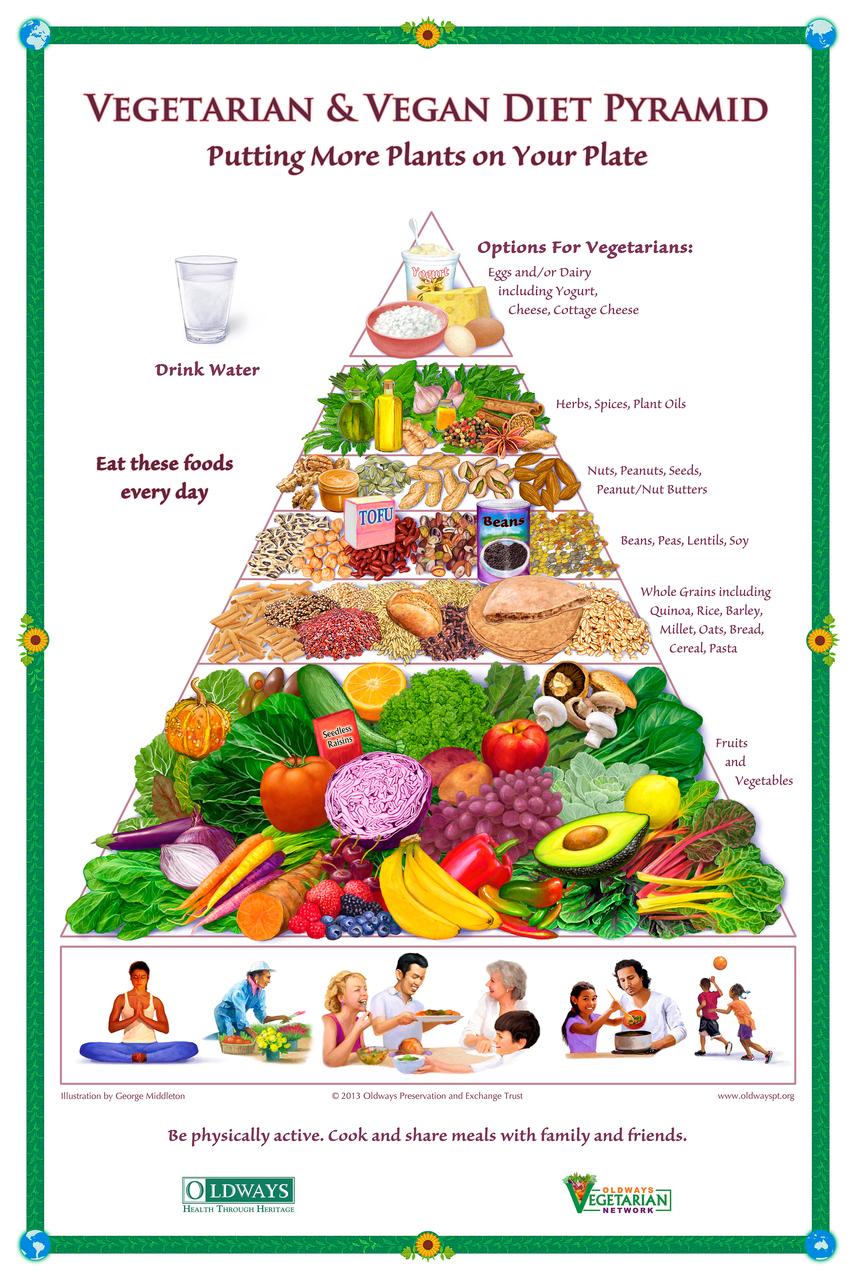
In a world increasingly attuned to sustainability and health, the vegan diet has emerged as a vibrant tapestry woven from ethical choices, environmental considerations, and nutritional awareness. As curiosity about plant-based living flourishes, so too does the need to understand the intricate benefits and challenges that accompany this lifestyle. From the lush fields of leafy greens to the tantalizing aromas of spices and grains, the vegan diet invites exploration, showcasing not only its culinary delights but also its profound impact on personal well-being and the planet. In this article, we embark on a journey through the essential aspects of veganism—unpacking its myriad advantages, navigating the complexities it presents, and celebrating the diverse flavors that await those ready to embrace a greener way of eating. Join us as we delve into the world of plant-based cuisine, striking a balance between enlightenment and enjoyment, and discover what it truly means to live a vegan life.
Table of Contents
- The Nutritional Powerhouse of Plant-Based Eating
- Navigating Common Challenges on the Vegan Journey
- Culinary Adventures: Discovering the Joys of Vegan Cuisine
- Strategies for Sustaining a Balanced Vegan Lifestyle
- Insights and Conclusions
The Nutritional Powerhouse of Plant-Based Eating
Embracing a plant-based diet is like unlocking a treasure chest of nutritional benefits that can profoundly enhance overall health and well-being. At the core of this vibrant lifestyle lies an abundance of essential nutrients that support not just physical fitness, but also mental clarity and emotional balance. From leafy greens to colorful fruits, the variety available in a vegan diet ensures that your body receives a wide range of vitamins and minerals, such as:
- Vitamin A from carrots and sweet potatoes, essential for eye health.
- Iron from legumes and quinoa, crucial for energy levels.
- Calcium from broccoli and fortified plant milks, important for bone health.
- Omega-3 fatty acids from chia seeds and walnuts, beneficial for heart health.
Moreover, a plant-based diet is often rich in dietary fiber, which is vital for digestion and helps maintain a healthy weight. When you choose whole, unprocessed foods, you’re not just nourishing your body; you’re also stepping into a realm of phytochemicals that provide powerful antioxidant effects. Consider the following nutrient density comparison of common foods:
| Food Item | Nutritional Benefits |
|---|---|
| Spinach | Rich in vitamins K, A, and C; high in iron. |
| Quinoa | Complete protein with all nine amino acids; gluten-free. |
| Chickpeas | High in protein and fiber; great for heart health. |
| Berries | Loaded with antioxidants; supports brain function. |
Navigating Common Challenges on the Vegan Journey
Embarking on a vegan journey can be both exciting and daunting, as individuals often grapple with a range of challenges that can impede their progress. One of the most common hurdles is navigating social situations, where food choices could lead to uncomfortable conversations or limited options. To ease these moments, it’s helpful to:
- Communicate your needs: Be open with friends and family about your dietary choices.
- Plan ahead: Research menus at restaurants beforehand or bring your own dishes to gatherings.
- Educate others: Share the reasons for your lifestyle change to foster understanding.
Another significant challenge is ensuring balanced nutrition. Vegans must be mindful to include a variety of foods to meet their dietary needs. Many may struggle with getting enough protein, iron, and Vitamin B12. Here’s a quick table of vegan-friendly sources for these essential nutrients:
| Nutrient | Plant-Based Sources |
|---|---|
| Protein | Legumes, Quinoa, Tofu |
| Iron | Lentils, Spinach, Pumpkin seeds |
| Vitamin B12 | Fortified plant milks, Nutritional yeast |
By understanding these challenges and preparing in advance, individuals can enjoy a fulfilling vegan lifestyle without feeling overwhelmed.
Culinary Adventures: Discovering the Joys of Vegan Cuisine
Embarking on a culinary adventure in the realm of vegan cuisine unveils a world rich in flavors, textures, and colors. By embracing plant-based ingredients, one can explore creative cooking techniques that transform simple vegetables, legumes, and grains into delicious masterpieces. Experimenting with spices and herbs adds depth to the dishes, allowing chefs to craft meals that tantalize the taste buds while nourishing the body. Not only does this approach promote a healthy lifestyle, but it also encourages an appreciation for seasonal produce and sustainable food practices. Consider incorporating the following plant-based staples into your cooking repertoire:
- Quinoa and brown rice for hearty bases
- A wide variety of legumes, such as chickpeas and lentils, for protein
- A rainbow of fresh vegetables to enhance visual appeal
- Nuts and seeds for added texture and nutrient density
As you navigate the vibrant landscape of vegan ingredients, the potential for delightful discoveries is limitless. From zucchini noodles that mimic the texture of pasta to cashew-based cheeses that offer a creamy alternative, the options are both inventive and satisfying. Engaging in vegan cuisine not only benefits health but can also create a sense of community as people gather to share recipes and experiences. Below is a table highlighting some popular vegan dishes and their enticing characteristics:
| Dish | Main Ingredients | Key Feature |
|---|---|---|
| Chickpea Curry | Chickpeas, coconut milk, spices | Rich and creamy |
| Stuffed Bell Peppers | Bell peppers, quinoa, black beans | Colorful and filling |
| Vegan Tacos | Tempeh, avocado, fresh salsa | Fresh and zesty |
| Chocolate Avocado Mousse | Avocado, cocoa powder, maple syrup | Decadent and healthy |
Strategies for Sustaining a Balanced Vegan Lifestyle
Maintaining a vegan lifestyle can be both exciting and challenging, but with the right strategies, it can lead to a fulfilling and balanced journey. One effective approach is planning meals ahead of time, which helps ensure you meet your nutritional needs while exploring a variety of flavors. Consider incorporating high-protein plant sources like lentils, chickpeas, and quinoa into your meals. Additionally, having a collection of easy-to-make recipes on hand can inspire creativity and prevent monotony in your diet. Here are a few tips to sustain balance:
- Explore local produce: Frequent farmers’ markets to discover seasonal fruits and vegetables.
- Diverse proteins: Mix legumes, nuts, seeds, and whole grains to achieve a complete amino acid profile.
- Supplements: Consider B12, Omega-3s, and Vitamin D to support your health.
Another vital aspect is building a supportive community. Seek out local vegan meet-ups or online forums where experiences can be shared, recipes exchanged, and encouragement given. Educating yourself on the nutritional aspects of a vegan diet can also empower you to make informed decisions. Perhaps, review your meals periodically and keep a food diary to track and adapt your nutrient intake. Below is a simplified table to help you visualize some essential nutrients and their plant-based sources:
| Nutrient | Plant-Based Sources |
|---|---|
| Protein | Lentils, Chickpeas, Tofu |
| Iron | Spinach, Quinoa, Pumpkin Seeds |
| Calcium | Almonds, Broccoli, Fortified Plant Milks |
| Omega-3s | Flaxseeds, Chia Seeds, Walnuts |
Insights and Conclusions
As we conclude our journey through the vibrant landscape of the vegan diet, it’s clear that this lifestyle offers a multitude of benefits alongside its unique challenges. From the richness of plant-based culinary delights to the commitment it demands, embracing veganism can be a transformative experience. It invites us to rethink our relationship with food, health, and sustainability, encouraging us to make mindful choices that resonate with our values.
While the path may be strewn with obstacles—whether it’s navigating social situations or ensuring nutritional balance—the rewards are profound and far-reaching. Each meal becomes an opportunity to explore new flavors, experiment with ingredients, and discover the myriad benefits that come from a diet centered on plants.
Ultimately, the decision to adopt a vegan diet is a personal one, steeped in individual values and circumstances. Whether you’re drawn to the ethical implications, environmental concerns, or health benefits, every journey begins with a single step. If you choose to embark on this path, remember that the exploration itself is part of the adventure, filled with lessons and luxury alike. So, whether you’re considering veganism or have already embraced it, keep your heart and mind open to the delightful discoveries that await you in the world of plant-based living.