


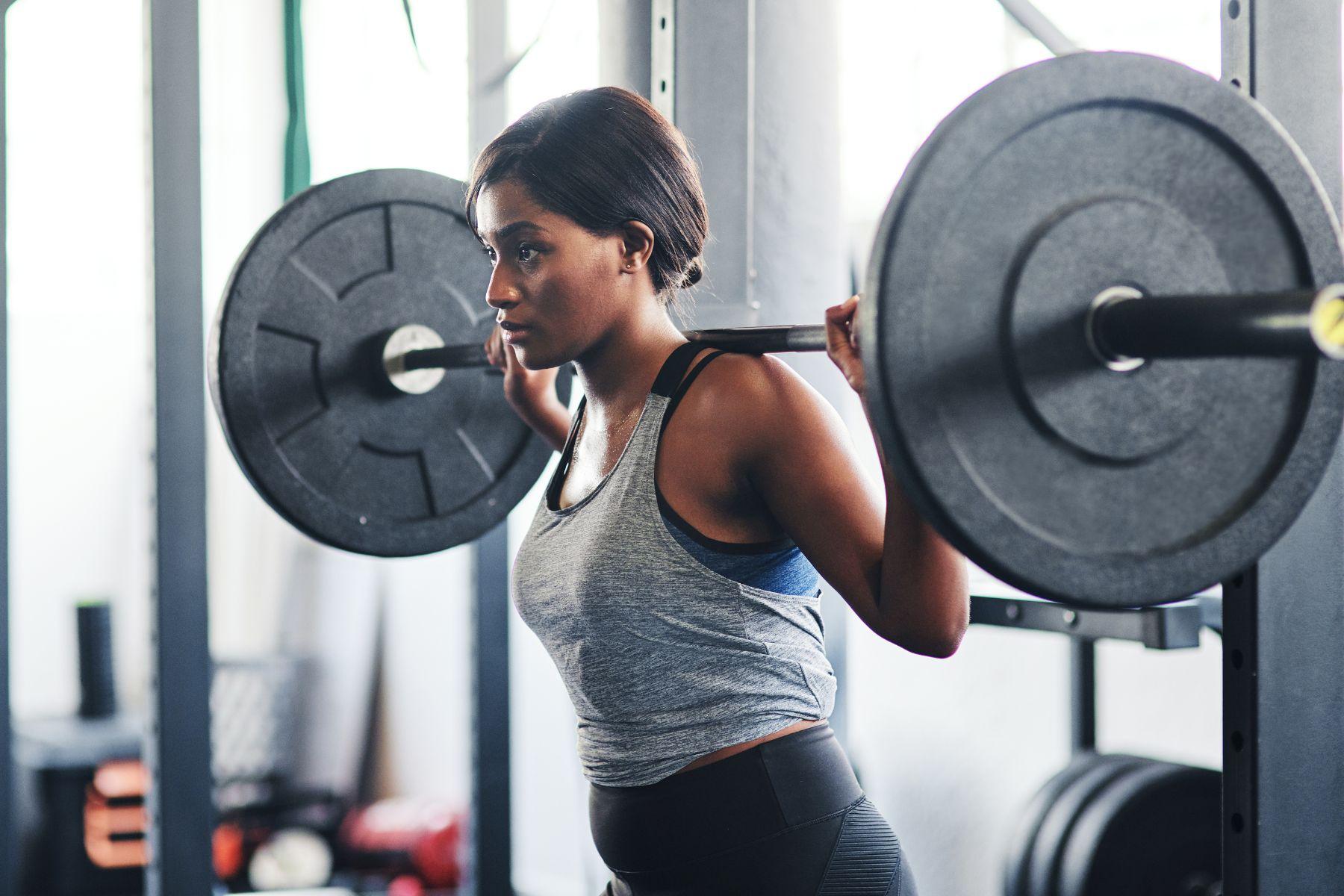
In a world where fitness trends come and go like the seasons, one training tool has stood the test of time, consistently proving its worth in the pursuit of strength and conditioning: the barbell. Whether you’re a seasoned athlete or a curious beginner, the barbell offers a uniquely versatile platform for growth, challenge, and transformation. With its simple yet effective design, it has become a staple in gyms around the globe, beckoning lifters to explore their limits and redefine their capabilities. But what is it about this seemingly unassuming piece of equipment that unlocks physical potential and fosters a deep connection between mind and body? In this exploration, we will delve into the history, mechanics, and myriad benefits of barbell training, illuminating the profound impact it can have on your fitness journey. Join us as we unravel the secrets of strength and discover how a barbell can be your key to unlocking new levels of performance.
Table of Contents
- The Science Behind Barbell Training and Muscle Activation
- Choosing the Right Barbell: Types, Weights, and Grip Techniques
- Integrating Barbell Exercises into Your Routine for Maximum Gains
- Building a Balanced Workout: Combining Barbells with Other Training Tools
- Wrapping Up
The Science Behind Barbell Training and Muscle Activation
Barbell training harnesses the principles of resistance, engaging multiple muscle groups and promoting dynamic stability. This form of training encourages the activation of both primary and secondary muscles, leading to improved strength and functional movement patterns. By involving larger muscle groups such as the quadriceps, hamstrings, and glutes, along with stabilizing muscles like the core, barbell exercises provide a comprehensive workout that enhances overall muscle coordination and balance. The technique of progressively overloading muscles with heavier weights encourages adaptations in muscle fibers, thus fostering growth in both size and strength.
Research indicates that exercises involving barbells significantly stimulate the neuromuscular system, allowing for optimized muscle recruitment during high-intensity lifts. The barbell’s design enables users to perform a variety of compound movements such as squats, deadlifts, and bench presses, which are crucial for stimulating hyperplasia and hypertrophy. The table below highlights key benefits of barbell training and the muscles primarily activated during each exercise:
| Exercise | Primary Muscle Groups | Benefits |
|---|---|---|
| Squats | Quadriceps, Glutes | Strengthens lower body and improves core stability |
| Deadlifts | Hamstrings, Back | Enhances posterior chain strength and posture |
| Bench Press | Chest, Shoulders | Builds upper body strength and muscle mass |
Choosing the Right Barbell: Types, Weights, and Grip Techniques
When it comes to strength training, selecting the perfect barbell can make all the difference. Olympic barbells, weighing 44 lbs (20 kg), are ideal for serious lifters, providing a standardized size and load capacity suitable for a variety of lifts. On the other hand, standard barbells, usually around 30 lbs (14 kg), are great for beginners looking to build their foundation. Considerations such as lifting goals and space availability at your gym will also influence your decision. For those aiming to focus on hypertrophy or dynamic movements, a multi-grip or EZ curl bar might be beneficial, allowing for different hand placements that can mitigate stress on the wrists while targeting specific muscle groups effectively.
Weight selection is equally important—most barbells can accommodate various plates, but understanding how to combine them efficiently can enhance your workouts. A simple table can help you visualize this:
| Weight Plate | Weight (lbs) | Common Use |
|---|---|---|
| Standard Plates | 2.5, 5, 10, 25 | Beginner Workouts |
| Olympic Plates | 10, 25, 35, 45 | Powerlifting Competitions |
| Fractional Plates | 0.5, 1, 2 lbs | Precision Increments |
Additionally, grip techniques can significantly impact your performance and safety. Maintaining a neutral grip (palms facing each other) can often reduce strain on your wrists, making it excellent for exercises like bench presses. Alternatively, a supinated grip (palms facing up) can enhance bicep engagement during curls and row movements. Experimenting with different grips will not only help you discover what feels most comfortable but also contribute to a more engaging, well-rounded workout. Remember, the key to maximizing your strength training lies in understanding how the type of barbell, weight, and grip can work together to enhance each lift.
Integrating Barbell Exercises into Your Routine for Maximum Gains
Incorporating barbell exercises into your workout routine can elevate your training to new heights. These versatile tools foster compound movements that engage multiple muscle groups simultaneously, leading to superior strength and muscle gains. Consider integrating the following barbell exercises into your routine:
- Barbell Squats: A fundamental movement that builds lower body strength and core stability.
- Deadlifts: Targeting the posterior chain, deadlifts enhance not only strength but also functional fitness.
- Barbell Bench Press: An excellent exercise for developing upper body power and muscle mass.
- Overhead Press: Focused on shoulder strength, this exercise promotes core engagement and stability.
To maximize your gains, structure your workout around these key lifts, using a combination of heavy and lighter loads. Implement periodization strategies that allow for both strength and hypertrophy phases. For example, you can follow a split road map like this:
| Day | Focus | Exercises |
|---|---|---|
| Monday | Legs | Barbell Squats, Deadlifts |
| Wednesday | Upper Body | Barbell Bench Press, Overhead Press |
| Friday | Full Body | Combination of Core Exercises |
Building a Balanced Workout: Combining Barbells with Other Training Tools
Integrating barbells into a comprehensive workout routine allows athletes to harness their full potential. To maximize strength gains and enhance overall fitness, blending barbells with various training tools is essential. Consider incorporating the following elements into your training regimen:
- Dumbbells for unilateral training, helping to address muscle imbalances.
- Kettlebells for dynamic movements that improve coordination and stability.
Balancing traditional barbell exercises with alternative tools can elevate your workouts to new heights. Creating a holistic approach also encourages recovery and injury prevention, while keeping your routine exciting. Here’s a simple comparison table to illustrate how different tools can complement barbell training:
| Training Tool | Key Benefits |
|---|---|
| Barbells | Builds overall strength and muscle mass. |
| Dumbbells | Improves stability and range of motion. |
| Kettlebells | Enhances power and endurance through dynamic movements. |
| Resistance Bands | Offers variable resistance and promotes mobility. |
Wrapping Up
As we wrap up our exploration of the barbell’s transformative power in training, it’s clear that this simple piece of equipment holds the key to unlocking strength that resonates far beyond the gym. Whether you’re a seasoned athlete or just embarking on your fitness journey, the versatility and effectiveness of barbells can elevate your training regimen, helping you harness physical prowess while fostering a connection to your own potential.
the true strength lies not merely in the weight you lift but in your commitment to growth, resilience, and improvement. So, as you step into your next workout, remember that each rep, each set, and each challenge conquered is a step toward not just building muscle, but building character. Embrace the journey, explore the possibilities, and let the barbell become a tool for not only physical transformation but also personal empowerment. Your strength awaits—go unlock it!