


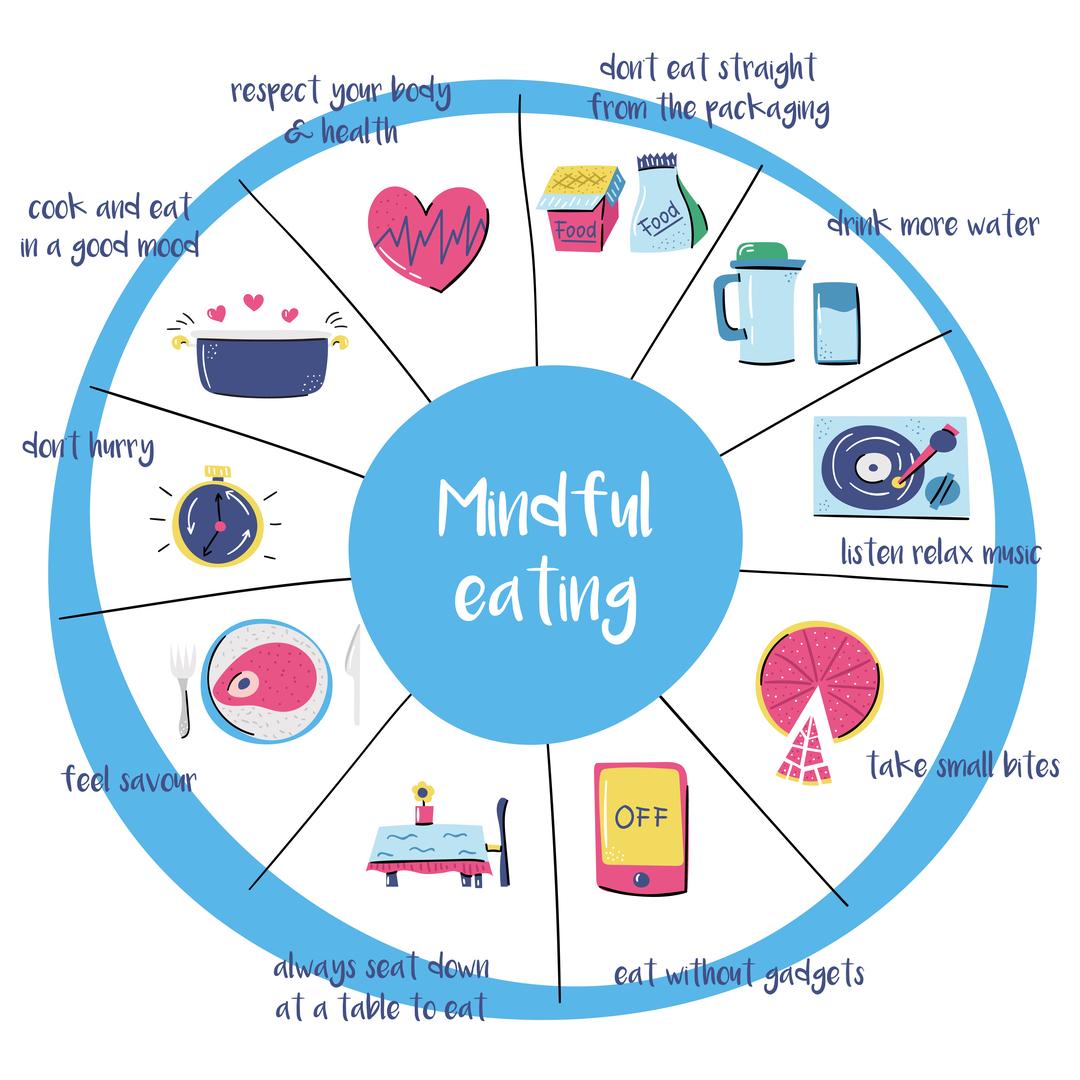
In a world brimming with quick fixes and ever-evolving diet trends, the journey to weight loss can often feel overwhelming, not to mention fleeting. Enter the transformative practice of mindful eating, a nuanced approach that invites us to slow down and truly engage with our food. “” unfolds the concept that achieving lasting weight loss is not merely about what we eat, but how we eat. This article delves into the art of mindfulness, encouraging readers to cultivate a deeper awareness of their eating habits and to embrace the flavors, textures, and experiences of food. By fostering a more intentional relationship with our meals, we can not only shed pounds but also enrich our lives, one bite at a time. Join us as we explore the myriad benefits of mindful eating, where every morsel becomes an opportunity for reflection, and every meal transforms into a moment of gratitude.
Table of Contents
- Understanding Mindful Eating and Its Impact on Weight Loss
- Cultivating Awareness: Techniques to Enhance Your Eating Experience
- Navigating Cravings: Mindful Strategies for Healthier Choices
- Creating a Supportive Environment for Lasting Change
- To Conclude
Understanding Mindful Eating and Its Impact on Weight Loss
Mindful eating is a transformative practice that encourages individuals to engage fully with their food, fostering a deeper connection to the eating experience. This approach emphasizes awareness of hunger cues, the taste and texture of food, and the emotional responses surrounding meals. By savoring each bite, individuals can achieve greater satisfaction and, in turn, may find themselves naturally regulating portion sizes. Some key benefits of mindful eating include:
- Enhanced Awareness: Recognizing true hunger and satiety signals.
- Reduced Emotional Eating: Learning to differentiate between physical hunger and emotional cravings.
- Improved Digestion: Eating slowly allows for better digestion as well as a more enjoyable experience.
Research indicates that individuals who practice mindful eating are more likely to cultivate healthier relationships with food, often leading to sustainable weight loss. When one is fully present during meals, they can appreciate the flavors and aromas that accompany each bite. This attention helps minimize mindless snacking and overeating, which are common barriers to weight loss success. The following table illustrates the contrast between traditional eating habits and mindful eating practices:
| Traditional Eating Habits | Mindful Eating Practices |
|---|---|
| Eating while distracted (TV, phone, etc.) | Focusing solely on the meal without distractions |
| Rushing through meals | Savoring each bite, taking time to enjoy |
| Ignoring hunger signals | Listening to body cues to guide eating |
Cultivating Awareness: Techniques to Enhance Your Eating Experience
To truly enhance your eating experience, one must first embrace the world of mindfulness. Mindful eating encourages you to connect with your food, elevating the act of eating from a mundane task to a sensory exploration. Begin by turning off distractions; put away your phone or the TV and create a serene dining environment. Focus on the colors, textures, and aromas of your meal. This approach can transform your relationship with food, allowing you to appreciate each bite fully, thereby reducing overeating and fostering a sense of satisfaction.
Incorporating a few simple techniques can significantly deepen your awareness while eating. Consider these practices:
- Slow down: Chew each bite thoroughly and take time between bites to engage with the flavors.
- Listen to your body: Pay attention to hunger and fullness cues, allowing your body to guide your eating decisions.
- Express gratitude: Acknowledge the ingredients and processes that brought your meal to your table, creating a deeper appreciation.
This intentional focus not only enhances your enjoyment but can lead to healthier choices and better emotional well-being.
| Technique | Benefit |
|---|---|
| Mindful Preparation | Builds a connection with food |
| Engaging Senses | Increases enjoyment and satisfaction |
| Reflective Eating | Promotes healthier choices |
Navigating Cravings: Mindful Strategies for Healthier Choices
Cravings can often feel overwhelming, but with mindful strategies, you can navigate them effectively and make healthier choices. Start by recognizing your triggers; whether they’re emotional, environmental, or physiological, identifying these can empower you to respond rather than react. When a craving hits, take a moment to pause and practice deep breathing. This serves to create a gap between impulse and action, allowing you to assess whether your body genuinely needs nourishment or if you’re simply responding to a habit. Additionally, consider engaging in activities that divert your focus, such as a short walk or a hobby, as these can disrupt the cycle of craving.
Incorporating mindful eating practices can aid in amplifying your food choices. Before diving into a snack, try the 5-3-1 rule: take five deep breaths, assess three things you’re grateful for, and focus on one healthy snack that excites you. This method not only heightens awareness of your cravings but also promotes a more positive mindset towards food. Emphasizing quality over quantity is paramount; savor each bite and appreciate the flavors and textures. You might find that small plates can help with portion control, making your choices feel less restrictive and more enjoyable. Here’s a simple comparison table to illustrate healthier alternatives:
| Traditional Snack | Healthier Alternative |
|---|---|
| Potato Chips | Air-Popped Popcorn |
| Soda | Infused Water |
| Chocolate Bar | Dark Chocolate Squares |
| Ice Cream | Greek Yogurt with Berries |
Creating a Supportive Environment for Lasting Change
Incorporating mindful eating into your daily routine requires a nurturing environment that fosters growth and understanding. Creating such an atmosphere begins with the decision to surround yourself with positivity and encouragement. Here are some steps to consider:
- Limit distractions: Establish meal times as sacred, turning off screens and setting aside work to focus solely on your food.
- Involve others: Share your journey with friends and family who support your goals, creating a collective mindset focused on health.
- Celebrate small victories: Acknowledge and reward your progress, no matter how minor, to reinforce positive behaviors.
Furthermore, consider organizing your kitchen and dining space to reinforce your mindful eating practice. Setting up an inviting area can make a significant difference, as a well-structured space fosters intentionality. Implement the following strategies:
| Strategy | Description |
|---|---|
| Create a meal prep station | Designate a specific area for preparing healthy meals to streamline the process. |
| Utilize beautiful dishware | Use appealing plates and utensils to enhance your eating experience. |
| Incorporate natural elements | Add plants or flowers to your dining area for a calming, inviting atmosphere. |
To Conclude
As we conclude our exploration of “,” we invite you to reflect on the journey of transformation that begins with your relationship to food. By embracing mindfulness, you unlock the potential to nourish not only your body but also your soul. Each meal becomes an opportunity to connect with your senses, appreciate the flavors, and listen to your body’s cues, allowing for a holistic approach to weight loss that transcends restrictive diets and quick fixes.
Change is not merely a destination; it is a continuous process, and with mindful eating, you equip yourself with the tools to navigate this path with grace and intention. As you step into this new mindset, remember that every bite is a step toward a healthier, more balanced life. So, savor the journey, celebrate the small victories, and let each mindful moment guide you toward lasting change. After all, weight loss is not just about shedding pounds; it’s about cultivating a deeper appreciation for your body and the nourishment it craves. Embrace the evolution, one mindful meal at a time.