


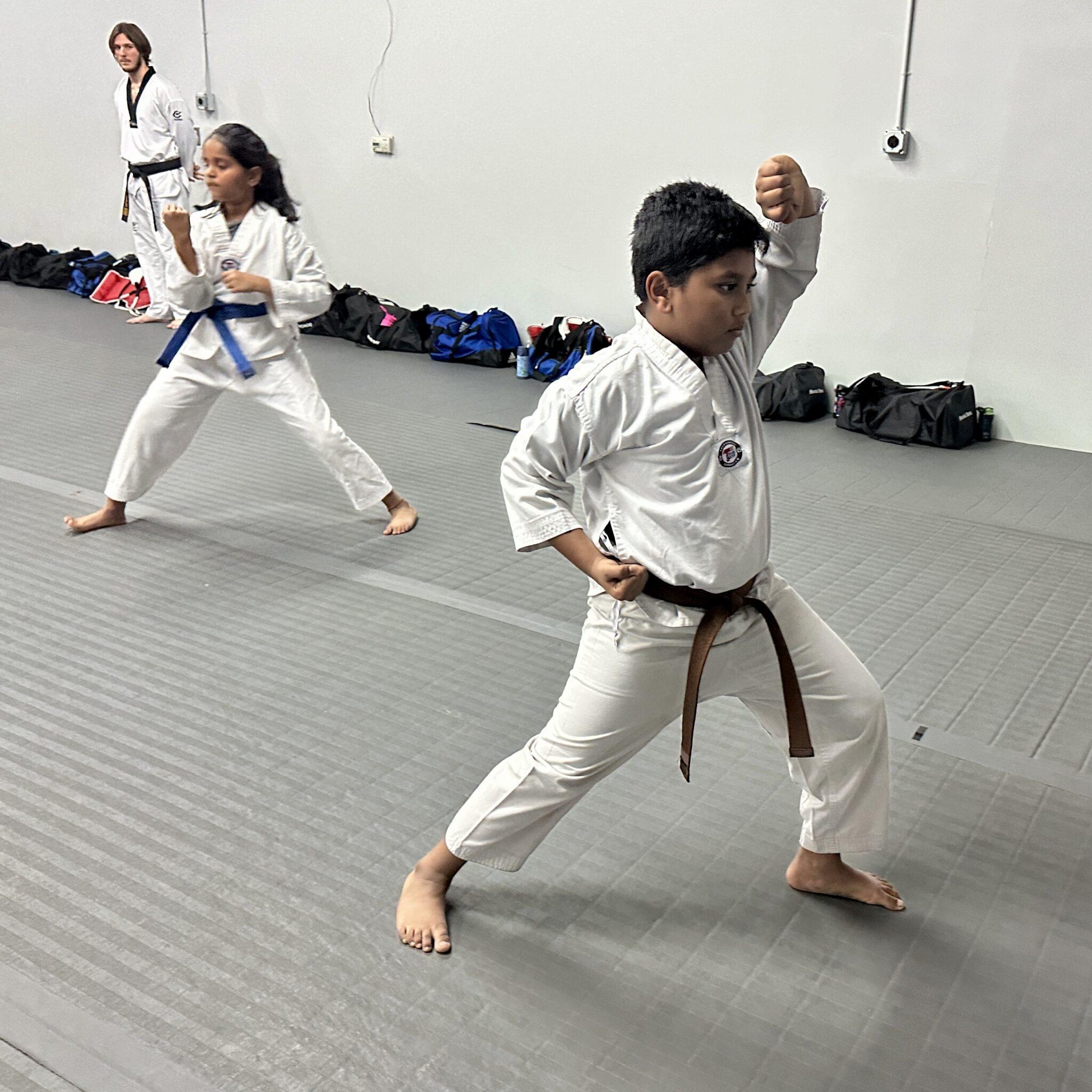
Tae Kwon Do, a dynamic martial art that originated in Korea, is renowned not only for its effective self-defense techniques but also for its numerous physical and mental health benefits. In recent years, Tae Kwon Do workouts have gained popularity as a comprehensive fitness regimen, appealing to individuals across various age groups and fitness levels. This article aims to explore the multifaceted benefits of incorporating Tae Kwon Do into a workout routine, including improvements in cardiovascular health, flexibility, strength, and mental discipline. Additionally, we will examine various techniques and training methods utilized in Tae Kwon Do, highlighting how they contribute to overall wellness and fitness. By understanding the advantages and approaches of Tae Kwon Do workouts, individuals can make informed decisions about integrating this martial art into their fitness journeys.
Table of Contents
- Understanding the Physical Benefits of Tae Kwon Do Workouts
- Mental Wellness and Stress Relief through Tae Kwon Do Practice
- Essential Techniques for Improving Flexibility and Strength
- Incorporating Tae Kwon Do into a Balanced Fitness Routine
- Wrapping Up
Understanding the Physical Benefits of Tae Kwon Do Workouts
Tae Kwon Do workouts are not just about mastering the art of self-defense; they come with a multitude of physical benefits that contribute to overall health and wellness. Engaging in these high-energy sessions helps to significantly improve cardiovascular fitness through intense activities that elevate the heart rate. This increased endurance allows practitioners to sustain their energy during workouts and everyday activities. Moreover, consistent training in Tae Kwon Do enhances muscle strength and flexibility, as students are encouraged to perform a variety of movements, such as high kicks and powerful strikes. These exercises not only tone the muscles but also promote a greater range of motion in the joints.
Additionally, practitioners experience improved coordination and balance as they learn to execute techniques with precision. Each training session demands focus and agility, which sharpens reflexes and enhances motor skills. The disciplined nature of Tae Kwon Do also contributes to better posture and alignment, reducing the risk of injuries in daily life. To illustrate the key physical benefits, consider the following overview:
| Benefit | Description |
|---|---|
| Cardiovascular Fitness | Enhances heart health and stamina. |
| Muscle Strength | Improves overall muscle tone and strength. |
| Flexibility | Increases joint flexibility and range of motion. |
| Coordination | Boosts balance and motor skills. |
| Posture | Encourages better alignment and reduces injury risk. |
Mental Wellness and Stress Relief through Tae Kwon Do Practice
Mental wellness and stress relief are essential components of a balanced life, and practicing Tae Kwon Do can be a transformative experience in this regard. Through the combination of physical exertion, structured movements, and focused breathing, this martial art promotes a meditative state that helps to ease the mind. Participants often find that the rigorous training serves as a powerful outlet for stress and anxiety, allowing them to channel negative energy into productive physical movement. The sense of accomplishment gained from mastering techniques further enhances self-esteem, fostering an overall sense of mental well-being.
Additionally, the community aspect of Tae Kwon Do practice plays a significant role in mental health. The camaraderie formed with fellow practitioners provides a support system that can alleviate feelings of isolation and loneliness. Engaging in group classes or seminars encourages social interaction, making individuals feel valued and connected. Key benefits include:
- Mindfulness: Practicing forms and techniques requires concentration, helping to center thoughts.
- Emotional Resilience: Learning to face challenges on the mat builds mental toughness.
- Endorphin Release: Physical activity triggers the release of feel-good hormones.
Essential Techniques for Improving Flexibility and Strength
To build a solid foundation for both flexibility and strength, incorporating a variety of techniques into your training routine is essential. Dynamic stretching should be your go-to before any workout, as it helps increase blood flow to the muscles and prepares your body for intense movement. Some effective dynamic stretches include:
- Leg swings
- Arm circles
- Hip openers
- Walking lunges
For developing strength, compound movements play a crucial role. Techniques like squats, push-ups, and planks engage multiple muscles at once, promoting overall body strength. Alongside these exercises, consider integrating isometric holds, which help enhance control and resilience. An example regimen might look like this:
| Exercise | Duration |
|---|---|
| Squat Hold | 30 seconds |
| Push-Up Hold | 20 seconds |
| Plank | 45 seconds |
Incorporating Tae Kwon Do into a Balanced Fitness Routine
Incorporating Tae Kwon Do into your fitness regimen can provide a dynamic and engaging way to achieve overall wellness. This martial art focuses not only on self-defense techniques but also on improving flexibility, strength, and cardiovascular endurance. By blending traditional Tae Kwon Do training with other fitness activities, practitioners can create a balanced routine that maximizes benefits while maintaining interest. Here are some effective ways to integrate Tae Kwon Do into your daily workouts:
- Complement with Strength Training: Incorporate bodyweight exercises like push-ups and squats to build strength relevant to Tae Kwon Do movements.
- Add Cardio: Engage in high-intensity interval training (HIIT) to boost stamina, which enhances performance in Tae Kwon Do sparring sessions.
- Include Flexibility Work: Prioritize yoga or dynamic stretching to improve the range of motion necessary for high kicks and jumps.
To effectively track your progress and ensure all aspects of fitness are covered, consider using a simple table to monitor your routine. This can help in finding the optimal balance between different exercise modalities:
| Day | Tae Kwon Do Focus | Complementary Exercise | Duration |
|---|---|---|---|
| Monday | Foundation Techniques | Strength Training | 1 Hour |
| Wednesday | Sparring Drills | Cardio (HIIT) | 45 Minutes |
| Friday | Pattern Rehearsal | Flexibility (Yoga) | 30 Minutes |
Wrapping Up
Tae Kwon Do workouts offer a diverse range of physical and mental benefits that can enhance overall well-being. From improving strength and flexibility to fostering discipline and self-confidence, the practice of this martial art serves as a holistic approach to fitness. The techniques involved, whether through forms, sparring, or traditional drills, not only provide a rigorous workout but also promote mindfulness and focus. As individuals consider incorporating Tae Kwon Do into their fitness routines, it is essential to recognize the importance of proper instruction and safety to maximize the positive outcomes of this practice. Ultimately, whether one seeks physical conditioning, stress relief, or personal growth, Tae Kwon Do presents a valuable avenue worth exploring.