


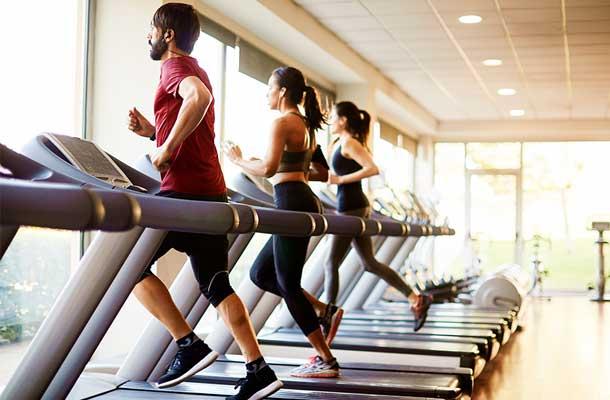
As the years pass and the seasons of life change, many of us find ourselves pondering the all-too-familiar questions of aging: How can we maintain vitality? How do we uphold our spirit and energy as we grow older? While the pursuit of eternal youth has long been a fascination in culture and society, the focus on embracing fitness emerges as a powerful, transformative approach to aging gracefully. In this exploration, we delve into the profound connection between physical well-being and the quality of our later years. Join us as we uncover the secrets to not only surviving but thriving through each stage of life, revealing how movement, strength, and mindfulness can be our greatest allies in the journey toward a vibrant, fulfilling existence.
Table of Contents
- The Science of Strength: How Resistance Training Transforms Aging Bodies
- Mindful Movement: The Role of Flexibility and Balance in Older Adults
- Fueling Longevity: Nutritional Strategies for Vibrant Aging
- Mental Wellbeing: The Connection Between Fitness and Emotional Resilience
- Insights and Conclusions
The Science of Strength: How Resistance Training Transforms Aging Bodies
As we age, maintaining muscle mass becomes increasingly crucial, not just for strength but for overall health and vitality. Resistance training, defined as any form of exercise that improves strength and endurance by making the muscles work against a weight or force, has been proven to combat the natural decline in muscle and bone density that accompanies aging. Engaging in regular resistance exercises can lead to remarkable transformations, including:
- Enhanced Muscle Strength: Improves physical performance in daily activities.
- Increased Metabolism: Helps maintain a healthy weight by boosting metabolic rate.
- Improved Bone Health: Reduces the risk of osteoporosis through better bone density.
- Balance and Coordination: Lowers the chances of falls, which can be detrimental as one ages.
Moreover, the psychological benefits of strength training should not be overlooked. Engaging in consistent resistance workouts fosters a sense of accomplishment and boosts confidence, making individuals feel more empowered as they navigate the challenges of aging. Simply put, adopting a resistance training regimen can lead to significant improvements in quality of life, including:
| Benefit | Impact on Aging |
|---|---|
| Reduced Chronic Pain | Helps alleviate symptoms of arthritis and other age-related discomforts. |
| Cognitive Improvement | Encourages better brain health and memory retention. |
| Social Engagement | Promotes community involvement through classes or group workouts. |
Mindful Movement: The Role of Flexibility and Balance in Older Adults
As we age, maintaining a body that moves with ease becomes increasingly vital for enhancing overall well-being. Flexibility and balance are crucial components of this equation, playing a significant role in fostering independence and preventing falls. Engaging in activities that promote these qualities can lead to improved posture, reduced tension, and enhanced mobility. Simple exercises like yoga, tai chi, and gentle stretching can be seamlessly incorporated into daily routines, offering both physical benefits and a moment for mental relaxation. These mindful movements encourage awareness of bodily sensations, helping older adults stay attuned to their physical limits and capabilities.
Additionally, embracing flexibility and balance training can have a profound impact on mental health, fostering resilience against the emotional stresses of aging. Regular practice of these techniques can create a sense of stability and security, resulting in increased confidence. Below are some key benefits to consider:
- Enhanced Range of Motion: Improved flexibility allows for smoother movements and reduces stiffness.
- Fall Prevention: Better balance decreases the risk of falls, a major concern for older adults.
- Mental Clarity: Activities focusing on balance encourage mindfulness, enhancing focus and concentration.
To make the most of these benefits, consider the following recommended practices:
| Activity | Frequency | Benefits |
|---|---|---|
| Yoga | 3-4 times/week | Improves flexibility and muscle strength |
| Tai Chi | 2-3 times/week | Increases balance and reduces stress |
| Stretching | Daily | Enhances mobility and reduces pain |
Fueling Longevity: Nutritional Strategies for Vibrant Aging
Unlocking the mysteries of longevity lies significantly in the foods we choose. A diet rich in antioxidants can help combat the oxidative stress that accelerates aging, making it essential to include vibrant fruits and vegetables in daily meals. Prioritize a variety of colored produce like blueberries, spinach, and sweet potatoes, as they provide not only essential vitamins but also protective phytonutrients. Additionally, incorporating healthy fats from sources such as avocados, nuts, and olive oil can enhance cognitive function and help maintain a youthful appearance by supporting skin elasticity and hydration.
Your protein intake should also be tailored as we age. It’s crucial to focus on high-quality proteins to preserve muscle mass and strength. Consider options like lean poultry, fish, legumes, and tofu. Equally important is hydration; drinking adequate amounts of water ensures optimal cellular function and can improve skin texture. Here is a simple table illustrating some key nutrients and their benefits for aging gracefully:
| Nutrient | Benefits |
|---|---|
| Omega-3 Fatty Acids | Supports heart health and cognitive function |
| Vitamin E | Enhances skin health and protects against oxidative stress |
| Fiber | Aids digestion and regulates blood sugar levels |
Mental Wellbeing: The Connection Between Fitness and Emotional Resilience
The journey of aging gracefully is intricately linked to how we nurture our mind and body. Physical activity serves as a catalyst for emotional resilience, fostering a sense of strength and purpose. Regular exercise releases endorphins—natural mood lifters that reduce stress and anxiety—making us feel more empowered in facing life’s challenges. Engagement in fitness routines not only enhances physical capabilities but also creates mental fortitude. The act of pushing through physical limits trains the mind to overcome emotional obstacles, resulting in a more balanced, proactive approach to life’s ups and downs.
Additionally, when we embrace fitness, we cultivate a community and a support system that fuels our emotional wellbeing. Participating in group activities, whether it’s a yoga class, running club, or team sports, fosters a sense of belonging and connection. These social interactions play a crucial role in combating feelings of isolation often associated with aging. The benefits extend beyond personal health; they enrich our relationships and deepen our sense of purpose. Therefore, by prioritizing physical fitness, we not only take vital steps toward sustaining our physical health but also strengthen our emotional resilience, ensuring we embrace each decade with grace and confidence.
Insights and Conclusions
embracing fitness is not merely a choice; it is a profound commitment to oneself and the journey of aging. As we navigate the years, the pursuit of vitality and well-being becomes critical to transforming the inevitable passage of time into a tapestry of strength, resilience, and joy. Whether through the rhythmic flow of yoga, the invigorating pulse of a morning run, or the gentle challenge of strength training, each step taken in fitness is a celebration of life itself.
As we age, let us remember that the secret to graceful aging lies not in how we look, but in how we feel and move through the world. By nurturing our bodies and minds with fitness, we open the door to a future filled with possibility. So, lace up those sneakers, roll out that mat, or simply take a moment to stretch and breathe; the journey to embracing fitness—and all the rewards it brings—awaits. After all, aging is not a destination but a beautiful passage that we can navigate with strength and grace.