


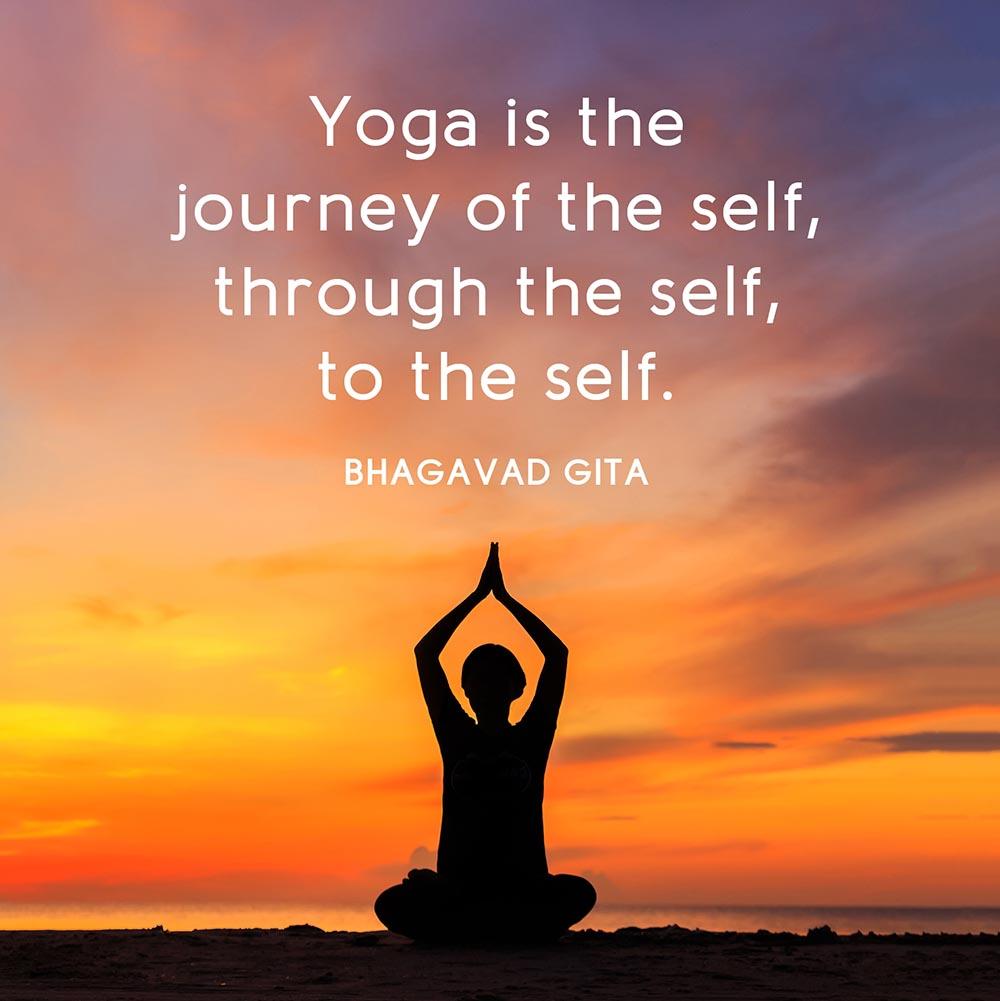
In a world that often prioritizes fast results and instant gratification, the journey of transformation can feel daunting, especially when it concerns our bodies. However, there exists a practice that invites us to embark on a different kind of journey—one that is not solely defined by the number on a scale or the reflection in the mirror. Welcome to the empowering world of yoga, where each pose, breath, and moment of mindfulness serves as a stepping stone toward self-discovery and holistic well-being. This article explores the myriad ways yoga can transform not only our physical forms but also our mental landscapes, fostering a deeper connection to ourselves and the world around us. Join us as we delve into the essence of yoga and uncover how it can be a powerful catalyst for change, guiding us toward a healthier, more balanced life.
Table of Contents
- Finding Balance Through Breath and Movement
- Strengthening Mind and Body: The Science Behind Yoga
- Embracing Mindfulness: Cultivating Inner Peace
- Building a Sustainable Practice: Tips for Long-Term Commitment
- Key Takeaways
Finding Balance Through Breath and Movement
In the journey of yoga, breath and movement intertwine seamlessly, creating a harmonious dance that awakens the body and mind. Breathing is not just a physiological act; it serves as a powerful tool to connect with the present moment, grounding us as we transition between poses. When combined with intentional movement, it helps release accumulated tension, enhancing flexibility and promoting a sense of serenity. As you flow through each posture, pay attention to how your breath can guide your movements and deepen your experience. Consider embracing practices such as:
- Ujjayi breathing – to cultivate warmth and focus.
- Diaphragmatic breathing – for relaxation and stress reduction.
- Alternate nostril breathing – to balance energy and calm the mind.
The integration of breath and movement also lays the foundation for achieving physical balance. Through consistent practice, you will notice how your body learns to find stability in various postures, which can translate beyond the mat into daily activities. As you explore poses that challenge your equilibrium, such as Tree Pose or Warrior III, remember that it’s essential to stay connected to your breath. This connection nurtures both strength and grace, resulting in a symbiotic relationship between effort and ease. To visualize this journey, consider the following table:
| Pose | Benefits | Breath Technique |
|---|---|---|
| Tree Pose | Improves balance, strengthens legs | Inhale through the nose, exhale slowly |
| Warrior III | Enhances concentration, core stability | Deep breaths, maintaining focus |
| Child’s Pose | Promotes relaxation, releases tension | Slow, rhythmic breathing |
Strengthening Mind and Body: The Science Behind Yoga
The practice of yoga offers a remarkable fusion of physical exercise and mental wellness, drawing from ancient traditions while embracing modern scientific insights. Research indicates that regular engagement in yoga stimulates the release of endorphins, the body’s natural feel-good hormones, which can enhance mood and reduce feelings of stress. This holistic practice encourages not just flexibility and strength, but also fosters mindfulness and a deeper connection between the mind and body. Through various asanas and breathing techniques, individuals can cultivate enhanced focus, allowing for improved concentration both on the mat and in daily life.
Additionally, yoga has been shown to bolster the immune system, improve cardiovascular health, and alleviate chronic pain. A structured approach to yoga can lead to remarkable physiological changes, which include:
- Increased flexibility: Promotes overall mobility and aids in injury prevention.
- Improved posture: Strengthens core muscles and aligns the spine.
- Enhanced respiratory function: Empowers better lung capacity through controlled breathing.
- Reduced anxiety and depression: Facilitates emotional stability and resilience.
To better understand these benefits, consider the following table that summarizes the physical and mental effects of consistent yoga practice:
| Benefit | Description |
|---|---|
| Flexibility | Improved joint and muscle elasticity. |
| Strength | Enhanced muscle tone and endurance. |
| Stress Relief | Calmness through mindfulness techniques. |
| Mindfulness | Increased awareness of self and surroundings. |
Embracing Mindfulness: Cultivating Inner Peace
In the hustle and bustle of daily life, finding stillness can feel like an elusive dream. Embracing mindful practices, such as yoga, offers a sanctuary for the soul amidst the chaos. By tuning into the rhythm of your breath and allowing yourself to truly feel each movement, you can cultivate a deep sense of awareness that extends beyond the mat. The essence of mindfulness lies in viewing each posture not just as a physical challenge, but as a moment of connection—where you can nourish your mind and body harmoniously. It prompts the question: How can you bring this awareness into your everyday spaces?
To foster a greater sense of inner peace, consider implementing the following strategies into your life:
- Daily Meditation: Set aside a few minutes each day to sit in silence, focusing on your breath.
- Nature Walks: Connect with the outdoors, allowing the sights and sounds to ground you.
- Mindful Eating: Savor each bite of your meals, appreciating the flavors and textures.
- Gratitude Journaling: Document moments of joy and thankfulness to shift your perspective.
Creating an environment that supports your mindfulness journey can also enhance your experience. Simple adjustments in your surroundings, like decluttering your space or incorporating calming colors, can contribute greatly to a serene atmosphere. Below is a quick overview of key elements to consider:
| Element | Description |
|---|---|
| Lighting | Soft, natural light promotes relaxation. |
| Sound | Gentle music or nature sounds can soothe the mind. |
| Textures | Incorporate soft fabrics and natural materials. |
| Plants | Add greenery to breathe life into your space. |
Building a Sustainable Practice: Tips for Long-Term Commitment
Creating a sustainable yoga practice involves fostering habits that resonate with your personal journey and lifestyle. Consider establishing a routine that suits your schedule, whether it’s early morning stretches or evening wind-down sessions. Stay attentive to your body’s signals—if you feel fatigued, opt for restorative poses rather than pushing through your routine. Incorporating variety into your practice can also help maintain your motivation; try exploring different styles of yoga, such as Vinyasa, Hatha, or Yin, and embrace the opportunity for growth in each. Regularly revisit your goals, adjusting them as you evolve in your practice to keep your journey both relevant and inspiring.
Additionally, connecting with a community can enhance your commitment to yoga. Participating in classes, workshops, or online forums fosters relationships with like-minded individuals who share your passion. Seek out mentorship from experienced instructors who can guide you through your practice and introduce fresh perspectives. Remember the importance of self-reflection; maintaining a journal can help track your progress and feelings throughout this journey. Here’s a simple table to spark some ideas on how to incorporate sustainable practices into your routine:
| Practice Type | Frequency | Duration |
| Morning Flow | 3-5 times a week | 15-30 minutes |
| Evening Restorative | 2-3 times a week | 30 minutes |
| Community Class | Once a week | 1 hour |
Key Takeaways
As we reach the final stretch of our exploration into the transformative power of yoga, it becomes clear that this journey is not merely about the physical body, but an invitation to experience wholeness in mind, body, and spirit. Each pose is a step towards self-discovery, revealing the strength and resilience that reside within us all.
Whether you’re a seasoned practitioner or just beginning to unroll your mat, remember that the journey is uniquely yours. Embrace the process, be patient with yourself, and celebrate every small victory along the way. The beauty of yoga lies not only in the poses but in the moments of stillness and reflection that accompany them.
As you take the lessons learned on the mat into your everyday life, may you find empowerment in each breath, confidence in every movement, and a deeper connection to yourself and the world around you. Transforming your body is just the beginning; the true transformation lies in the acceptance of yourself, where every fold, stretch, and balance becomes a testament to your growth.
So, take a deep breath, roll out your mat, and step boldly into the next chapter of your journey. The path of yoga is ever-evolving, and it awaits you with open arms.