


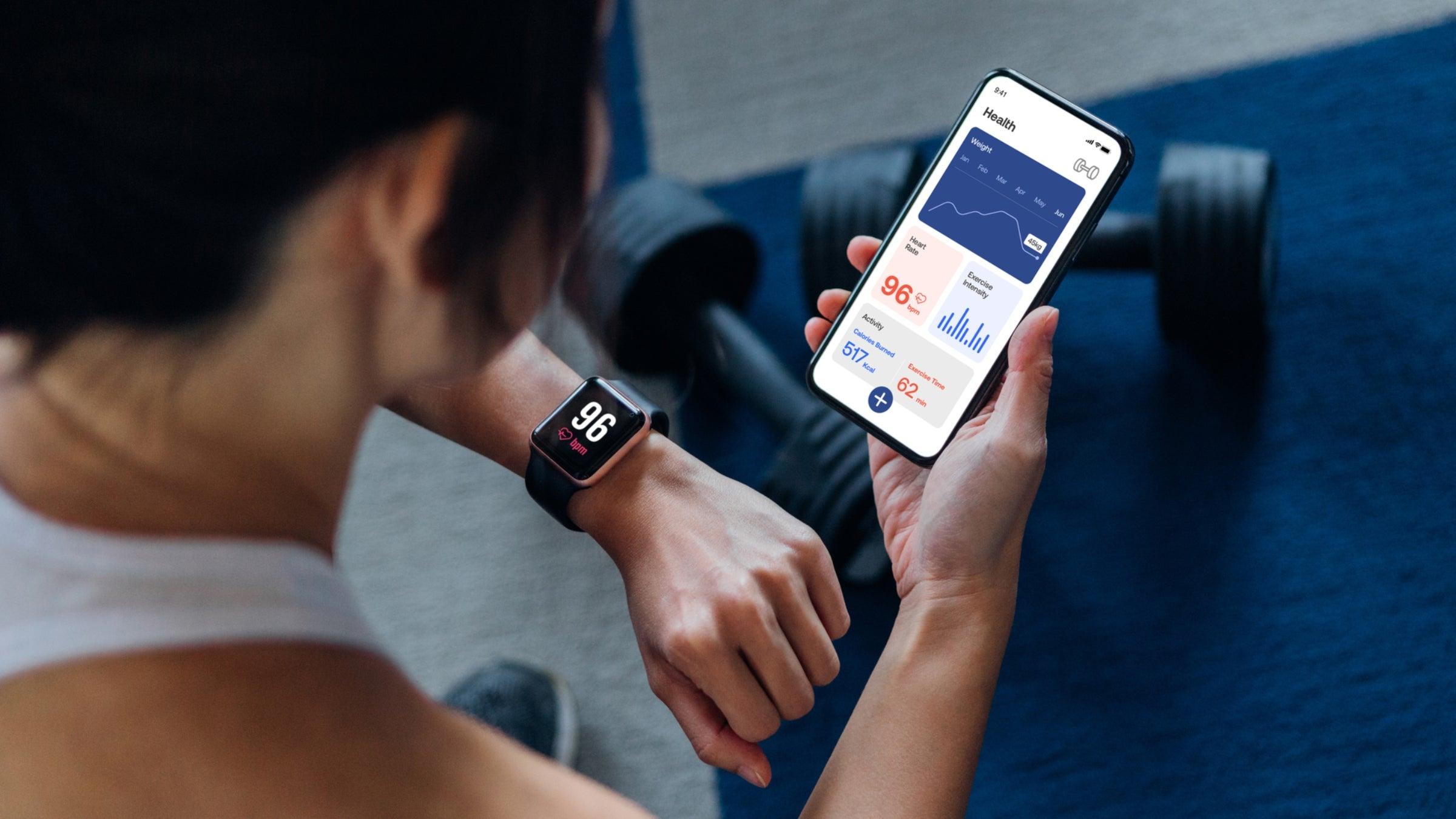
Hey there, fitness explorers! If you’ve ever found yourself lost in the world of health apps, wearable tech, and workout metrics, you’re definitely not alone. With so many tools at our fingertips, getting fit can feel like a daunting task. But fear not! This article is your friendly roadmap to navigating the exciting landscape of fitness tracking. Whether you’re a gym enthusiast, a casual walker, or just someone looking to shake off those couch potato vibes, harnessing the power of fitness tracking can transform your approach to health and wellness. We’ll break down everything from choosing the right fitness tracker to setting achievable goals and building sustainable habits. So, let’s dive in and discover how you can kick-start your journey to a fitter, healthier you!
Table of Contents
- Finding the Right Fitness Tracker for Your Lifestyle
- Setting Realistic Goals and Tracking Your Progress
- Building Healthy Habits through Data-Driven Insights
- Staying Motivated: Tips to Keep You on Your Fitness Journey
- Concluding Remarks
Finding the Right Fitness Tracker for Your Lifestyle
Choosing the perfect fitness tracker is like finding a new best friend—it’s got to fit seamlessly into your daily routine! Before diving into the sea of options, consider your lifestyle and what aspects of health you want to monitor. Ask yourself questions like: Do you prioritize heart rate monitoring, sleep tracking, or GPS for outdoor activities? It’s also essential to think about the shared features with your smartphone, as many trackers sync with apps that offer deeper insights into your fitness journey. Here are some features to consider:
- Activity Tracking: Measures steps, workouts, and daily movement.
- Heart Rate Monitoring: Keeps tabs on your heart rate during workouts.
- Sleep Analysis: Tracks your sleep patterns to improve recovery.
- Water Resistance: Suitable for swimming or showering.
- Battery Life: Lasts longer to cut down on frequent charging.
Another big factor is whether you prefer something sleek that you can wear at work or an eye-catching design that doubles as a fashion accessory. Some trackers come with smart features like notifications for calls or messages, making them multifunctional companions. To give you a clearer picture, check out this simple comparison table:
| Feature | Option A | Option B | Option C |
|---|---|---|---|
| Heart Rate Monitoring | ✔️ | ✔️ | ❌ |
| GPS Tracking | ✔️ | ❌ | ✔️ |
| Water Resistance | ✔️ | ✔️ | ✔️ |
| Battery Life (Days) | 7 | 5 | 10 |
By assessing these options against your specific needs, you’ll be well on your way to selecting a fitness tracker that not only supports your health goals but also integrates into your lifestyle with ease.
Setting Realistic Goals and Tracking Your Progress
Setting goals should be like creating a roadmap for your fitness journey. Start small and make sure your objectives are specific, measurable, achievable, relevant, and time-bound. Instead of aiming to “get fit,” try “jogging for 20 minutes three times a week for the next month.” Break your larger ambitions into bite-sized milestones that motivate you along the way. Here are some examples of realistic goals you might consider:
- Walk 10,000 steps a day
- Strength train twice a week
- Explore a new fitness class each month
- Drink eight cups of water daily
Tracking your progress is equally crucial and can give you insights into what works and what needs adjusting. Use a fitness tracker app or maintain a journal to log your workouts, meals, and overall mood. Regularly reviewing your data not only helps in recognizing patterns but also boosts your motivation. Check out this simple table format to keep your records organized:
| Date | Activity | Duration | Notes |
|---|---|---|---|
| 01/01/2023 | Jogging | 30 min | Felt great! |
| 01/03/2023 | Yoga | 45 min | Relaxing session |
| 01/05/2023 | Cycling | 1 hour | Try longer next time |
Building Healthy Habits through Data-Driven Insights
In today’s fast-paced world, leveraging technology to track our fitness can be a game changer for building sustainable and healthy habits. Fitness tracking devices and apps empower users to monitor various aspects of their physical activity, nutrition, and even sleep patterns. By collecting and analyzing data, these tools provide insight into your daily habits, making it easier to identify trends and areas for improvement. Here are some key benefits of fitness tracking:
- Accountability: Regularly interacting with your fitness tracker encourages consistency.
- Goal Setting: Setting achievable, data-informed goals helps maintain motivation.
- Progress Monitoring: Visualizing your achievements fosters a sense of accomplishment.
To fully harness the power of these insights, consider implementing a weekly review of your data. This not only helps you stay informed but also allows you to adapt your strategies as needed. Below is a simple table to organize your weekly fitness data:
| Day | Steps Taken | Calories Burned | Workout Duration |
|---|---|---|---|
| Monday | 8,000 | 400 | 45 min |
| Tuesday | 10,500 | 500 | 60 min |
| Wednesday | 7,200 | 350 | 30 min |
| Thursday | 9,000 | 500 | 50 min |
| Friday | 11,000 | 600 | 70 min |
Staying Motivated: Tips to Keep You on Your Fitness Journey
Fitness journeys can sometimes feel like a rollercoaster, with ups and downs that can challenge even the most dedicated individuals. To maintain your motivation, consider setting realistic goals that are both achievable and measurable. Break larger targets into smaller, bite-sized milestones; this way, you’ll celebrate numerous victories along the way. Keep a fitness journal or use a tracking app to document your progress—seeing where you started and how far you’ve come can be a huge motivational boost. Remember, it’s perfectly fine to adjust your goals as you evolve; flexibility in your fitness approach is key!
Another effective way to stay engaged is to surround yourself with a support system. Connect with friends, family, or even find an online community that shares your fitness interests. Group workouts or challenges can add an element of fun and accountability. Additionally, consider trying new activities or classes to keep things fresh. Whether it’s yoga, kickboxing, or hiking, variety can spark your enthusiasm and prevent boredom. Lastly, don’t forget to reward yourself for your hard work! Small treats can serve as incentives that keep you excited about your fitness journey.
Concluding Remarks
incorporating fitness tracking into your daily routine can be a game changer in your journey towards healthier habits. Whether you choose a sleek smartwatch or a simple mobile app, the key is to find a tool that resonates with you and keeps you motivated. Remember, it’s not just about hitting those numbers but understanding your body better and making informed choices.
As you embark on this tracking adventure, don’t hesitate to mix things up! Explore new workouts, challenge yourself with friendly competitions, and celebrate every little achievement. Fitness is a personal journey, and your tracking tool is there to support you every step of the way.
So grab that fitness tracker, set your goals, and get ready to take control of your health! Here’s to making strides towards a fitter, healthier you—one tracked step at a time! Happy tracking!