


In an age where diets come and go like the changing seasons, one culinary tradition stands resilient, celebrated for both its taste and its health benefits: the Mediterranean diet. Originating from the sun-soaked shores of Southern Europe, this dietary approach is more than just a collection of recipes; it is a rich tapestry woven from the vibrant ingredients, time-honored cooking methods, and communal dining experiences of diverse cultures. From the lush olive groves of Greece to the fertile vineyards of Italy, the Mediterranean diet invites us to indulge in a symphony of flavors while celebrating mindful eating. In this exploration, we will delve into the core principles of this beloved diet, uncover its health-promoting properties, and inspire a journey toward a more balanced and flavorful way of life. Join us as we embark on a delectable adventure that not only nourishes the body but also connects us to the joys of eating well.
Table of Contents
- The Rich Tapestry of Mediterranean Flavors and Ingredients
- Embracing Whole Foods: The Foundation of the Mediterranean Diet
- Culinary Practices for Health: Cooking Techniques and Meal Prep Tips
- Sustainable Eating: Balancing Nutrition with Environmental Consciousness
- To Conclude
The Rich Tapestry of Mediterranean Flavors and Ingredients
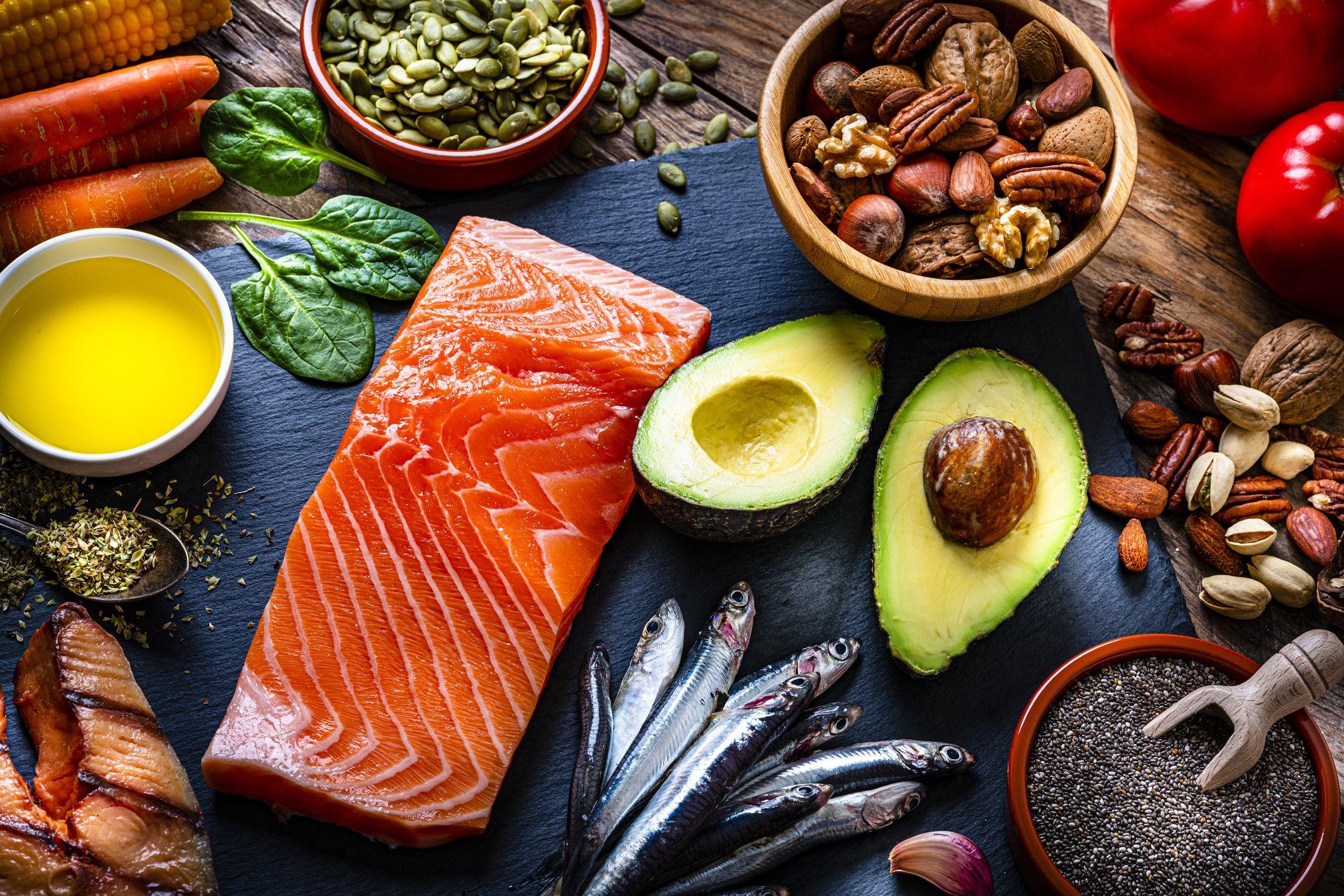
The Mediterranean region is renowned for its vibrant and diverse culinary landscape, where the interplay of sun-soaked ingredients creates a symphony of flavors. This rich diet, steeped in tradition and history, showcases a plethora of fresh produce, aromatic herbs, and high-quality fats. Key ingredients that epitomize this gastronomic adventure include:
- Olive Oil: The golden elixir, rich in healthy fats, enhances flavors and serves as a base for many dishes.
- Fruits and Vegetables: Seasonal produce such as ripe tomatoes, succulent eggplants, and vibrant bell peppers.
- Legumes: Beans and lentils provide crucial protein and fiber, forming hearty salads and stews.
- Whole Grains: Varieties like farro, barley, and whole wheat pasta nourish the body with essential nutrients.
- Seafood: Fresh fish and shellfish are staples, loaded with omega-3 fatty acids.
- Cheese: Artisan cheeses like feta and pecorino add rich flavors and textures.
Exploring these ingredients reveals not just a diet, but a lifestyle characterized by conviviality and shared meals. At its heart, this culinary tradition embraces seasonality, locality, and creativity. Here’s a glimpse into some classic Mediterranean dishes that highlight these components:
| Dish | Main Ingredients | Flavor Highlights |
|---|---|---|
| Ratatouille | Zucchini, Eggplant, Bell Peppers, Tomatoes | Herbaceous, Savory |
| Tabbouleh | Bulgur, Parsley, Mint, Tomatoes | Fresh, Zesty |
| Seafood Paella | Rice, Saffron, Shrimp, Mussels | Rich, Aromatic |
| Caprese Salad | Tomatoes, Mozzarella, Basil | Bright, Creamy |
Embracing Whole Foods: The Foundation of the Mediterranean Diet
The Mediterranean diet celebrates the bounty of whole foods, positioning them as the cornerstone of a wholesome eating lifestyle. This way of eating emphasizes fresh vegetables, fruits, whole grains, lean proteins, and healthy fats over processed choices. By incorporating a colorful array of produce, individuals not only enhance the flavor of their dishes but also maximize their intake of essential vitamins, minerals, and antioxidants. The natural balance of these ingredients creates a meal that is not only nourishing but also offers a robust taste that keeps mealtime exciting.
Moreover, the dietary practices of Mediterranean cultures highlight the importance of sustainability and locality, encouraging a farm-to-table approach. This means selecting seasonal ingredients and minimally processed options that maintain their nutrient integrity. To illustrate this, consider the following table showcasing typical whole food elements integral to this diet:
| Food Group | Examples |
|---|---|
| Fruits | Olives, Grapes, Pomegranates |
| Vegetables | Tomatoes, Spinach, Eggplants |
| Whole Grains | Quinoa, Farro, Barley |
| Proteins | Fish, Chickpeas, Lentils |
| Healthy Fats | Olive oil, Nuts, Avocados |
By focusing on these wholesome foods, not only do we reap their numerous health benefits, but we also engage in a culinary journey that respects tradition and the environment. This emphasis on natural, local ingredients fosters a deeper appreciation for food, making each meal a celebration of life and vitality.
Culinary Practices for Health: Cooking Techniques and Meal Prep Tips
The Mediterranean diet is celebrated not only for its array of delicious flavors but also for its emphasis on healthful cooking techniques that promote well-being. One of the cornerstones of this culinary philosophy is the use of fresh, seasonal ingredients. To enhance flavors while minimizing the need for excessive fats or sugars, consider utilizing methods such as:
- Grilling – Captures the essence of ingredients while imparting a smoky flavor without added oils.
- Roasting – Brings out the natural sweetness in vegetables, making them wonderfully nutritious and satisfying.
- Sautéing – A quick method that preserves the vibrant colors and textures of fresh produce, ideal for maintaining nutritional content.
Effective meal prep is also essential to embracing the Mediterranean lifestyle. Planning ahead not only saves time but encourages the use of healthy ingredients in every meal. Implement the following tips for successful meal preparation:
- Batch Cooking – Prepare larger portions of staple items like whole grains or legumes to use throughout the week.
- Mix and Match – Create versatile sauces or marinades that can elevate multiple dishes, allowing for variety without the stress of daily cooking.
- Storage Solutions – Invest in clear containers to make accessing and identifying prepped ingredients easier, which encourages everyday cooking.
| Culinary Technique | Benefits |
|---|---|
| Grilling | Enhances flavor, reduces unhealthy fats |
| Roasting | Brings out natural sweetness, easy cleanup |
| Sautéing | Retains nutrients, quick cooking time |
Sustainable Eating: Balancing Nutrition with Environmental Consciousness
The Mediterranean diet stands out not only for its delectable flavors but also for its commitment to sustainability. By emphasizing plant-based foods, it encourages individuals to consume a variety of fruits, vegetables, legumes, and whole grains while minimizing the intake of red meats and processed products. This approach fosters a deeper connection with the environment, as it supports local farmers and reduces the carbon footprint associated with food transport. Here are a few key ingredients that make this diet not just a healthful choice, but also an eco-friendly one:
- Olive oil: A staple fat that offers healthy monounsaturated fats, crucial for heart health.
- Seafood: When sourced sustainably, fish and shellfish can be an excellent source of omega-3 fatty acids.
- Legumes: These nutrient-dense foods, like lentils and chickpeas, are low in environmental impact.
- Seasonal produce: Eating seasonally minimizes environmental costs, supporting biodiversity and reducing the need for pesticides.
Moreover, incorporating the Mediterranean diet encourages mindful eating practices that align nutrition with environmental consciousness. By choosing seasonal and locally sourced ingredients, individuals not only enhance their meals but also support local economies and reduce waste. This diet is characterized by a balanced intake of whole foods, fostering an appreciation for natural flavors while ensuring adequate nutrient intake. Below is a simple comparison table showcasing the benefits of traditional ingredients versus their modern, processed alternatives:
| Traditional Ingredients | Modern Processed Alternatives | Benefits |
|---|---|---|
| Whole grains (e.g., farro) | White bread | Higher fiber, vitamins, and minerals |
| Fresh vegetables | Canned vegetables in syrup | Lower in sugar, higher in nutrients |
| Fresh fish | Fish sticks | Rich in omega-3, less harmful fats |
To Conclude
As we conclude our journey through the vibrant landscapes of the Mediterranean diet, it’s clear that this culinary tradition is much more than just a collection of recipes; it is a celebration of flavor, community, and well-being. By embracing the fresh ingredients and wholesome practices that define this diet, we uncover not just a pathway to better health, but also a richer, more enjoyable way of eating.
The Mediterranean lifestyle invites us to slow down, savor our meals, and connect with nature—reminding us that health is not merely a destination, but a journey filled with delicious discoveries. Whether you’re drawn by the promise of longevity, the allure of savory dishes, or the joy of shared meals, the Mediterranean diet offers something for everyone.
As you step away from this exploration, remember that each meal is an opportunity to nourish not just your body, but your spirit. So why not bring a taste of the Mediterranean into your life? Your palate will thank you, and so will your health. Bon appétit!