


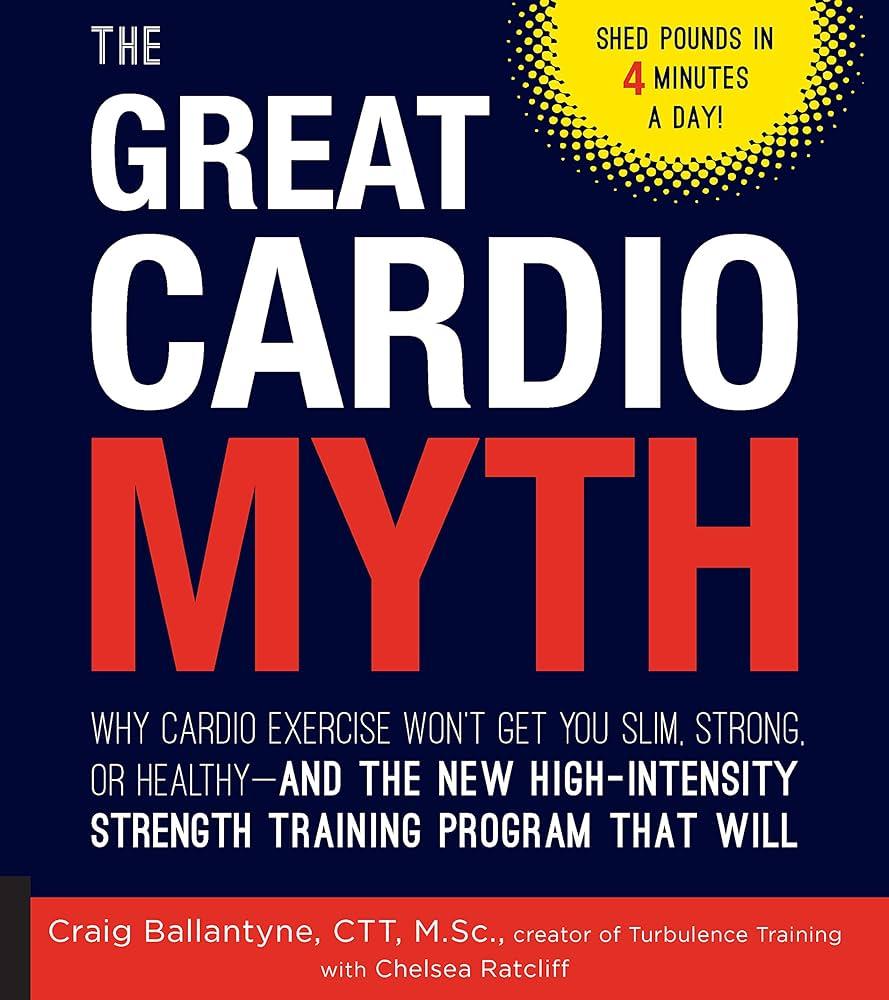
In an age where fitness trends ebb and flow like the tides, cardiovascular exercise remains a steadfast cornerstone of health advice. However, amidst the sea of recommendations and well-meaning fitness gurus, misconceptions about cardio abound, leading many to question its true role in maintaining heart health. Are we really burning fat effectively, or simply burning ourselves out? Is high-intensity interval training superior to traditional steady-state cardio, or is that just hype? In this article, we’ll peel back the layers of confusion, challenging common myths while shining a light on the facts. Join us as we navigate the intricate world of cardio, equipping you with the knowledge you need for a healthier heart and a more informed approach to your fitness journey.
Table of Contents
- The Cardio Conundrum: Understanding Aerobic Exercise Myths
- Heart Health Simplified: Debunking Common Misconceptions
- The Truth About Fat Burning: Intensity vs. Duration in Cardio
- Practical Tips for a Balanced Approach to Heart Fitness
- Closing Remarks
The Cardio Conundrum: Understanding Aerobic Exercise Myths
Aerobic exercise often takes center stage in discussions about heart health, but several pervasive myths can cloud the truth. While many believe that longer sessions of low-intensity cardio are the ultimate path to weight loss and a healthier heart, research indicates that intensifying workouts, even for shorter durations, can yield significant benefits. High-Intensity Interval Training (HIIT), for instance, has been shown to improve cardiovascular fitness and boost metabolism substantially more than traditional steady-state cardio. It’s time to shift the narrative and recognize that variety in exercise intensity can enhance endurance while making workouts more enjoyable.
Another common misconception is that cardio is the sole means to a healthier heart. In reality, strength training plays a crucial role as well. Incorporating resistance exercises can improve muscle mass, which supports efficient metabolic function and enhances cardiovascular health. Additionally, conflicting views suggest that all physical activity must be accomplished in one go for optimal health benefits. However, cumulative exercise segments—even as short as 10 minutes each day—can effectively contribute to cardiovascular fitness. Below is a comparison of these myths and the underlying facts:
| Myth | Fact |
|---|---|
| Long, low-intensity cardio is the best for heart health. | High-intensity intervals can provide equal or greater benefits. |
| Cardio is enough for a healthy heart. | Strength training is essential for overall cardiovascular fitness. |
| Exercise must be done in long, continuous sessions. | Interrupted exercise throughout the day is effective too. |
Heart Health Simplified: Debunking Common Misconceptions
Many believe that heart health solely hinges on rigorous cardio workouts, leading to the assumption that more is always better. This has led to the misconception that hours spent jogging or cycling will guarantee a healthy heart. In reality, quality over quantity plays a significant role. Short, intense bursts of exercise can often yield more benefits compared to prolonged sessions at a moderate pace. Engaging in a variety of physical activities not only keeps motivation high but also incorporates strength training and flexibility, which are crucial for overall cardiac wellness.
Furthermore, some think that heart disease only affects the elderly, dismissing the importance of preventive measures at a younger age. This belief can be dangerous, as conditions like high blood pressure and high cholesterol can emerge early in life due to poor lifestyle choices. To challenge this notion, consider the following vital facts:
| Myth | Fact |
|---|---|
| Cardio is the Only Exercise for Heart Health | Strength training and flexibility exercises importantly support a healthy heart. |
| Heart Disease is an Old Age Problem | It can develop in younger individuals; early prevention is key. |
| All Fats are Bad for the Heart | Healthy fats, like those from avocados and nuts, are beneficial. |
The Truth About Fat Burning: Intensity vs. Duration in Cardio
When it comes to fat burning, the age-old debate of intensity versus duration in cardio workouts is often clouded by misconceptions. While many believe that long, steady-state cardio sessions are the golden ticket for weight loss, research suggests otherwise. High-intensity interval training (HIIT) has gained popularity for its ability to melt away fat in shorter durations, challenging the notion that longer workout sessions are more effective. Notably, the intensity of exercise can lead to a significant afterburn effect, known scientifically as excess post-exercise oxygen consumption (EPOC), where your body continues to burn calories even after the workout is over.
Understanding the ideal balance between intensity and duration is crucial for anyone looking to optimize their fat-burning potential. Here are some key points to consider:
- Intensity: Engaging in high-intensity workouts can lead to improved metabolic rates and a higher caloric burn in a shorter time frame.
- Duration: While longer sessions at moderate intensity can contribute to fat loss, they may not elicit the same immediate post-exercise benefits as higher intensity efforts.
- Personal Preference: Ultimately, the best workout is one that you enjoy and can stick to consistently, whether it lasts 20 minutes or an hour.
To further illustrate how intensity and duration can affect calorie burn, the following table highlights the approximate calories burned during different cardio exercises at various intensities over a 30-minute period:
| Exercise Type | Low Intensity (Approx. 250 calories) | Moderate Intensity (Approx. 350 calories) | High Intensity (Approx. 500 calories) |
|---|---|---|---|
| Jogging | 160 cal | 250 cal | 350 cal |
| Cycling | 140 cal | 250 cal | 400 cal |
| Jump Rope | 200 cal | 300 cal | 500 cal |
This data underscores the fact that while duration can play a role in your overall caloric expenditure, the intensity of your workout may have a more substantial impact on fat burning efficiency. Adapt your cardio routine to blend both elements, tailoring sessions to meet your fitness goals while keeping your heart healthy and happy.
Practical Tips for a Balanced Approach to Heart Fitness
Maintaining heart health doesn’t solely hinge on excessive cardio workouts. Incorporating a variety of moderate activities into your routine can yield better results for your overall cardiovascular fitness. Consider the following daily habits to promote a balanced approach:
- Mix It Up: Combine moderate exercises like brisk walking, cycling, or swimming with strength training exercises two to three times a week.
- Listen to Your Body: Pay attention to how different activities make you feel. Adjust your routines based on your energy levels and personal preferences.
- Set Goals: Establish realistic and achievable fitness goals. This will not only keep you motivated but also reduce the pressure to perform excessively in cardio.
- Stay Consistent: Aim for at least 150 minutes of moderate activity weekly, rather than cramming it all into intense sessions.
Moreover, don’t overlook the impact of nutrition and lifestyle factors on heart fitness. A well-rounded diet and plenty of rest are crucial components in supporting your cardiovascular health. You may find it beneficial to track certain key factors:
| Aspect | Recommendation |
|---|---|
| Fruit and Vegetable Intake | 5 servings daily |
| Sodium Intake | Less than 2,300 mg/day |
| Sleep Duration | 7-9 hours per night |
Implementing these practical tips can help create a sustainable and enjoyable routine that not only tires out the heart but nurtures it. By focusing on a multifaceted approach to fitness, you can embrace a healthier heart without restrictive choices.
Closing Remarks
As we wrap up our exploration of the myths and facts surrounding cardiovascular health, it’s clear that the landscape of fitness is often shrouded in misconceptions. While cardio has held a prominent place in the hearts of many fitness enthusiasts, we’ve uncovered the truths that can transform our understanding of heart health. By navigating through popular myths, we’ve illuminated the essence of balanced exercise and the importance of a holistic approach to wellness.
Ultimately, the journey to a healthier heart is a personal one, shaped by individual needs, preferences, and lifestyles. Armed with the facts, you have the power to make informed choices about your fitness routine. Whether you re-energize your workout regimen, embrace strength training, or simply redefine what movement means to you, remember: the key to heart health lies not just in the minutes spent breathing hard, but in the joy and consistency of moving your body in whatever way feels right.
As you step forward on your wellness journey, hold onto the insights gained here, and approach your health with curiosity and mindfulness. Here’s to a heart-healthy future, built on facts, grounded in understanding, and enriched by the pursuit of activities that bring you joy and vitality.