


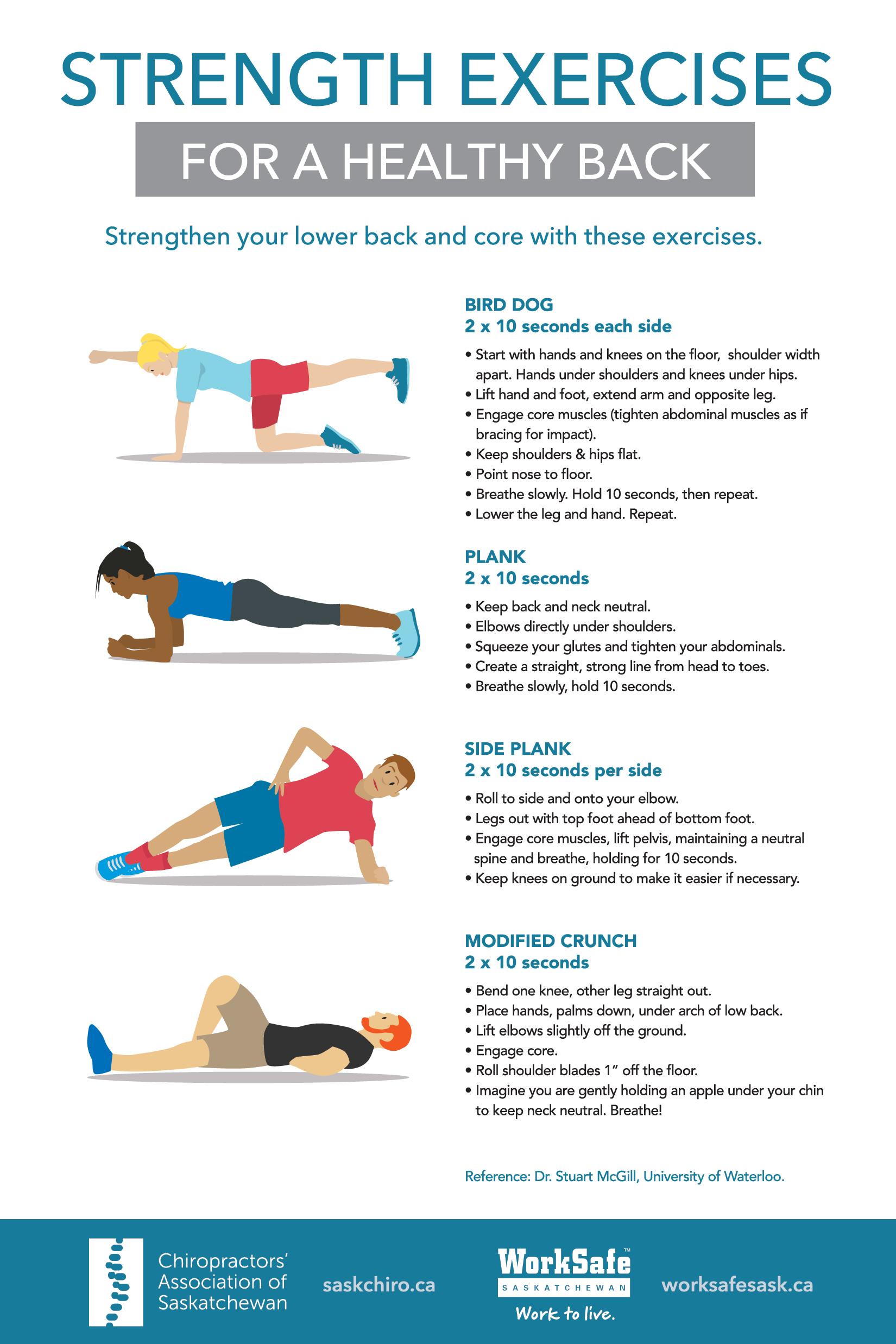
In the intricate tapestry of human fitness and health, one thread remains essential yet often overlooked: core strength. Nestled at the very heart of our physical being, the core serves as the foundation upon which all movement and stability are built. It encompasses not just the abdominal muscles, but a complex network of muscles surrounding the spine, pelvis, and torso, working harmoniously to support our daily activities and athletic endeavors alike. As we navigate through the myriad of fitness trends and wellness advice, understanding the significance of a strong core can illuminate the path to enhanced performance, injury prevention, and overall well-being. In this article, we will embark on a journey to explore the multifaceted nature of core strength, uncover practical strategies to develop it, and ultimately, reveal how this fundamental component can unlock new dimensions of health and vitality. Prepare to reimagine your approach to fitness—because every great structure begins from the ground up.
Table of Contents
- Exploring the Anatomy of Core Strength and Its Impact on Overall Fitness
- Essential Exercises for Building a Resilient Core: Techniques for Every Level
- Incorporating Core Training into Your Routine: Strategies for Lasting Results
- Nutrition and Recovery: Supporting Your Core Strength Journey for Optimal Health
- In Retrospect
Exploring the Anatomy of Core Strength and Its Impact on Overall Fitness
The core is often likened to the body’s powerhouse, serving as a structural hub that stabilizes and supports virtually every movement we undertake. This intricate network of muscles includes not just the abdominal muscles, but also the back, pelvis, and even the diaphragm. By fostering core strength, individuals enhance their ability to perform daily activities with ease, improve posture, and significantly reduce the risk of injuries. Here are some key components that contribute to a robust core:
- Transverse Abdominis: Acts as a natural corset, stabilizing the spine.
- Rectus Abdominis: Known as the “six-pack,” it aids in flexing the spine.
- Obliques: Facilitates rotational movements and side bending.
- Erector Spinae: Supports the spine and maintains posture.
Investing in core strength not only elevates physical performance in sports and workouts, but it also enhances athletic efficiency and endurance. The ripple effect of improved core stability can lead to better balance and coordination, which are invaluable in everyday tasks. To visualize the benefits of core strength, consider the following:
| Benefit | Description |
|---|---|
| Improved Posture | Reduces strain on the spine, promoting overall body alignment. |
| Enhanced Sports Performance | Increases power and agility, essential for competitive activities. |
| Injury Prevention | Strengthens muscles, protecting against strains and sprains. |
Essential Exercises for Building a Resilient Core: Techniques for Every Level
Developing a strong core is essential for enhancing overall stability, posture, and athletic performance. Whether you are a beginner or an advanced fitness enthusiast, incorporating a variety of exercises into your routine can help engage and strengthen the muscles in your abdomen, lower back, and hips. Planks, bridges, and bird-dogs are foundational movements that can easily be adapted to various fitness levels. For instance, you can start with a basic plank on your knees and progress to a full plank, maintaining proper alignment to maximize effectiveness. Make it more dynamic by adding side planks or plank jacks for an extra challenge.
For those looking to elevate their core workouts, consider adding rotational exercises like Russian twists and medicine ball slams, which not only work the abdominal muscles but also incorporate the obliques and back. Including dynamic movements such as mountain climbers or V-up variations will engage multiple muscle groups and promote functional fitness. To track your progress and ensure you’re consistently challenging your core, you might find it helpful to log your workouts in a simple table format. Below is a basic example:
| Exercise | Beginner | Intermediate | Advanced |
|---|---|---|---|
| Plank | Knees on ground, hold for 20 seconds | Full plank, hold for 30 seconds | Dynamic plank with shoulder taps |
| Bird-Dog | 3 reps per side | 5 reps per side with hold | 3 reps with opposite leg and arm raise |
| Russian Twist | Bodyweight, 5 reps per side | Weight added, 10 reps per side | Weighted twist with feet elevated |
Incorporating Core Training into Your Routine: Strategies for Lasting Results
Incorporating core training into your fitness routine doesn’t have to be a daunting task. Start by integrating simple yet effective exercises that engage multiple muscle groups. Plank variations, such as side planks and forearm planks, can easily be added to your existing workout regimen. You might also want to consider incorporating stability challenges using equipment like stability balls or balance boards, which not only work the core but also enhance overall body coordination. Short, focused sessions of core workouts—15 to 20 minutes—done 3 to 4 times a week can lead to significant improvements.
To ensure you stick with your core training, create a structured plan that includes variety and progression. Set realistic goals and occasionally change your routine to keep it fresh and engaging. Here are some strategies to help you stay on track:
- Mix it up: Alternate between core exercises like Russian twists, bicycle crunches, and leg raises.
- Incorporate challenges: Gradually increase the duration or difficulty of your exercises.
- Use a journal or app to track your progress and celebrate small victories.
Remember, consistency is key to achieving lasting results that extend beyond just aesthetics, fostering better posture, stability, and overall athletic performance.
Nutrition and Recovery: Supporting Your Core Strength Journey for Optimal Health
To truly enhance your core strength journey, focusing on nutrition is essential. The foods you consume play a crucial role in your body’s ability to recover, repair, and grow stronger. Incorporating a variety of nutrient-dense foods into your diet can help fuel your workouts and optimize recovery. Aim for a balanced intake of the following:
- Proteins: Essential for muscle repair and growth. Sources include lean meats, fish, dairy, legumes, and nuts.
- Healthy Fats: Important for hormone production and reducing inflammation. Sources include avocados, olive oil, and fatty fish.
- Carbohydrates: Provide your body with the energy needed to perform at your best. Focus on whole grains, fruits, and vegetables for sustained energy.
Additionally, hydration is a key factor in recovery. Water supports nutrient transport, regulates body temperature, and helps prevent fatigue. Consider structuring your meals around your workout schedule. A well-timed meal or snack can provide your body with the necessary fuel and nutrients to recover effectively. Here’s a simple table that illustrates meal timing:
| Time | Meal/Snack Idea |
|---|---|
| 1-2 Hours Pre-Workout | Banana with almond butter |
| Post-Workout | Grilled chicken with quinoa and steamed broccoli |
| Before Bed | Cottage cheese with berries |
With this foundation of nutrition and recovery, you’re not only setting yourself up for core strength gains but also enhancing your overall health and well-being. Embrace these dietary choices, and watch as you unlock new levels of fitness and vitality.
In Retrospect
As we wrap up our exploration of core strength, it becomes clear that it is more than just a physical attribute; it is the foundation upon which a lifetime of health and fitness is built. Strengthening your core can enhance not only your athletic performance but also your daily movements, posture, and overall well-being. The journey to unlocking this strength is a personal one, filled with trials, triumphs, and moments of self-discovery.
With the insights gleaned from this article, we encourage you to embark on your own path to a stronger core. Embrace the myriad of exercises and techniques available, but remember that consistency and patience are your greatest allies. As you cultivate your core, you will find that the benefits extend far beyond your workouts; they ripple through every aspect of your life, fostering resilience, stability, and a deeper connection to your body.
So, take a moment to reflect on what core strength means to you. Whether you are a seasoned athlete or just beginning your fitness journey, investing in your core is an investment in your future. Now, go forth with the knowledge and inspiration to unlock your potential—because true strength lies not just in what we can lift but in the foundation we build beneath us.