


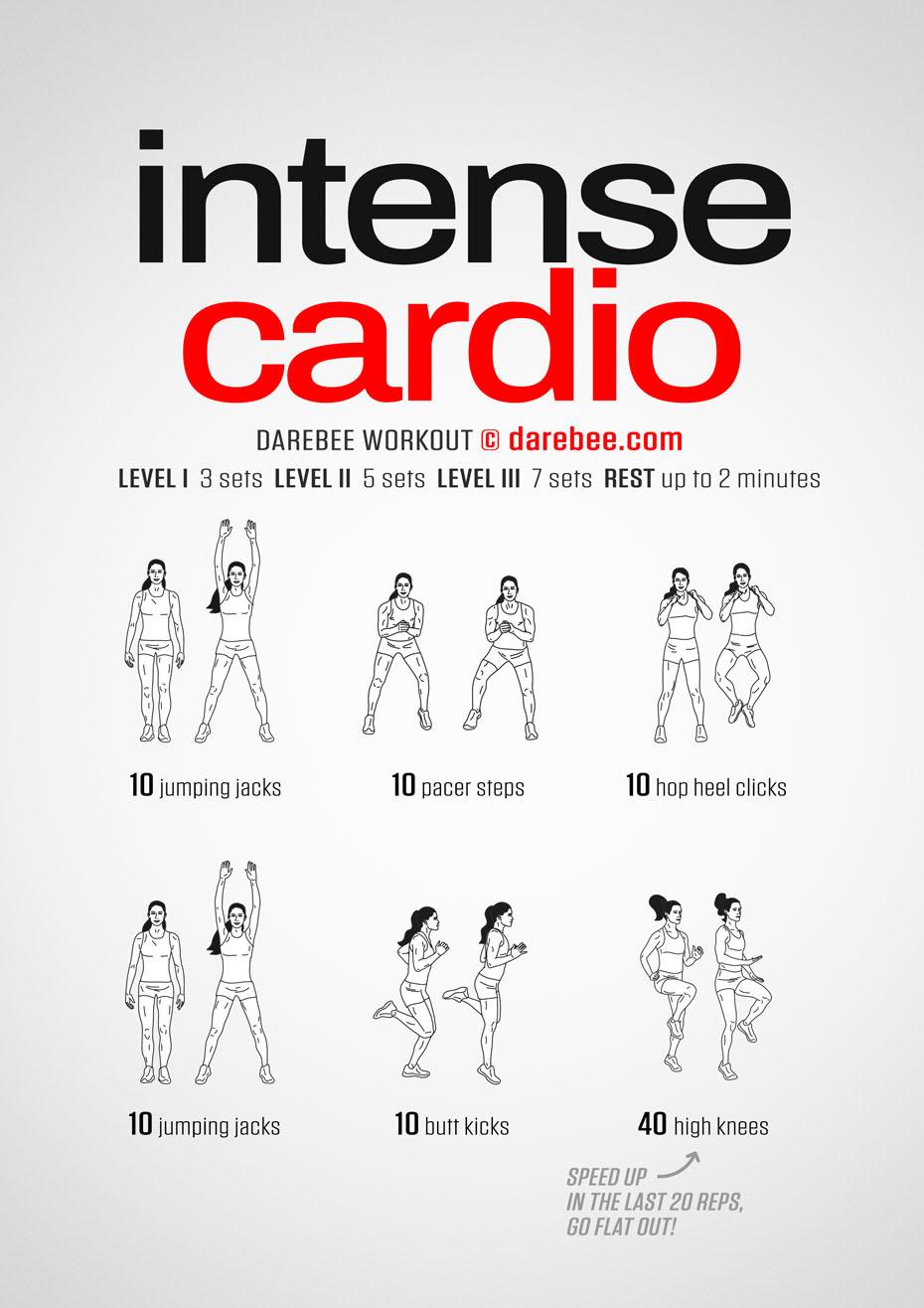
In a world where fitness trends can often feel exclusive or unattainable, the concept of “Cardio for All” emerges as a refreshing antidote. Whether you’re just starting your fitness journey, are a seasoned athlete looking to refine your regimen, or somewhere in between, the notion of tailored workouts offers a path that acknowledges and celebrates individual differences. Cardio, often hailed as the heart of any fitness routine, can be adapted to meet the diverse needs and aspirations of every individual. In this article, we will explore how customized cardio workouts not only enhance performance but also empower everyone—regardless of age, ability, or experience—to embrace movement in a way that resonates with their unique goals. Join us as we delve into the myriad of options available and discover how a little personalization can transform your approach to cardiovascular fitness.
Table of Contents
- Understanding Cardio Basics for Every Fitness Journey
- Customizing Your Routine: Finding the Right Intensity and Duration
- Innovative Cardio Techniques to Keep You Engaged
- Tracking Progress and Staying Motivated in Your Cardio Journey
- In Conclusion
Understanding Cardio Basics for Every Fitness Journey
When it comes to fitness, understanding the fundamentals of cardiovascular exercise can pave the way for a sustainable and effective routine. Cardio is not just about running long distances or spending hours on the treadmill. It encompasses a variety of activities that elevate your heart rate and engage your muscles, making it accessible for every fitness level. Consider incorporating low-impact options for beginners or those with joint concerns, such as:
- Walking
- Swimming
- Cycling
- Aqua aerobics
For those at a more advanced stage, high-intensity interval training (HIIT) can provide a thrilling challenge while maximizing your calorie burn in shorter sessions. It can be beneficial to prioritize consistency over intensity, gradually increasing your workout duration and frequency. Remember to listen to your body and allow for adequate recovery time to prevent injuries. Setting realistic goals and tracking progress not only enhances motivation but also ensures that you stay on the right path throughout your fitness journey.
| Fitness Level | Recommended Cardio Activities | Duration |
|---|---|---|
| Beginner | Walking, Easy Cycling | 20-30 mins |
| Intermediate | Running, HIIT, Stair Climbing | 30-45 mins |
| Advanced | Long-distance Running, Kickboxing | 45-60 mins |
Customizing Your Routine: Finding the Right Intensity and Duration
When it comes to cardio, understanding your body and its limits is key to establishing an effective workout routine. Start by identifying your current fitness level, which can often be grouped into categories like beginner, intermediate, and advanced. This helps in determining the appropriate intensity and duration of your workouts. For beginners, a moderate pace for about 20-30 minutes, such as brisk walking or light cycling, can be optimal. Intermediate exercisers may benefit from 30-45 minutes at a somewhat higher intensity, while advanced athletes can push themselves with high-intensity sessions lasting anywhere from 30-60 minutes or more, depending on their specific goals.
In customizing your routine, consider using the following metrics to guide your decisions:
- Heart Rate: Monitor your heart rate to ensure you are in the appropriate target zone for your fitness level.
- Perceived Exertion: Pay attention to how hard you feel you’re working, using a scale from 1 (very light) to 10 (maximal effort).
- Recovery Time: Allow adequate time for recovery between workouts, which varies based on intensity and duration.
To visualize how these factors play together, the following table outlines sample workout durations and intensities for different fitness levels:
| Fitness Level | Intensity | Duration |
|---|---|---|
| Beginner | Low | 20-30 min |
| Intermediate | Moderate | 30-45 min |
| Advanced | High | 30-60+ min |
Innovative Cardio Techniques to Keep You Engaged
Transforming your cardio routine can reignite your passion for fitness, and with a sprinkle of creativity, you can maintain motivation while challenging yourself. Consider integrating interval training into your sessions, where the focus shifts between high-intensity bursts and active recovery. This method not only burns calories more effectively but also keeps your workouts dynamic. For example, alternating between sprinting and walking or cycling can yield significant improvements in both endurance and speed. Additionally, engaging in dance-based workouts like Zumba or hip-hop classes offers an enjoyable approach to elevate your heart rate while expressing yourself through movement.
Another innovative technique is the implementation of gamification in cardio exercises. Apps and wearables that track your progress can transform ordinary sessions into an adventure where you complete challenges or achieve milestones. This fosters a sense of accomplishment and promotes consistency. To further enhance your routine, consider joining dynamic group classes or outdoor boot camps that foster community spirit while taking your cardio workouts to new heights. Below is a table showcasing various engaging cardio workouts that suit different preferences:
| Workout Type | Duration | Intensity Level |
|---|---|---|
| Dance Fitness | 45 minutes | Medium |
| HIIT | 30 minutes | High |
| Running Club | 60 minutes | Variable |
| Cycling | 40 minutes | Medium to High |
Tracking Progress and Staying Motivated in Your Cardio Journey
Embarking on a cardio journey can feel overwhelming at times, but tracking your progress can turn those daunting feelings into motivation. Keeping a record of your workouts fosters a deeper understanding of your stamina and improvements. Consider using a fitness app or a simple journal to log your activities. You can track:
- Duration: How long you exercised
- Intensity: Your perceived effort level
- Frequency: How often you engage in cardio sessions
- Distance: Especially key for runners and cyclists
Monitoring these elements not only helps in setting realistic goals but also assists in celebrating small victories that propel you forward. To aid your journey, consider creating a weekly progress table to visualize your advancements. Below is a simple example:
| Week | Cardio Type | Duration (mins) | Intensity (1-10) |
|---|---|---|---|
| 1 | Jogging | 30 | 5 |
| 2 | Cycling | 45 | 6 |
| 3 | Swimming | 30 | 7 |
Utilizing such a table not only provides clarity about your workouts but also enhances motivation each week as you witness your growth!
In Conclusion
In a world where fitness is often seen through a narrow lens, “Cardio for All” invites a refreshing perspective that embraces every individual—no matter their starting point. From the seasoned athlete seeking to elevate their performance to the beginner taking their first steps towards a healthier lifestyle, tailored cardio workouts offer a roadmap to growth, empowerment, and resilience.
As we conclude this exploration, it’s clear that cardio is not a one-size-fits-all endeavor. The beauty of this workout form lies in its adaptability; it can respond to your unique rhythm, preferences, and goals. So whether you’re dancing through a high-energy Zumba class, pacing through a scenic jog, or conquering intervals on a treadmill, remember that each heartbeat brings you closer to your aspirations.
Let your journey be guided by patience and persistence, celebrating the milestones—big and small—that punctuate your path to fitness. Embrace the joy of movement, and know that with every session, you become not just fitter, but also a more resilient and vibrant version of yourself. The rhythm of cardio is yours to define; now go out and dance to your own beat!