


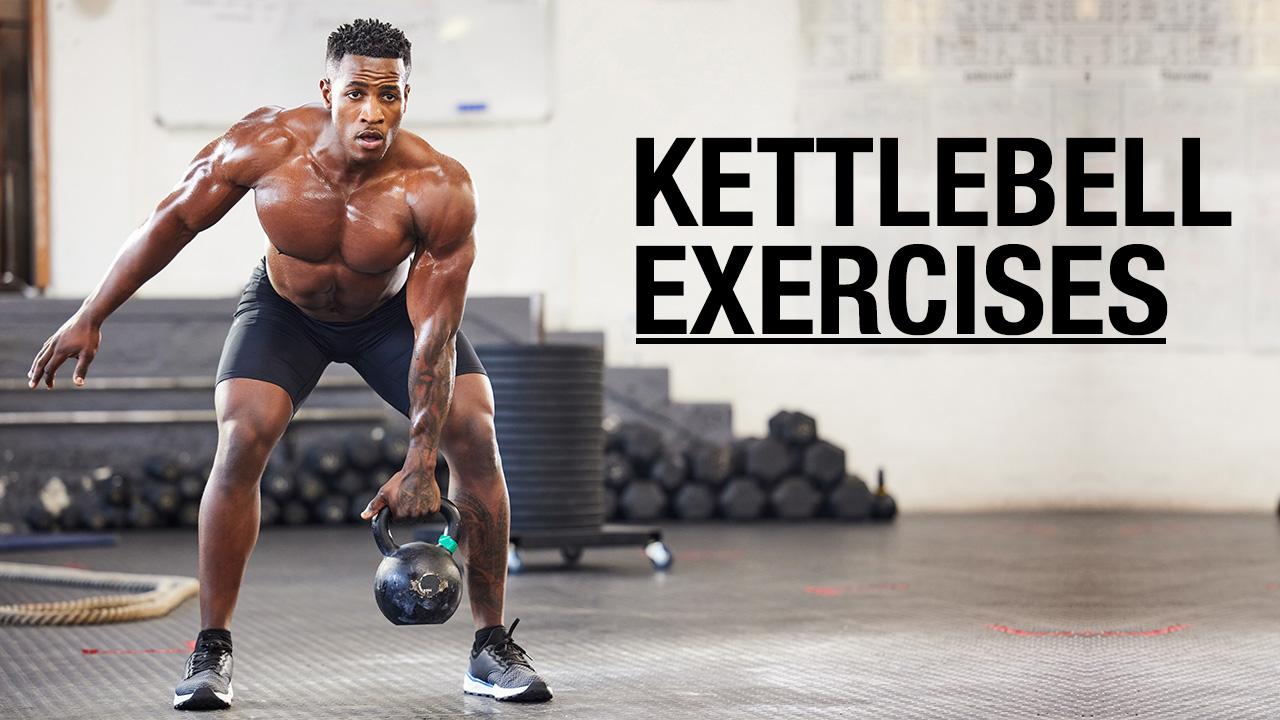
In a world brimming with fitness fads and ever-evolving workout regimes, the kettlebell stands as a beacon of timeless strength training. Originally hailing from Russia, this seemingly simple piece of equipment has transcended its humble origins, captivating athletes and fitness enthusiasts alike with its versatility and effectiveness. Whether you’re a seasoned gym-goer or a newcomer eager to embark on a transformative journey, kettlebell training offers a wealth of benefits that go beyond mere aesthetics. This article will guide you through the multifaceted power of kettlebell workouts, illuminating how they can unlock not just your physical strength, but also a renewed sense of confidence, coordination, and resilience. Prepare to rediscover your body’s potential and embrace the dynamic world of kettlebell training, where each swing, snatch, and press invites you to tap into the strength you may never have known you possessed.
Table of Contents
- Discovering Kettlebell Fundamentals for Beginners
- Essential Techniques to Maximize Your Kettlebell Workouts
- Building Strength and Endurance with Kettlebell Variations
- Creating a Balanced Kettlebell Training Program for All Levels
- The Conclusion
Discovering Kettlebell Fundamentals for Beginners
Embracing kettlebell training opens up a world of dynamic fitness opportunities, perfect for those just beginning their strength journey. With their unique shape and distribution of weight, kettlebells offer a variety of exercises that engage multiple muscle groups. As a beginner, it’s crucial to focus on mastering fundamental movements to build a strong foundation. Here are some key techniques to explore:
- Deadlift: A vital exercise for developing posterior chain strength.
- Goblet Squat: Ideal for practicing proper squat form while enhancing core stability.
- Swings: A powerful full-body movement that boosts cardiovascular endurance.
- Turkish Get-Up: A complex move that improves strength, mobility, and coordination.
As you delve into these essentials, remember that technique is paramount. Focusing on form over weight ensures safe and effective workouts. Incorporate a few key principles into your training regimen to maximize your results:
| Principle | Description |
|---|---|
| Consistent Practice | Regularly performing exercises to build muscle memory. |
| Progressive Overload | Gradually increasing weight or reps to continuously challenge your body. |
| Body Awareness | Developing a keen sense of movement and balance for enhanced performance. |
Essential Techniques to Maximize Your Kettlebell Workouts
To truly harness the benefits of kettlebell training, focus on form and technique. Start with a solid stance; your feet should be shoulder-width apart. As you swing or lift, maintain a neutral spine and engage your core. It’s essential to know how to execute basic movements correctly, such as the kettlebell swing, goblet squat, and turkish get-up. Each exercise targets multiple muscle groups, enhancing overall strength and coordination. Remember the importance of breathing—inhale through the nose during preparation phases and exhale with power during exertion to maximize every rep.
Incorporate progressive overload by gradually increasing the weight of your kettlebell as you become stronger. This can also involve modifying the number of sets, reps, or exercise variations to keep your muscles challenged. Here’s a quick reference table to help structure your kettlebell workout routine:
| Exercise | Sets | Reps |
|---|---|---|
| Kettlebell Swing | 3 | 15-20 |
| Goblet Squat | 3 | 10-15 |
| Turkish Get-Up | 3 | 5-8 (each side) |
| Kettlebell Clean & Press | 3 | 8-10 (each side) |
Lastly, always incorporate a warm-up and cool-down phase in your workout. Dynamic stretches prior to lifting boost blood circulation, while static stretches afterward aid in recovery. You’ll find that a well-rounded approach not only improves performance but also reduces the risk of injuries. Embrace these techniques diligently, and you will witness your kettlebell workouts reaching new heights.
Building Strength and Endurance with Kettlebell Variations
Kettlebell training is a dynamic way to enhance both strength and endurance, offering a versatile approach that challenges your body in various ways. By integrating different kettlebell variations into your routine, you can target multiple muscle groups while improving your cardiovascular fitness. Some effective kettlebell exercises include:
- Kettlebell Swings: A powerhouse move that activates the posterior chain, builds explosive strength, and enhances endurance.
- Kettlebell Goblet Squats: Great for lower body strength, focusing on the quads, glutes, and core stability.
- Kettlebell Snatches: An advanced move that tests your coordination and promotes overall fitness with its full-body engagement.
To further personalize your training, consider varying your sets and repetitions to suit your goals. For instance, you might implement a scheme like the one below:
| Exercise | Sets | Reps |
|---|---|---|
| Kettlebell Swings | 3 | 15-20 |
| Kettlebell Goblet Squats | 3 | 10-12 |
| Kettlebell Snatches | 3 | 6-8 (each arm) |
By systematically incorporating these kettlebell variations into your workouts, you can efficiently build muscular strength and enhance your metabolic endurance, propelling you toward achieving your fitness goals.
Creating a Balanced Kettlebell Training Program for All Levels
Developing a well-rounded kettlebell training program is essential for maximizing your strength potential and promoting overall fitness. Regardless of your experience, a balanced approach can enhance your results by incorporating a mix of strength, endurance, and mobility exercises. Consider the following components to ensure your program caters to various fitness levels:
- Strength Training: Focus on fundamental lifts such as the kettlebell swing, goblet squat, and Turkish get-up. These compound movements engage multiple muscle groups, building foundational strength.
- Endurance Work: Include high-rep circuits or AMRAP (as many rounds as possible) sessions that challenge your cardiovascular stamina while using lighter kettlebells.
- Mobility Drills: Incorporate mobility exercises like kettlebell halo and windmills to maintain flexibility and prevent injuries.
To cater to different skill levels, consider alternating between foundational movements and more complex ones as your clients progress. Below is a simple structure illustrating how to allocate training sessions effectively:
| Training Focus | Beginner | Intermediate | Advanced |
|---|---|---|---|
| Monday | Basic Swings & Goblet Squats | Single-Arm Swings & Front Squats | Kettlebell Snatches & Clean and Press |
| Wednesday | Mobility Routines | Combination Moves (e.g., Swings + Squats) | Complex Workouts (e.g., Kettlebell Flow) |
| Friday | Circuit Training (lightweight) | Tabata Style Hiit with Kettlebells | Advanced Conditioning (e.g., Kettlebell Sport) |
The Conclusion
As we conclude our exploration of kettlebell training, it’s clear that this versatile tool holds the key to unlocking your strength in more ways than one. From enhancing functional fitness to promoting a holistic approach to wellness, kettlebells empower individuals at every level of experience. As you embark on your journey with these dynamic weights, remember that the path to strength isn’t just about lifting; it’s about building resilience, honing your technique, and, ultimately, discovering the potential that lies within you.
Whether your goal is to increase muscle endurance, improve flexibility, or simply add variety to your workout routine, kettlebell training offers a balanced and effective solution. So, grab your kettlebell, challenge your limits, and embrace the transformation that awaits. With consistent effort and mindful practice, you hold the power not just to train your body, but to inspire your mind and spirit. Here’s to unlocking your strength and unleashing your full potential, one swing at a time.