


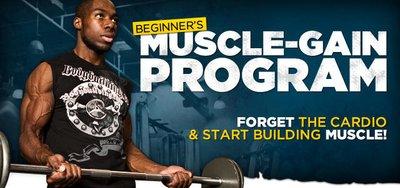
In a world brimming with quick fixes and fleeting fitness trends, the quest for building muscle remains a steadfast pursuit for many. Whether you’re a seasoned athlete looking to enhance your performance, a fitness novice wanting to transform your physique, or someone simply seeking a boost in confidence, muscle gain is an endeavor that speaks to a universal desire for strength and vitality. Welcome to “.” This article will guide you through a comprehensive approach to muscle building, blending science with practical strategies to help you harness your potential. Prepare to embark on a journey that demystifies the art of muscle gain, equipping you with the tools and knowledge to sculpt your body and elevate your fitness journey to new heights. Join us as we explore the principles, practices, and mindset necessary to unleash your strength and achieve the results you’ve always envisioned.
Table of Contents
- Harnessing the Power of Nutrition for Optimal Muscle Growth
- Essential Training Techniques to Maximize Strength Development
- Rest and Recovery: The Underestimated Keys to Muscle Gain
- Tracking Progress: Tools and Strategies for Long-Term Success
- Closing Remarks
Harnessing the Power of Nutrition for Optimal Muscle Growth
To maximize your muscle growth, it’s essential to focus on a diet that not only supports your training regimen but accelerates recovery and muscle repair. Consuming the right combination of macronutrients—proteins, carbohydrates, and fats—is fundamental. A balanced intake ensures your body has the energy it needs for intense workouts while providing the building blocks necessary for muscle synthesis. Aim to include:
- Lean Proteins: Chicken, fish, eggs, and plant-based sources like lentils and quinoa.
- Quality Carbohydrates: Whole grains, fruits, and vegetables that fuel your workouts and replenish glycogen.
- Healthy Fats: Avocados, nuts, and olive oil that support hormonal balance and assist in nutrient absorption.
Meal timing also plays a crucial role in leveraging nutrition for muscle gains. Pre-and post-workout meals should be rich in protein and carbs to optimize performance and recovery. Consider this simple table that outlines effective pre-and post-workout meal options:
| Meal Timing | Recommended Foods |
|---|---|
| Pre-Workout | Greek yogurt with honey and berries |
| Post-Workout | Grilled chicken with quinoa and steamed broccoli |
Incorporating these strategic nutritional practices into your daily routine will not only enhance your workout performance but also set a solid foundation for achieving your muscle gain goals effectively. Remember, consistency in both training and nutrition is key.
Essential Training Techniques to Maximize Strength Development
To achieve remarkable strength gains, it’s essential to incorporate a variety of training techniques that challenge your muscles in different ways. Progressive overload is a cornerstone principle, where you gradually increase the weight, reps, or intensity of your workouts. This principle ensures your muscles continually adapt, pushing them beyond their limits. Other effective methods include compound exercises, such as squats and deadlifts, which engage multiple muscle groups simultaneously, enhancing overall strength and muscle coordination. Additionally, integrating eccentric training—focusing on the lowering phase of lifts—can lead to greater muscle tears and subsequent growth.
Another critical element in maximizing strength development is strategic periodization. By cycling through varying phases of volume and intensity, you can prevent plateaus and sustain progress over time. Also, consider incorporating deload weeks, allowing your body to recover while still maintaining strength. Moreover, rest intervals play a vital role; shorter rests may enhance metabolic stress, while longer rests can improve strength gains. To effectively track and manage these techniques, consider the following table:
| Technique | Focus Area | Benefits |
|---|---|---|
| Progressive Overload | Weight/Volume | Continued muscle adaptation |
| Compound Exercises | Multiple Muscle Groups | Enhanced strength & coordination |
| Eccentric Training | Muscle Growth | Greater hypertrophy |
| Periodization | Training Phases | Prevents plateaus |
| Rest Intervals | Recovery | Improves overall performance |
Rest and Recovery: The Underestimated Keys to Muscle Gain
In the relentless pursuit of muscle gain, many athletes and fitness enthusiasts often overlook the pivotal role that rest and recovery play in their training regimen. It’s easy to fall into the trap of thinking that more workout hours equate to better results, but the reality is that muscle repair and growth occur during periods of rest. During sleep and recovery phases, the body synthesizes proteins, replenishes energy stores, and releases growth hormones, all of which are essential for building those coveted muscles. To truly unleash your strength, consider integrating these essential recovery practices:
- Quality Sleep: Aim for 7-9 hours of uninterrupted sleep per night.
- Nutritional Timing: Focus on nutrient-dense meals post-workout to aid recovery.
- Active Recovery: Engage in light activities such as walking or yoga on off days.
- Hydration: Maintain adequate fluid intake to support muscle function.
The impact of proper recovery on muscle gain cannot be overstated; inadequate rest leads not only to diminished results but also to increased risk of injury. A balanced approach should include a structured schedule that allocates specific days for intense workouts as well as recovery. Consider the following recovery recommendations:
| Recovery Strategy | Frequency | Duration |
|---|---|---|
| Rest Days | 1-2 times/week | Full day |
| Stretching Sessions | 3-4 times/week | 15-20 minutes |
| Foam Rolling | After workouts | 10 minutes |
| Cold Baths/Ice Packs | Weekly | 10-15 minutes |
Tracking Progress: Tools and Strategies for Long-Term Success
To achieve sustainable muscle gain, it’s essential to track your progress consistently. Utilizing a combination of modern tools and time-tested strategies can create a powerful approach to monitoring your fitness journey. Consider leveraging apps that allow you to record your workouts, nutrition, and recovery. Many of these tools come equipped with features that help you visualize your progress through graphs and performance metrics. Some popular options include:
- MyFitnessPal: Ideal for tracking nutrition and caloric intake.
- Strong: A straightforward app designed to log weightlifting workouts and track progression.
- Fitbod: Customizes workouts based on your recovery and progress.
In addition to apps, maintaining a structured training log or journal can enhance accountability. Write down your workouts, the weights lifted, sets, and reps performed. Coupled with body measurements and photos, this record will serve as a tangible reflection of your hard work. To further streamline your efforts, consider using a weekly progress table to summarize your key achievements:
| Week | Weight (lbs) | Reps Achieved | Muscle Measurement (inches) |
|---|---|---|---|
| 1 | 150 | 10 | 14 |
| 2 | 155 | 12 | 14.5 |
| 3 | 160 | 15 | 15 |
Closing Remarks
As you embark on your journey with the “,” remember that every great transformation starts with a single step—one that leads you to sculpting not just your physique, but also your mental resilience. With the right blend of dedication, nutrition, and strategic training, you’ll find that the path to muscle gain is as much about discipline as it is about empowerment. Embrace the challenges, celebrate the progress, and let each rep take you closer to the stronger, more confident version of yourself. The power is within you; now is the time to unleash it. Here’s to your success—lift, grow, and inspire!