


In a world where the hustle and bustle of daily life often leaves us feeling unsteady, the quest for stability becomes a vital pursuit. Picture this: a solid foundation beneath us, allowing us to navigate the challenges of both physical and mental landscapes with confidence. Enter core strength training—a transformative practice that not only empowers our bodies but also fortifies our inner resilience. Whether you’re an athlete looking to enhance performance, a busy professional seeking relief from the strains of a sedentary lifestyle, or someone embarking on a personal wellness journey, developing core strength can be the key to unlocking a more stable, balanced existence. In this guide, we’ll explore the essential principles of core strength training, uncovering practical tips and exercises designed to help you build that sturdy foundation and embrace a life brimming with vitality and stability. Welcome to your journey towards unlocking the power of your core.
Table of Contents
- Understanding the Foundations of Core Strength Training
- Essential Exercises for a Robust Core
- Integrating Core Strength into Daily Activities
- Measuring Progress and Setting Realistic Goals
- Insights and Conclusions
Understanding the Foundations of Core Strength Training
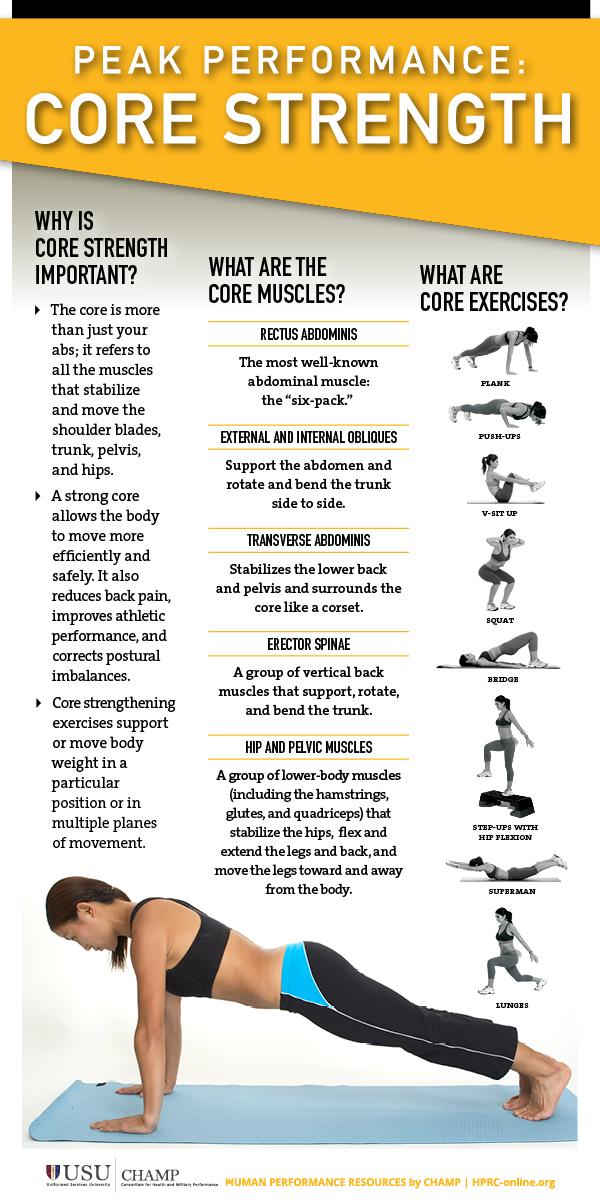
Core strength training is rooted in the understanding that a stable core is essential for both athletic performance and everyday activities. This stability is not solely about having a prominent six-pack; it’s about training a network of muscles that support the spine and pelvis. These muscles include the rectus abdominis, obliques, transverse abdominis, and the muscles of the lower back. Enhancing your core strength not only improves balance and posture, but also minimizes the risk of injury by providing a robust foundation for movements. To effectively engage your core, focus on a variety of exercises that challenge these muscles through both static and dynamic movements.
Incorporating diverse exercises into your routine is crucial for comprehensive core development. Consider the following approaches:
- Isometric Exercises: Planks and side planks help build endurance in your core muscles.
- Dynamic Movements: Exercises like bicycle crunches or mountain climbers promote functional strength.
- Stability Training: Using balance boards or stability balls can profoundly challenge your core while enhancing balance and coordination.
- Stretching and Flexibility: Integrating yoga or Pilates improves core strength while increasing flexibility and reducing tension.
For those looking to gauge their progress visually, here’s a simple breakdown of core exercise effectiveness:
| Exercise | Muscle Groups Targeted | Effectiveness Rating (1-5) |
|---|---|---|
| Plank | Rectus Abdominis, Transverse Abdominis | 5 |
| Russian Twist | Obliques, Rectus Abdominis | 4 |
| Bicycle Crunch | Rectus Abdominis, Obliques | 5 |
| Stability Ball Rollout | Transverse Abdominis, Lower Back | 4 |
Essential Exercises for a Robust Core
Building a strong core is essential for overall stability and performance in various physical activities. To enhance your core strength, incorporate these effective exercises into your routine:
- Plank: A classic isometric hold that engages multiple muscle groups, particularly the abs and back.
- Russian Twists: Great for developing oblique strength; perform this with or without weights for an added challenge.
- Dead Bug: This exercise helps to improve coordination while strengthening your core without straining your back.
- Bridge: Not only does this target the glutes, but it also strengthens the lower back and stabilizes the hips.
- Mountain Climbers: A dynamic movement that increases heart rate while targeting the entire core.
For a more structured approach, consider the following core training routine that you can perform three times a week:
| Exercise | Duration/Count | Rest |
|---|---|---|
| Plank | 30-60 seconds | 30 seconds |
| Russian Twists | 15-20 reps (each side) | 30 seconds |
| Dead Bug | 10-15 reps (each side) | 30 seconds |
| Bridge | 15-20 reps | 30 seconds |
| Mountain Climbers | 30 seconds | 30 seconds |
Integrating Core Strength into Daily Activities
Integrating core strength into your everyday routines can enhance not just your fitness but also your overall well-being. When you make a conscious effort to engage your core during daily tasks, you reinforce the muscles that stabilize your body, ultimately improving posture and preventing injuries. Consider the following activities where you can incorporate core engagement:
- Sitting at your desk: Maintain an upright posture while gently pulling your navel towards your spine. This simple adjustment can strengthen your core muscles over time.
- Walking: Focus on your core as you stroll; visualize activating your abdominal muscles with each step to improve balance and stability.
- Household chores: When doing chores, i.e., sweeping or vacuuming, engage your core by keeping your back straight and your abs tight, making the task not only a workout but also a healthier investment in your body.
- Standing in line: While waiting, practice shifting your weight from one foot to another while keeping your core tight, turning a mundane moment into an opportunity for strength building.
Incorporating core engagement into these daily activities not only strengthens your muscles but also fosters a greater awareness of your body. Regular practice can lead to improved performance in workouts and reduce the risk of lower back pain. Here’s a simple table to visualize how you can integrate core exercises into your day:
| Activity | Core Engagement Tip |
|---|---|
| Desk Work | Sit tall and pull your belly button in. |
| Walking | Contract your abs with each stride. |
| Cleaning | Keep your spine aligned and core tight. |
| Waiting in Line | Shift weight and tighten your core. |
Measuring Progress and Setting Realistic Goals
To truly gauge your development in core strength training, it’s essential to establish benchmarks that allow you to track your journey. Begin by identifying specific aspects of core strength that you want to improve—this could include stability, endurance, or power. By focusing on measurable metrics, such as the duration you can hold a plank, the number of crunches completed, or the weight lifted in rotational exercises, you can create a targeted approach to your training regimen. Regularly assess your progress through practical, ongoing evaluations, ensuring that your efforts are reflected in tangible improvements.
When setting your fitness objectives, aim for realistic and achievable targets that keep you motivated without overwhelming you. Break down larger goals into smaller milestones, which can help maintain your momentum and enthusiasm. For example, if your ultimate objective is to perform a challenging exercise like the decline plank, your incremental goals could include:
- Mastering the basic plank form.
- Progressing from a knee plank to a full plank.
- Increasing the holding time in the plank position by 15 seconds each week.
By celebrating these small victories, you foster a positive mindset that keeps you engaged in your core strength training journey.
Insights and Conclusions
As we conclude our exploration of core strength training, it’s evident that the journey toward unlocking stability is not merely a physical endeavor but a holistic commitment to self-improvement. By building a strong core, you not only enhance your athletic performance but also foster resilience in everyday activities, supporting a healthier, more balanced lifestyle. Remember, the path to core strength is as unique as you are—embrace the process, celebrate your progress, and stay curious. Whether you’re an experienced athlete or just beginning your fitness journey, the principles outlined in this guide will serve you well as you pursue your goals. So, roll out your mat, engage your core, and step boldly into the world of endless possibilities, grounded by the strength that lies within you.