


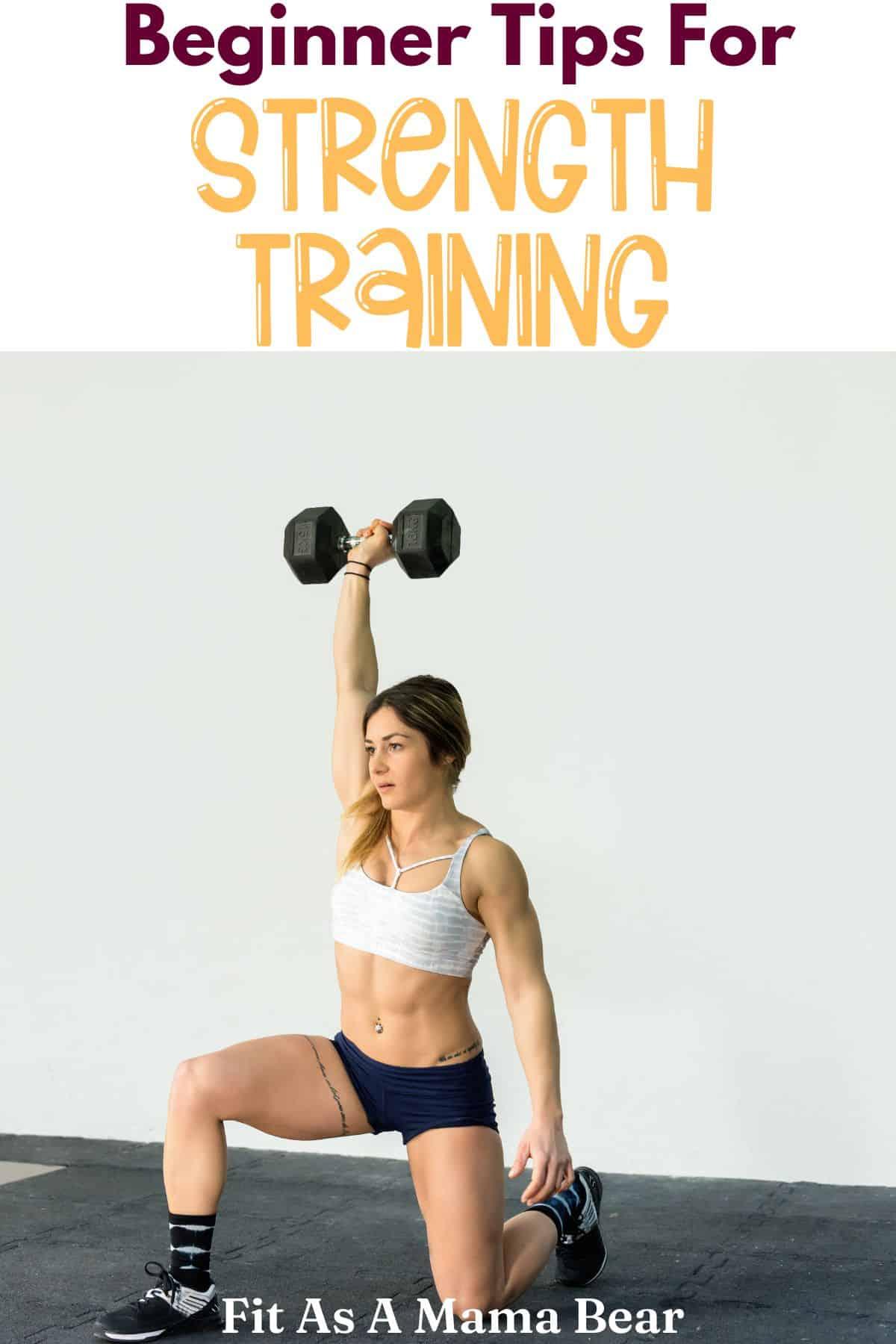
In a world where quick fixes and fad diets often steal the spotlight, the enduring power of strength training emerges as a beacon of sustainable change. “” delves into the science and practice behind this transformative approach to fitness. While many chase the promise of weight loss through fleeting trends, a deeper understanding of our body’s mechanics reveals that building strength is not just about lifting weights—it’s about forging a resilient physique, fueling metabolism, and cultivating confidence. This article invites you on a journey to discover how weightlifting can not only reshape your body but also redefine your relationship with fitness and well-being. Unleash the strength within, and watch as the process of transformation unfolds—one rep at a time.
Table of Contents
- Unlocking Metabolism Through Resistance: How Strength Training Fuels Fat Loss
- Building Lean Muscle: The Key to Sustainable Weight Management
- Creating an Effective Strength Training Routine: Tips for Beginners and Beyond
- Mind over Matter: The Psychological Benefits of Weight Training for Weight Loss
- In Conclusion
Unlocking Metabolism Through Resistance: How Strength Training Fuels Fat Loss
Strength training ignites a metabolic revolution within your body, acting as a catalyst for fat loss by increasing muscle mass and enhancing your resting metabolism. Unlike aerobic exercises, which primarily burn calories during the activity, resistance training creates a lasting impact by encouraging your body to consume more energy at rest. This heightened metabolic state results in a daily caloric expenditure that continues long after your workout is complete, making it a highly effective approach to weight management. Consider these key benefits:
- Muscle Preservation: While dieting, strength training helps retain lean muscle mass, ensuring that your body burns fat rather than breaking down muscle for energy.
- Increased Caloric Burn: Each pound of muscle burns more calories at rest compared to fat, amplifying your total daily energy expenditure.
- Improved Insulin Sensitivity: Strength training helps regulate blood sugar levels, minimizing fat storage and promoting fat utilization.
Moreover, strength training can enhance your body composition by shifting the ratio of lean muscle to fat. This shift contributes not only to the aesthetic goals of weight loss but also to improved functionality and resilience in daily activities. Tracking your progress through measurable metrics can provide invaluable insights into your transformation. Below is a simple comparison table showcasing the differences between aerobic exercise and strength training in terms of fat loss effectiveness:
| Attribute | Aerobic Exercise | Strength Training |
|---|---|---|
| Caloric Burn During Workout | High | Moderate |
| Caloric Burn After Workout | Low | High |
| Muscle Gain | Minimal | Significant |
| Metabolic Boost | Temporary | Sustained |
Building Lean Muscle: The Key to Sustainable Weight Management
When it comes to achieving lasting weight loss, building lean muscle plays a crucial role. Unlike fat, muscle is metabolically active, meaning it burns more calories even when at rest. Integrating strength training into your routine not only enhances your physique but also supports a more efficient metabolism. By focusing on compound movements such as squats, deadlifts, and bench presses, you engage multiple muscle groups simultaneously, fostering muscle growth and improving overall strength. As you challenge your body, you’ll experience the “afterburn” effect, where your calorie expenditure remains elevated long after your workout has ended.
To maximize the benefits of strength training, consider incorporating a balanced diet rich in protein, healthy fats, and complex carbohydrates. Here are some effective strategies to promote lean muscle development:
- Prioritize progressive overload by gradually increasing weights and resistance.
- Incorporate variety in exercises to target different muscle groups.
- Ensure adequate recovery time and sleep to allow muscles to repair and grow.
By establishing a strong foundation in strength training, you equip yourself with the tools necessary for sustainable weight management and a healthier lifestyle. With commitment and the right approach, it becomes possible to transform not just your body, but also your overall relationship with food and exercise.
Creating an Effective Strength Training Routine: Tips for Beginners and Beyond
Building a robust strength training routine begins with understanding your personal fitness level and goals. For beginners, it’s essential to start with foundational exercises that target major muscle groups. Consider incorporating movements such as squats, push-ups, and deadlifts to establish a balanced regimen. As you advance, you can integrate more complex exercises like overhead presses and lunges. Remember to prioritize proper form over lifting heavier weights, as this will significantly reduce the risk of injury. A well-rounded routine should also include:
- Compound exercises for muscle mass
- Isolation exercises to focus on specific areas
- Rest days for muscle recovery
- Progressive overload to continually challenge your body
To monitor your progress effectively, consider creating a simple table to track your exercises, sets, and repetitions. Here’s a sample format to get you started:
| Exercise | Sets | Reps | Weight (lbs) |
|---|---|---|---|
| Squats | 3 | 10 | Body weight |
| Push-ups | 3 | 8-12 | N/A |
| Deadlifts | 3 | 10 | 50 |
This kind of tracking not only celebrates your achievements but also helps identify areas that may require more focus. By establishing a consistent schedule and gradually increasing your weight and complexity, you will enhance your strength and boost your overall metabolism, making strength training an invaluable component of your weight loss journey.
Mind over Matter: The Psychological Benefits of Weight Training for Weight Loss
Engaging in weight training not only sculpts the body but also transforms the mind. The psychological aspect of strength training plays a crucial role in building resilience and fostering a positive mindset. As you lift weights, you are not just challenging your muscles; you’re also pushing against mental barriers. This dual engagement offers numerous benefits, such as:
- Boosted confidence: Achieving physical milestones enhances self-image.
- Reduced anxiety: The endorphin rush post-workout can alleviate stress and anxiety.
- Improved mood: Consistent training can lead to long-term benefits for mental health.
Moreover, weight training empowers individuals to exert control over their bodies and health, reinforcing the mind-body connection. Regularly setting and meeting personal goals in the gym cultivates a sense of accomplishment and discipline. This skill can translate into other areas of life, promoting a proactive approach to challenges. Consider the following aspects that illustrate the interplay between strength training and psychological well-being:
| Psychological Benefit | Description |
|---|---|
| Goal Setting | Encourages focus and determination. |
| Community | Fosters connections and support through group workouts. |
| Mindfulness | Promotes present-moment awareness during workouts. |
In Conclusion
As we draw the curtain on our exploration of strength training and its transformative effect on weight loss, it becomes clear that the journey to a healthier body is not merely about numbers on a scale or fleeting diets. Instead, it’s a holistic venture where resilience, empowerment, and self-discovery intersect. By embracing the principles of strength training, you’re not just cultivating muscle; you’re building a foundation for lifelong health and confidence. Every rep and every set become stepping stones toward a more vibrant version of yourself. So, as you embark on this path, remember: the real power lies not just in the weights you lift but in the commitment you make to your own well-being. With determination and consistency, you can transform your body and, more importantly, your relationship with it. Here’s to a stronger, healthier you—may the journey inspire both body and spirit!