


In an age where the rhythm of life often moves faster than our breaths, the importance of lung capacity has never been more apparent. With each inhale, our lungs play a vital role, delivering oxygen to fuel our bodies and minds. Yet, many of us underestimate their capabilities, allowing them to go untrained and underutilized. Enter cardio workouts—the unsung heroes of respiratory health. From brisk runs to cycling adventures, these dynamic exercises do more than just elevate our heart rates; they challenge and expand our lung capacity, paving the way for improved endurance, vitality, and overall well-being. In this article, we’ll explore the profound impact of cardio workouts on lung capacity and uncover effective strategies to incorporate them into our daily routines, enabling us to breathe easier and live fully.
Table of Contents
- Understanding Lung Capacity and Its Importance for Overall Health
- The Role of Cardio Workouts in Enhancing Respiratory Efficiency
- Choosing the Right Cardio Exercises for Maximum Lung Expansion
- Incorporating Breathing Techniques to Amplify Your Cardio Routine
- Key Takeaways
Understanding Lung Capacity and Its Importance for Overall Health
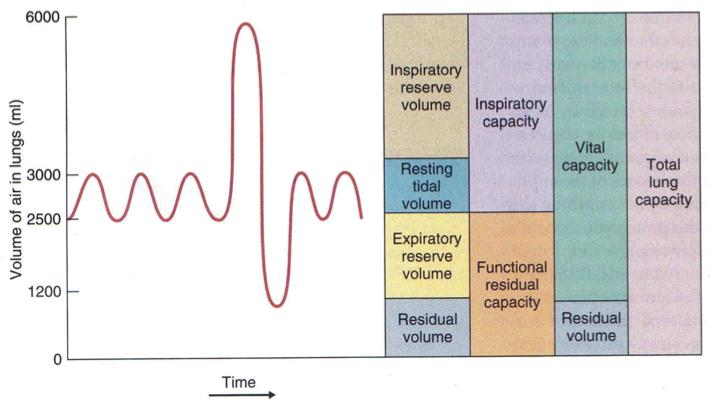
Lung capacity plays a crucial role in our overall health and well-being, affecting everything from our ability to perform physical activities to our energy levels throughout the day. It refers to the maximum amount of air that our lungs can hold, which is essential for effective oxygen exchange in the body. Enhancing lung capacity not only improves athletic performance but also supports respiratory function and overall vitality. Engaging in regular aerobic exercises can significantly stimulate the lungs, as these workouts introduce higher demands for oxygen, thereby training the lungs to work more efficiently.
To better understand how various forms of cardio contribute to lung health, consider the following benefits:
- Increased Endurance: Regular cardio can lead to improved stamina and reduced fatigue.
- Efficient Oxygen Use: Enhanced lung capacity allows for more oxygen to be absorbed and utilized by the body.
- Stronger Respiratory Muscles: Cardio strengthens the diaphragm and intercostal muscles, facilitating deeper breathing.
Incorporating activities such as running, cycling, swimming, or dancing can lead to sustainable lung health. The following table illustrates various cardio workouts along with their suggested duration for optimal lung capacity improvement:
| Workout Type | Recommended Duration |
|---|---|
| Running | 30 minutes |
| Cycling | 45 minutes |
| Swimming | 30 minutes |
| HIIT Sessions | 20-30 minutes |
The Role of Cardio Workouts in Enhancing Respiratory Efficiency
Engaging in cardio workouts plays a pivotal role in enhancing respiratory efficiency, transforming how our bodies intake and utilize oxygen. As the heart rate increases during activities like running, cycling, or swimming, the demand for oxygen rises, prompting the lungs to work harder. This process not only strengthens the respiratory muscles but also increases the overall lung capacity. Over time, regular cardio exercise can lead to improved oxygen diffusion within the alveoli, resulting in a more efficient transfer of oxygen into the bloodstream. With greater lung efficiency, individuals often find that everyday activities feel less taxing, showcasing the practical benefits of a dedicated cardio routine.
Incorporating a variety of cardio workouts can optimize respiratory performance further by challenging the body in different ways. Here are some effective forms of cardio to consider:
- Interval Training: Alternating between intense bursts of activity and short rest periods can maximize lung capacity gains.
- Steady-State Cardio: Activities like brisk walking or light jogging maintain a consistent pace, enhancing aerobic endurance.
- High-Intensity Interval Training (HIIT): Offers cardiovascular and muscular challenges, creating a more comprehensive fitness approach.
- Swimming: This low-impact option increases lung capacity while minimizing joint strain.
- Cycling: Whether stationary or on the road, cycling effectively improves respiratory strength through sustained effort.
| Type of Cardio | Effect on Respiration | Duration Recommendation |
|---|---|---|
| Interval Training | Boosts oxygen intake quickly | 20-30 minutes |
| Steady-State Cardio | Improves endurance and efficiency | 30-60 minutes |
| Swimming | Enhances lung capacity and breath control | 30-60 minutes |
Choosing the Right Cardio Exercises for Maximum Lung Expansion
When it comes to expanding lung capacity, incorporating the right cardio exercises into your routine is essential. Different forms of cardiovascular workouts engage your respiratory muscles in unique ways, leading to enhanced lung function and increased endurance. Here are some effective options to consider:
- Running or Jogging: This classic form of cardio not only stimulates your heart rate but also challenges your lungs to adapt to the increased demand for oxygen.
- Cycling: Whether on a stationary bike or outdoors, cycling promotes lung capacity through rhythmic breathing and resistance.
- Swimming: The ultimate full-body workout, swimming necessitates breath control, effectively enhancing lung volume and efficiency.
- HIIT (High-Intensity Interval Training): Short bursts of intense activity followed by rest help improve both aerobic and anaerobic endurance, promoting lung expansion.
To determine which exercises may best suit your needs, consider creating a personalized cardio plan based on intensity, duration, and your current fitness level. Here’s a simple comparison table for common cardio workouts:
| Exercise | Intensity Level | Recommended Duration |
|---|---|---|
| Running | High | 30-60 minutes |
| Cycling | Moderate | 45-90 minutes |
| Swimming | Moderate to High | 30-60 minutes |
| HIIT | High | 20-30 minutes |
By intentionally selecting the types of cardio workouts you engage in, you can not only boost your lung capacity but also enjoy the wider benefits of improved cardiovascular health and overall fitness. Remember to listen to your body and gradually increase intensity to prevent injury while maximizing your workouts’ benefits.
Incorporating Breathing Techniques to Amplify Your Cardio Routine
Integrating breathing techniques into your cardio routine can elevate your workouts to new heights by optimizing oxygen intake and enhancing endurance. Consider practicing diaphragmatic breathing, where you engage your diaphragm for deeper breaths, helping to increase lung capacity and improve oxygenation during exercise. Before you begin your cardio, take a few moments to settle into a comfortable position, inhale deeply through your nose, allowing your belly to expand fully. Then, exhale slowly through your mouth, focusing on releasing tension and maximizing each breath. This method not only enhances physical performance but also promotes a sense of calm and preparedness before vigorous activity.
Another powerful technique is the 4-7-8 breathing method, which can help regulate your heart rate and reduce fatigue. Here’s how to incorporate it into your routine:
| Phase | Duration |
|---|---|
| Inhale | 4 seconds |
| Hold | 7 seconds |
| Exhale | 8 seconds |
By practicing this technique during your warm-up or cool-down phases, you can cultivate a steady breath rhythm that may lead to improved stamina and a more enjoyable workout experience. Incorporating these breathing practices consistently will not only boost your lung capacity but also transform your overall cardio performance.
Key Takeaways
As we come to the end of our exploration into the dynamic world of cardio workouts and their profound impact on lung capacity, it’s clear that the journey to better breathing is as much about commitment as it is about activity. Every heartbeat during a run, every inhalation in a cycling session, and every drop of sweat shed in the pursuit of fitness contributes to a stronger respiratory system and enhances overall well-being.
Whether you’re a seasoned athlete or just starting your fitness voyage, integrating cardiovascular exercises into your routine can unlock the power of your lungs and transform your life in ways you may not have thought possible. As you lace up your sneakers and step out for your next workout, remember that each breath taken in rhythm with your body is a testament to your dedication to health and vitality.
So, embrace the challenge, enjoy the journey, and let the rhythm of your heart and lungs guide you toward a healthier, more vibrant you. The path to improved lung capacity is not just a destination; it’s a celebration of movement and life itself. Ready, set, breathe deeply!