


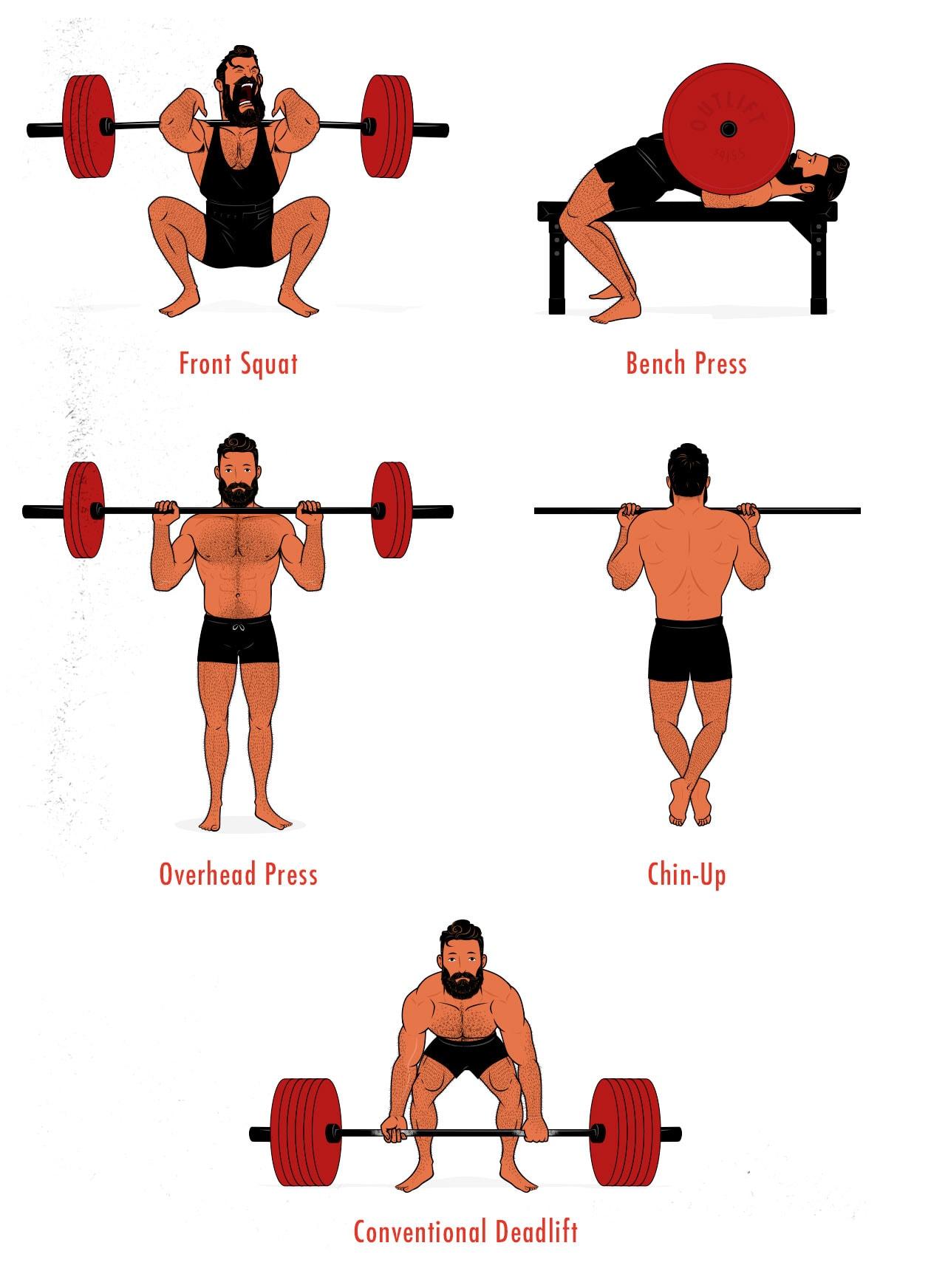
In the world of fitness, the quest for strength often leads us down a myriad of paths, each promising the key to unlocking our physical potential. Yet, among this abundant array of workouts and methodologies, one approach stands out for its efficiency and effectiveness: compound exercises. These dynamic movements, which engage multiple muscle groups and joints simultaneously, are not only the cornerstone of any robust training regimen but also a testament to the body’s natural ability to work as a cohesive unit. As we delve into the intricacies of compound exercises, we will explore their profound impact on strength building, functional fitness, and overall athletic performance. Join us on this journey to understand why incorporating these powerful movements into your routine can be a game-changer in achieving your fitness goals.
Table of Contents
- Understanding Compound Exercises and Their Role in Strength Training
- Essential Muscle Groups Engaged in Compound Movements
- Designing an Effective Workout Routine with Compound Exercises
- Maximizing Results: Tips and Techniques for Compound Exercise Success
- Key Takeaways
Understanding Compound Exercises and Their Role in Strength Training
Compound exercises are the cornerstone of an effective strength training regimen, engaging multiple muscle groups and promoting functional strength. Unlike isolation exercises, which focus on a single muscle, compound movements challenge your entire body, making them more efficient for building overall power and improving athletic performance. Key benefits of incorporating compound exercises include:
- Maximized calorie burn
- Increased hormonal response
- Enhanced muscle coordination
- Improved balance and stability
Incorporating a variety of compound exercises into your workout routine can lead to faster progress and more significant strength gains. Examples of these exercises include squats, deadlifts, bench presses, and pull-ups. Not only do they save time during workouts, but they also create a robust foundation for more advanced training. Below is a simple comparison table that highlights some popular compound movements and their primary muscle groups worked:
| Exercise | Main Muscle Groups |
|---|---|
| Squats | Quadriceps, Hamstrings, Glutes |
| Deadlifts | Back, Glutes, Hamstrings |
| Bench Press | Chest, Shoulders, Triceps |
| Pull-Ups | Back, Biceps, Shoulders |
Essential Muscle Groups Engaged in Compound Movements
Engaging in compound movements activates multiple muscle groups simultaneously, making them a powerhouse workout for building functional strength. Key muscles targeted during these exercises include:
- Quadriceps: Crucial for knee extension and important in exercises like squats and lunges.
- Hamstrings: Essential for knee flexion and often recruited during deadlifts and leg presses.
- Gluteals: Major players in hip extension, providing strength in movements such as squats and hip thrusts.
- Chest Muscles: Pectoralis major and minor activate during pressing exercises like bench presses and push-ups.
- Back Muscles: Including the latissimus dorsi, trapezius, and rhomboids, are engaged in lifts like rows and pull-ups.
Incorporating these exercises into your routine not only enhances strength but also contributes to improved stability and coordination. Compound movements stimulate muscle synergy, leading to greater overall development. Here’s a simple overview of some crucial compound exercises along with the predominant muscle groups they engage:
| Exercise | Main Muscle Groups Engaged |
|---|---|
| Squats | Quadriceps, Glutes, Hamstrings |
| Deadlifts | Glutes, Hamstrings, Lower Back |
| Bench Press | Chest, Shoulders, Triceps |
| Pull-Ups | Back, Biceps, Shoulders |
| Lunges | Quadriceps, Glutes, Hamstrings |
Designing an Effective Workout Routine with Compound Exercises
To harness the full potential of compound exercises in your workout routine, it’s essential to structure your sessions thoughtfully. Begin by identifying key compound movements that target multiple muscle groups. Squats, deadlifts, and bench presses are excellent staples that can build strength and muscle while promoting functional fitness. Aim to schedule workouts that incorporate these exercises at least two to three times a week, allowing for adequate recovery between sessions. This ensures you continually stimulate muscle growth while also improving overall balance and coordination.
In designing your workout, consider splitting your routine into focused sessions. A well-rounded weekly plan might include:
- Day 1: Lower Body (Squats, Deadlifts, Lunges)
- Day 2: Upper Body (Bench Press, Bent-over Rows, Overhead Press)
- Day 3: Full-body Circuit (Combination of the above)
Mixing in accessory movements can also complement your compound lifts. These support your main exercises and enhance your strength. Keep in mind the importance of proper form in all exercises; this not only maximizes effectiveness but also minimizes the risk of injury. Incorporating variations like front squats or incline bench presses can add diversity to your routine while still prioritizing those vital compound movements.
Maximizing Results: Tips and Techniques for Compound Exercise Success
To achieve optimal results with compound exercises, it’s essential to focus on form and consistency. Proper technique not only maximizes the benefits of each movement but also minimizes the risk of injury. Prioritize the following strategies in your workout routine:
- Master the fundamentals: Before adding weight or increasing intensity, ensure you’re comfortable with basic movements.
- Engage the core: A strong core supports proper posture and enhances performance during lifts.
- Warm-up adequately: Dynamic stretching and mobility drills prepare the body for strenuous activity.
In addition to mastering technique, progressive overload is crucial for building strength. Gradually increasing the weight you lift or the number of repetitions you perform challenges your muscles and fosters growth. Consider implementing these methodologies into your training regimen:
- Track your workouts: Keep a detailed log of your exercises to measure progress and plan future workouts.
- Incorporate varied rep ranges: Switching between low, medium, and high repetitions can stimulate muscle growth effectively.
- Allow for recovery: Rest days and proper nutrition are vital for muscle repair and growth, ensuring you come back stronger.
Key Takeaways
As we draw the curtain on our exploration of compound exercises, it’s evident that these dynamic movements are more than just a staple in strength training; they are a pathway to unlocking your full physical potential. By engaging multiple muscle groups and fostering functional strength, they not only enhance performance in the gym but also in everyday life. As you integrate these powerful exercises into your routine, remember that consistency and proper form are your greatest allies. Whether you’re a seasoned athlete or a newcomer to fitness, the key lies in embracing the challenge and celebrating your progress. So, take a step forward, lift your limits, and let the transformative power of compound exercises guide you on your journey to strength. The possibilities are endless when you unlock the true potential of your body.