


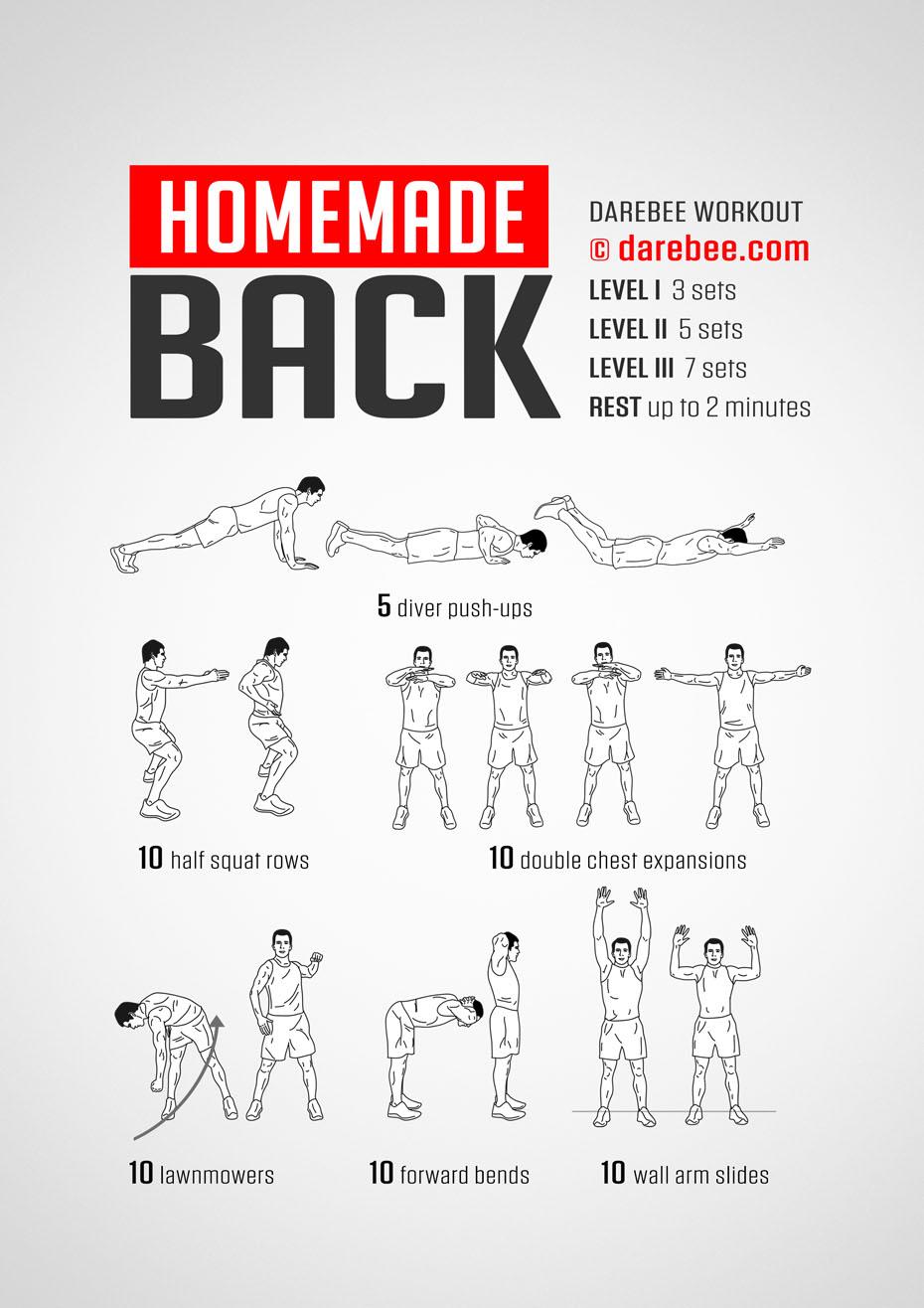
The back is a complex structure of muscles, ligaments, and vertebrae that plays a crucial role in maintaining overall body strength and stability. Strengthening the back not only enhances posture and physical appearance but also contributes to functional performance in daily activities and athletic endeavors. This article aims to explore a range of effective back workout techniques designed to build strength and promote stability. By examining various exercises, their physiological benefits, and proper execution methods, individuals can enhance their fitness routines while minimizing the risk of injury. Understanding these principles is essential for anyone looking to develop a balanced and robust physique.
Table of Contents
- Understanding the Anatomy of Back Muscles for Targeted Workouts
- Essential Techniques for Building Strength and Stability in Back Exercises
- Recommended Equipment and Tools to Enhance Back Workouts
- Incorporating Core Stability for Improved Back Performance
- The Conclusion
Understanding the Anatomy of Back Muscles for Targeted Workouts
Understanding the structure and function of back muscles is crucial for designing effective workouts that enhance strength and stability. The back is composed of several key muscle groups, including the latissimus dorsi, trapezius, rhomboids, and erector spinae. Each of these muscles plays a specific role in movement and posture, making it essential to target them appropriately for comprehensive back health. For instance, the latissimus dorsi aids in arm movements and helps stabilize the spine, while the trapezius supports neck and shoulder movements. Targeting these muscles allows individuals to improve overall strength while reducing the risk of injury.
To formulate an effective back workout, it is beneficial to incorporate a variety of exercises that engage these muscle groups. Consider including the following types of movements in your routine:
- Pull-ups and chin-ups: Great for engaging the latissimus dorsi and musculature of the upper back.
- Rows: Whether bent-over or seated, rows effectively target the middle back and improve postural stability.
- Deadlifts: A compound movement that engages the entire back, particularly the erector spinae and lower back.
- Face pulls: Excellent for strengthening the upper back and improving shoulder health.
Employing proper form during these exercises is vital for maximizing benefits while minimizing the risk of injury. The following table provides a quick reference for optimal rep ranges and associated muscle groups for effective back workouts:
| Exercise | Recommended Reps | Targeted Muscle Group |
|---|---|---|
| Pull-Ups | 3-4 sets of 6-10 reps | Latissimus dorsi, biceps |
| Bent-Over Rows | 3-4 sets of 8-12 reps | Rhomboids, trapezius |
| Deadlifts | 3-4 sets of 5-8 reps | Erector spinae, glutes |
| Face Pulls | 3-4 sets of 12-15 reps | Trapezius, rear deltoids |
Essential Techniques for Building Strength and Stability in Back Exercises
Building strength and stability in back exercises requires an understanding of different muscle groups and their functions. Focusing on compound movements can yield significant improvements. Consider integrating exercises such as:
- Deadlifts: Engages the entire posterior chain.
- Pull-ups: Builds upper back strength effectively.
- Rows (Dumbbell or Barbell): Targets the mid-back area for stability.
- Supermans: Enhances lower back endurance and strength.
Additionally, employing proper form and mind-muscle connection is crucial in maximizing the effectiveness of your workouts. To maintain balance and prevent injury, consider the following strategies:
| Technique | Description |
|---|---|
| Bracing | Engage your core by tightening your abdominal muscles. |
| Controlled Movements | Avoid swinging or using momentum; focus on slow, deliberate reps. |
| Mind-Muscle Connection | Focus on the targeted muscles during each repetition for better results. |
Recommended Equipment and Tools to Enhance Back Workouts
To maximize your back workouts, incorporating the right equipment can significantly enhance your performance and results. Here are some essential tools that cater to different fitness levels and workout goals:
- Dumbbells: Versatile and perfect for exercises such as bent-over rows and shoulder flyes.
- Resistance Bands: Great for adding resistance to bodyweight exercises and improving muscle engagement.
- Pull-Up Bar: Excellent for building upper back strength and improving grip.
- Weighted Vest: Adds extra weight to bodyweight exercises, improving muscle development.
- Foam Roller: Useful for post-workout recovery and relieving tension in the back muscles.
For those looking to engage in more targeted workouts, specialized equipment is a valuable addition to your routine. Consider the following options:
| Equipment | Purpose |
|---|---|
| Lat Pulldown Machine | Isolates and strengthens the latissimus dorsi. |
| Seated Row Machine | Enhances mid-back strength and stability. |
| Back Extension Bench | Targets lower back for improved stability and endurance. |
| Medicine Ball | Enhances dynamic movements and engages core stability. |
Incorporating Core Stability for Improved Back Performance
Fostering core stability is essential for enhancing back performance, as it provides the necessary support for daily movements and stronger physical activity. When the core is stable, the spine is less prone to injury and can efficiently transfer forces during dynamic exercises. *Engaging the deep core muscles*, such as the transverse abdominis and multifidus, helps maintain proper posture and alignment, both key factors in preventing back pain. To integrate core stability into your routine, consider the following exercises:
- Plank Variations – Engage your core while maintaining a straight line from head to heels.
- Dead Bugs - Improve coordination and core control with this dynamic movement.
- Bird Dogs – Enhance balance and stability by extending alternate arms and legs.
Incorporating specific techniques into your back workouts not only strengthens the muscles but also primes your body’s ability to support complex movements. A well-rounded approach includes exercises that focus on both strength and stability. Below is a comparison of exercises that bolster stability versus those that primarily build strength:
| Stability Exercises | Strength Exercises |
|---|---|
| Planks | Deadlifts |
| Side Bridges | Barbell Rows |
| Pilates Toe Taps | Pull-Ups |
The Conclusion
incorporating effective back workouts into your fitness regimen is essential for building strength and stability. By employing a variety of techniques and exercises, individuals can enhance their physical performance and reduce the risk of injury. Consistent training that focuses on the major muscle groups in the back, along with proper form and progression, will yield significant benefits over time. As with any exercise program, it is important to consult with a fitness professional to tailor workouts to your individual needs and goals. Through dedication and informed practice, achieving a strong and stable back is within reach for everyone.