


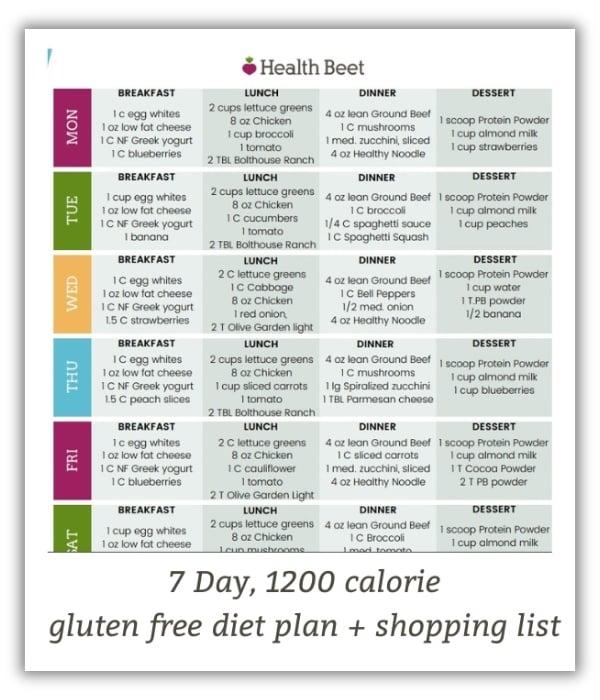
In a world brimming with fad diets and quick-fix solutions, embarking on a weight loss journey can often feel overwhelming. Yet, at the heart of this journey lies a simple truth: sustainable weight loss isn’t just about restricting calories or cutting out entire food groups—it’s about crafting a personalized meal plan that nourishes both body and soul. “” invites you to explore the art and science of creating meal plans that align with your unique lifestyle and goals. Whether you’re looking to shed a few pounds or make a lasting change, this guide will provide you with practical insights, nutritional strategies, and inspiring ideas to help you embrace a healthier relationship with food. Join us as we navigate through essential elements of weight loss meal planning, empowering you to build a path that leads not only to a slimmer physique but also to a more vibrant, fulfilling life.
Table of Contents
- Understanding Nutritional Basics for Lasting Weight Loss
- Balancing Macronutrients: Tailoring Your Meal Plan
- Incorporating Diverse Foods for Sustainable Satisfaction
- Meal Prep Techniques to Stay on Track and Save Time
- To Wrap It Up
Understanding Nutritional Basics for Lasting Weight Loss
Gaining a solid grasp of nutritional fundamentals is essential for anyone embarking on a weight loss journey. Understanding how macronutrients—carbohydrates, proteins, and fats—function in your body can empower you to make informed dietary choices. Each plays a unique role: carbohydrates provide energy, proteins are crucial for muscle repair and growth, and healthy fats support cellular health. Aim to build meals that incorporate these macronutrients in balanced proportions to help manage hunger and maintain energy levels. Breaking down your plate into sections can make this easy:
- 1/2 of your plate: Non-starchy vegetables (broccoli, spinach, peppers)
- 1/4 of your plate: Lean proteins (chicken, fish, tofu)
- 1/4 of your plate: Whole grains or healthy fats (quinoa, avocado, nuts)
Portion control and meal timing also play critical roles in sustainable weight loss. Eating regular meals and incorporating healthy snacks can keep your metabolism steady and prevent the urge to binge eat. A simple weekly meal plan can help you stay organized and focused on your goals. Below is an example of a one-day meal plan that illustrates balanced nutritional choices:
| Meal | Food Options |
|---|---|
| Breakfast | Oatmeal topped with berries and a dollop of yogurt |
| Lunch | Grilled chicken salad with mixed greens and vinaigrette |
| Snack | Sliced apple with almond butter |
| Dinner | Quinoa, roasted vegetables, and baked salmon |
Balancing Macronutrients: Tailoring Your Meal Plan
Successful weight loss hinges on understanding the role of macronutrients—carbohydrates, proteins, and fats—in your diet. Each of these components plays a unique part in fueling your body, and striking the right balance is essential for achieving your weight loss goals. Consider customizing your meal plan with a focus on the following criteria:
- Protein: Supports muscle maintenance and keeps you feeling satiated.
- Carbohydrates: Provides necessary energy, especially if you’re active.
- Fats: Essential for hormone production and nutrient absorption.
To create a meal plan that fits your lifestyle, aim for a macronutrient distribution that aligns with your body’s needs. For example, a common starting point is the 40-30-30 rule, where 40% of your calories come from carbohydrates, 30% from protein, and 30% from fats. Adjustments may be required based on your energy levels, activity intensity, and personal preferences.
| Macronutrient | Suggested Percentage | Example Foods |
|---|---|---|
| Carbohydrates | 40% | Quinoa, brown rice, fruits |
| Proteins | 30% | Chicken, tofu, legumes |
| Fats | 30% | Avocado, nuts, olive oil |
Incorporating Diverse Foods for Sustainable Satisfaction
Embracing a variety of foods is essential for not only nurturing your body but also for creating a sustainable approach to weight loss. Experimenting with different ingredients can keep your meals exciting and packed with necessary nutrients. Consider incorporating the following food types into your meal plans:
- Whole Grains: Foods such as quinoa, brown rice, and farro provide essential fiber that aids digestion and keeps you full.
- Colorful Vegetables: Incorporating a range of veggies like bell peppers, kale, and carrots ensures a wide spectrum of vitamins and minerals.
- Plant-Based Proteins: Include lentils, chickpeas, and edamame for protein sources that are low in calories and rich in nutrients.
- Healthy Fats: Avocados, nuts, and olive oil can add flavor and improve satiety, making your meals more satisfying.
Utilizing seasonal ingredients not only promotes sustainability but also enhances the freshness and taste of your meals. In addition to this, a balanced plate ensures you are neither overly restricted nor bored with your dietary choices. Here’s a simple breakdown of a potential weekly meal plan featuring diverse ingredients:
| Day | Breakfast | Lunch | Dinner |
|---|---|---|---|
| Monday | Oatmeal with Berries | Quinoa Salad with Veggies | Stir-fried Tofu and Broccoli |
| Tuesday | Smoothie with Spinach | Chickpea Wrap | Baked Salmon with Asparagus |
| Wednesday | Avocado Toast | Lentil Soup | Stuffed Peppers with Brown Rice |
Meal Prep Techniques to Stay on Track and Save Time
One of the most effective ways to stay on track with your weight loss goals is by embracing meal prep. This technique not only saves time during your busy week but also helps you make healthier choices. Start by dedicating a few hours each week to plan and prepare your meals. Choose nutrient-dense foods like lean proteins, whole grains, and a variety of fruits and vegetables. Invest in quality storage containers and portion your meals according to your dietary needs. Consider these options for efficient meal prep:
- Batch Cooking: Prepare large quantities of a single dish that can be enjoyed throughout the week.
- Pre-portioning Snacks: Pack healthy snacks in grab-and-go bags to curb cravings.
- Freezing Meals: Cook and freeze meals in advance for busy days.
To streamline your meal prep further, create a simple menu for the week with a shopping list. This not only prevents you from impulse buying but also ensures you have everything you need on hand. Including a meal prep schedule can keep you organized and accountable. You can even build a basic table to design a clear outline for your meals, like this:
| Day | Breakfast | Lunch | Dinner |
|---|---|---|---|
| Monday | Overnight oats | Grilled chicken salad | Quinoa and roasted veggies |
| Tuesday | Greek yogurt with fruit | Tuna wrap | Lentil soup |
| Wednesday | Smoothie bowl | Chickpea salad | Stir-fried tofu with broccoli |
To Wrap It Up
As we embark on the journey towards healthier living, it’s essential to remember that crafting your path to slim isn’t just about achieving a number on the scale; it’s about fostering a sustainable relationship with food and cultivating an empowered mindset. The effective weight loss meal plans discussed throughout this article serve as a foundation upon which you can build your personalized approach to wellness.
With the tools you’ve gained, start experimenting, adjusting, and finding what best suits your lifestyle and preferences—after all, the best meal plan is one that nourishes both body and soul. As you move forward with your own unique journey, keep in mind that every small step counts, and every healthy choice contributes to the bigger picture of your overall well-being.
So, gather your ingredients, embrace your creativity in the kitchen, and make the commitment to nourish not just your body, but also your spirit. Your path to slim is not merely a destination, but a vibrant adventure filled with learning, growing, and thriving. Here’s to your journey—may it be rich with flavor, vitality, and joy.