


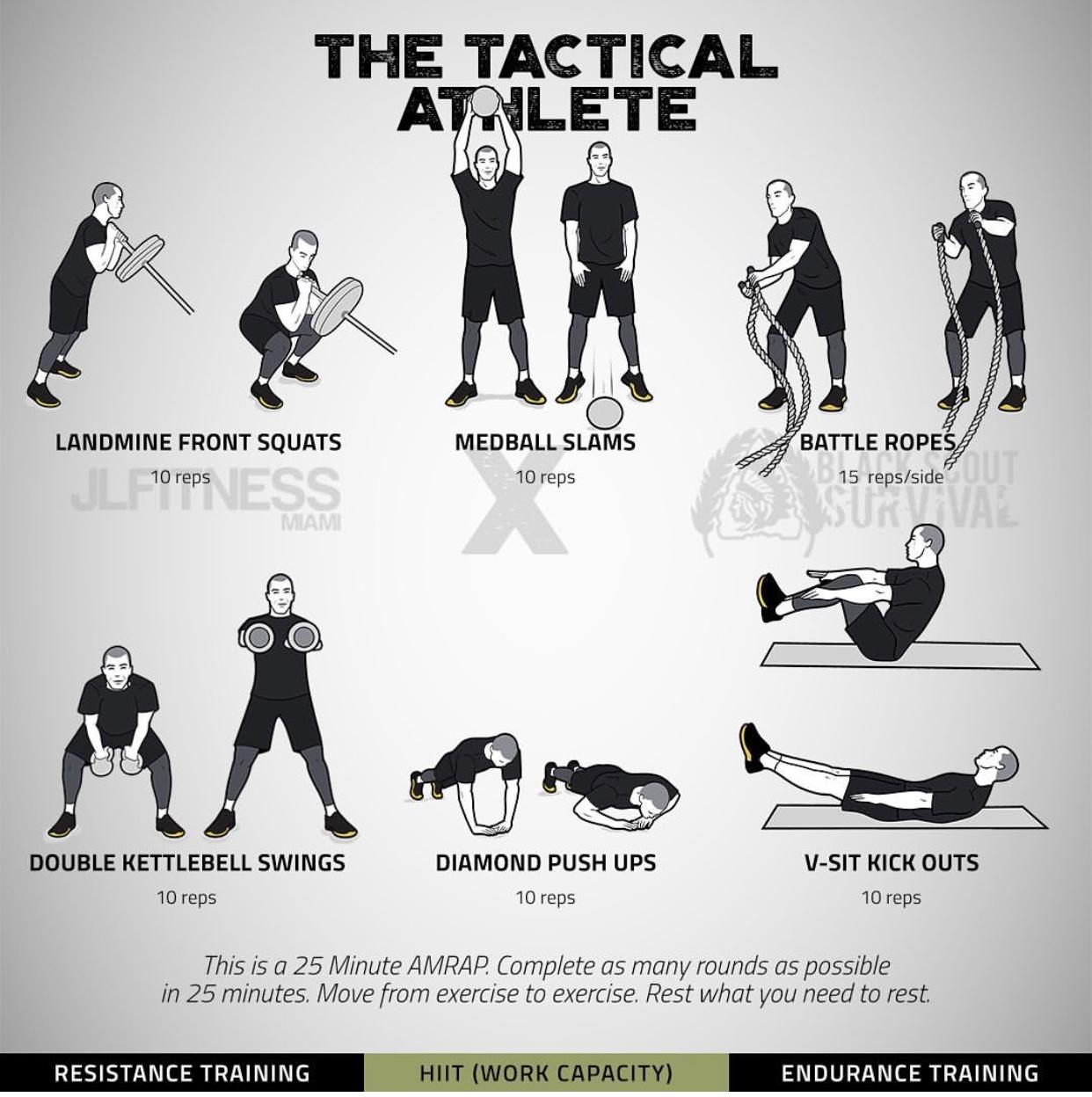
In the realm of sports performance, the importance of tailored workout routines cannot be overstated. Athletes require training programs that are specifically designed to meet their unique physical demands, optimize their skills, and enhance their overall performance. Effective workout routines consider various factors such as the athlete’s sport, position, fitness level, and individual goals. This article explores the principles of creating customized training regimens that address the diverse needs of athletes across different disciplines. By examining key components such as strength, endurance, flexibility, and recovery, this discussion aims to provide a comprehensive framework for developing effective workout strategies that can lead to improved athletic performance and reduced risk of injury.
Table of Contents
- Understanding the Unique Physical Demands of Various Sports
- Key Components of an Effective Athlete-Specific Workout Routine
- Injury Prevention Strategies Through Customized Training
- Monitoring Progress and Adjusting Routines for Optimal Performance
- Closing Remarks
Understanding the Unique Physical Demands of Various Sports
Each sport presents its own set of physical challenges that demand tailored training routines. For instance, endurance sports like running and cycling require athletes to develop exceptional cardiovascular capacity and muscular endurance. In contrast, team sports such as basketball or soccer emphasize agility, quick reactions, and dynamic strength to navigate the constantly changing environment of a game. These variations highlight the need for personalized workouts that not only enhance performance but also minimize injury risks associated with over-training specific muscle groups.
Furthermore, different sports engage distinct muscle groups and energy systems, necessitating varying recovery strategies and nutrition plans. Combat sports require explosive power and increased flexibility, while water sports demand core stability and swimming-specific muscle coordination. Therefore, recognizing these unique demands enables coaches and athletes to devise targeted workout strategies, which can include:
- Strength training to build specific muscle groups
- Interval training to improve speed and endurance
- Flexibility and mobility work to enhance range of motion
- Sport-specific drills to simulate real-game scenarios
Key Components of an Effective Athlete-Specific Workout Routine
An effective athlete-specific workout routine hinges on several key components that ensure it meets the unique demands of their respective sport. Assessments and Evaluations are crucial first steps, allowing trainers and athletes to identify individual strengths, weaknesses, and areas requiring improvement. Subsequently, goal setting becomes essential; defining clear and measurable objectives helps maintain motivation and provides a structured path for progression. A focus on functional training — exercises that mimic the movements required in the sport — enhances performance and reduces injury risk. The incorporation of progressive overload ensures that athletes continuously challenge their bodies, promoting strength and endurance growth over time.
In addition to these elements, variety in workouts can prevent boredom and stave off plateaus. This can be achieved through a mix of aerobic and anaerobic exercises that engage different energy systems, alongside plyometrics to improve explosive power. Moreover, attention to rest and recovery is paramount; dedicated recovery periods and deload weeks allow athletes’ bodies to repair and adapt, ultimately leading to improved performance. The integration of nutrition plans tailored to an athlete’s specific needs further enhances their ability to maintain energy levels and recover efficiently, illustrating the holistic approach required for a well-rounded training regimen.
Injury Prevention Strategies Through Customized Training
Incorporating customized training programs can significantly reduce the risk of injuries for athletes. By assessing individual strengths, weaknesses, and movement patterns, trainers can design workouts that not only enhance performance but also focus on injury prevention. Key strategies include:
- Dynamic Warm-Ups: Engaging in tailored warm-up routines prepares the body for high-intensity activities.
- Strength Training: Targeting specific muscle groups helps support joints and prevents overuse injuries.
- Mobility Exercises: Enhancing flexibility can improve overall movement efficiency and decrease muscle tightness.
- Balance and Coordination Drills: These exercises are crucial for developing proprioception, thus minimizing fall risks.
Additionally, monitoring athletes’ training loads through tailored programs is essential to avoid physical burnout and injuries. A well-structured training plan might include an evaluation of:
| Training Component | Frequency | Duration |
|---|---|---|
| Strength Training | 3 times a week | 60 minutes |
| Cardiovascular Conditioning | 4 times a week | 30-45 minutes |
| Skill-Specific Drills | 2 times a week | 90 minutes |
| Recovery Sessions | 1-2 times a week | 30 minutes |
Monitoring Progress and Adjusting Routines for Optimal Performance
Monitoring progress is essential for athletes aiming to enhance their performance and reach their goals. This involves regularly assessing various metrics such as strength, endurance, flexibility, and skill level. Keeping track of these indicators can help identify patterns and areas needing improvement. Key strategies include:
- Regular Assessments: Conduct fitness evaluations every few weeks to quantify progress.
- Data Tracking: Utilize apps or journals to record workouts, noting weight lifted, distance run, and time taken.
- Feedback Loop: Gather insights from coaches or trainers to refine techniques and modalities.
Adjusting workout routines in response to the findings is equally important. Tailoring your approach based on progress allows athletes to push their limits effectively. Consider implementing the following practices:
- Varied Training Regimens: Rotate exercises and intensities to address different fitness components.
- Recovery Intervals: Ensure adequate rest periods to prevent overtraining and allow muscle recovery.
- Goal Reassessment: Periodically revisit your objectives to align training routines with evolving aspirations.
| Metric | Initial Measurement | Current Measurement | Change |
|---|---|---|---|
| Squat Max | 150 lbs | 175 lbs | +25 lbs |
| 5K Time | 22:00 mins | 20:30 mins | -1:30 mins |
| Flexibility (Sit and Reach) | 12 inches | 15 inches | +3 inches |
Closing Remarks
designing effective workout routines that cater to the specific needs of athletes requires a comprehensive understanding of their sport-specific demands, physical conditioning, and individual goals. By incorporating a balanced approach that includes strength training, cardiovascular conditioning, flexibility work, and recovery strategies, athletes can enhance their performance and reduce the risk of injury. Furthermore, ongoing assessment and adaptation of these routines are essential for optimizing results over time. Ultimately, a tailored workout regimen not only supports athletic performance but also contributes to the overall well-being and longevity of the athlete’s career. As the landscape of sports science continues to evolve, staying informed and responsive to the latest research will empower athletes and coaches to achieve their full potential.