


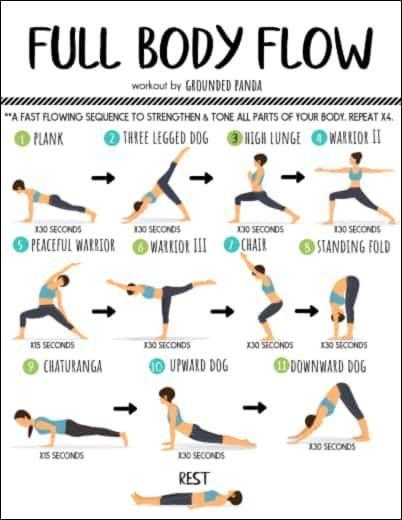
In recent years, yoga has emerged as a popular form of exercise, appealing to a diverse range of practitioners for its physical, mental, and emotional benefits. As an ancient practice rooted in Indian philosophy, yoga encompasses a variety of postures, breathing techniques, and meditation methods that promote overall well-being. This article aims to explore the numerous advantages of incorporating yoga workouts into one’s fitness routine, including enhanced flexibility, strength, and stress reduction. Furthermore, it will outline various techniques and styles of yoga, providing insights into how individuals can effectively integrate these practices into their lives. By examining the multifaceted benefits and methods of yoga, readers will gain a clearer understanding of its role in supporting a holistic approach to health and fitness.
Table of Contents
- Understanding the Physical Benefits of Yoga Workouts
- Enhancing Mental Well-Being Through Yoga Practices
- Techniques for Effective Yoga Workouts
- Integrating Yoga into Daily Routines for Optimal Results
- The Conclusion
Understanding the Physical Benefits of Yoga Workouts
Yoga workouts offer a myriad of physical benefits that extend beyond mere flexibility and strength. Engaging in regular practice can significantly enhance muscle tone, promoting a balanced physique. Furthermore, yoga emphasizes breath control, which improves lung capacity and overall cardiovascular health. With various poses that challenge different muscle groups, it can lead to improved posture and spinal alignment, reducing back pain and the risk of injury. Additionally, yoga encourages mindfulness and body awareness, which can translate to better movement efficiency in everyday activities.
Incorporating diverse yoga styles can amplify these physical benefits. For example, practices such as Hatha or Vinyasa focus on dynamic movements that increase strength, while Yin yoga targets deeper connective tissues, enhancing joint health. Below is a simplified table summarizing key physical benefits associated with different yoga styles:
| Yoga Style | Primary Benefit |
|---|---|
| Hatha | Increased flexibility |
| Vinyasa | Improved strength and stamina |
| Yin | Enhanced joint health |
| Ashtanga | Building muscle endurance |
| Kundalini | Heightened awareness and energy flow |
Enhancing Mental Well-Being Through Yoga Practices
Yoga is a comprehensive practice that encompasses physical, mental, and spiritual aspects, making it a potent tool for enhancing emotional health. By integrating breath control, mindfulness, and physical postures, practitioners can create a harmonious balance within themselves. This balance often leads to increased resilience against stressors and a greater sense of clarity. Engaging in regular yoga practices can cultivate a state of relaxation, reduce anxiety, and facilitate a positive outlook on life. Many individuals report that yoga helps them develop better emotional responses and manage daily challenges with ease.
Incorporating specific yoga techniques can further enhance mental well-being. For instance, the practice of Meditation allows for deeper self-reflection and awareness, while Pranayama (breath control) practices can profoundly impact emotional regulation. Additionally, including restorative poses such as Child’s Pose or Legs-Up-The-Wall can nurture a sense of calm and safety. Below is a simple overview of effective yoga techniques that promote mental health:
| Technique | Benefit |
|---|---|
| Meditation | Enhances focus and emotional stability |
| Pranayama | Reduces anxiety and promotes relaxation |
| Restorative Poses | Encourages deep relaxation and stress relief |
| Mindfulness Practices | Increases awareness and presence in daily life |
Techniques for Effective Yoga Workouts
To maximize the benefits of yoga workouts, incorporating a variety of techniques can greatly enhance the experience. Mindfulness is one essential technique, encouraging practitioners to focus on their breath and be present in each pose. This awareness not only improves physical posture but also facilitates mental clarity. Additionally, the use of breathing techniques, such as Ujjayi breath or Pranayama, can enrich the practice by promoting relaxation and reducing stress levels.
Another effective approach is to integrate sequencing, which refers to the order of postures in a workout. Thoughtfully structured sequences help to prepare the body for more challenging asanas while ensuring proper alignment and flow. Combining static postures with dynamics, such as movement-initiated transitions, can enhance flexibility and strength. To offer a clearer understanding, the following table outlines some beneficial techniques and their corresponding advantages:
| Technique | Benefits |
|---|---|
| Mindfulness | Improves focus and mental clarity |
| Breathing Techniques | Reduces stress and promotes relaxation |
| Sequencing | Prepares body for deeper poses |
| Dynamic Transitions | Enhances flexibility and coordination |
Integrating Yoga into Daily Routines for Optimal Results
Incorporating yoga into daily routines can significantly enhance physical and mental well-being, ultimately leading to optimal results. Setting aside just 15-30 minutes each day can create a space for mindfulness and relaxation, helping to clear the mind and center thoughts. Consider integrating short yoga sessions into specific times of the day, such as:
- Morning Breather: Start your day with gentle stretches to wake up the body.
- Midday Break: Engage in a 5-minute session to reduce stress and re-energize for the afternoon.
- Evening Wind Down: Conclude the day with restorative poses to ease tension and promote better sleep.
To track your progress and maintain motivation, it may be helpful to maintain a yoga journal. This can include reflections on personal experiences, goals, and techniques learned. An example of a simple structure for your journal could look like the following:
| Date | Duration | Poses Practiced | Mood Post-Session |
|---|---|---|---|
| 2023-10-01 | 30 min | Downward Dog, Warrior II | Relaxed |
| 2023-10-02 | 20 min | Cobra, Child’s Pose | Focused |
The Conclusion
yoga workouts offer a diverse array of benefits that extend beyond physical fitness to encompass mental and emotional well-being. By integrating various techniques, practitioners can experience improvements in flexibility, strength, and balance, as well as reductions in stress and anxiety. Whether one is a beginner or an experienced yogi, the adaptability of yoga allows individuals to tailor their practice to meet personal goals and needs. As the popularity of yoga continues to rise, further research into its benefits and methodologies can help deepen our understanding and enhance the practice for people of all ages and backgrounds. Embracing yoga could be a valuable addition to your wellness journey, promoting a holistic approach to health and vitality.