


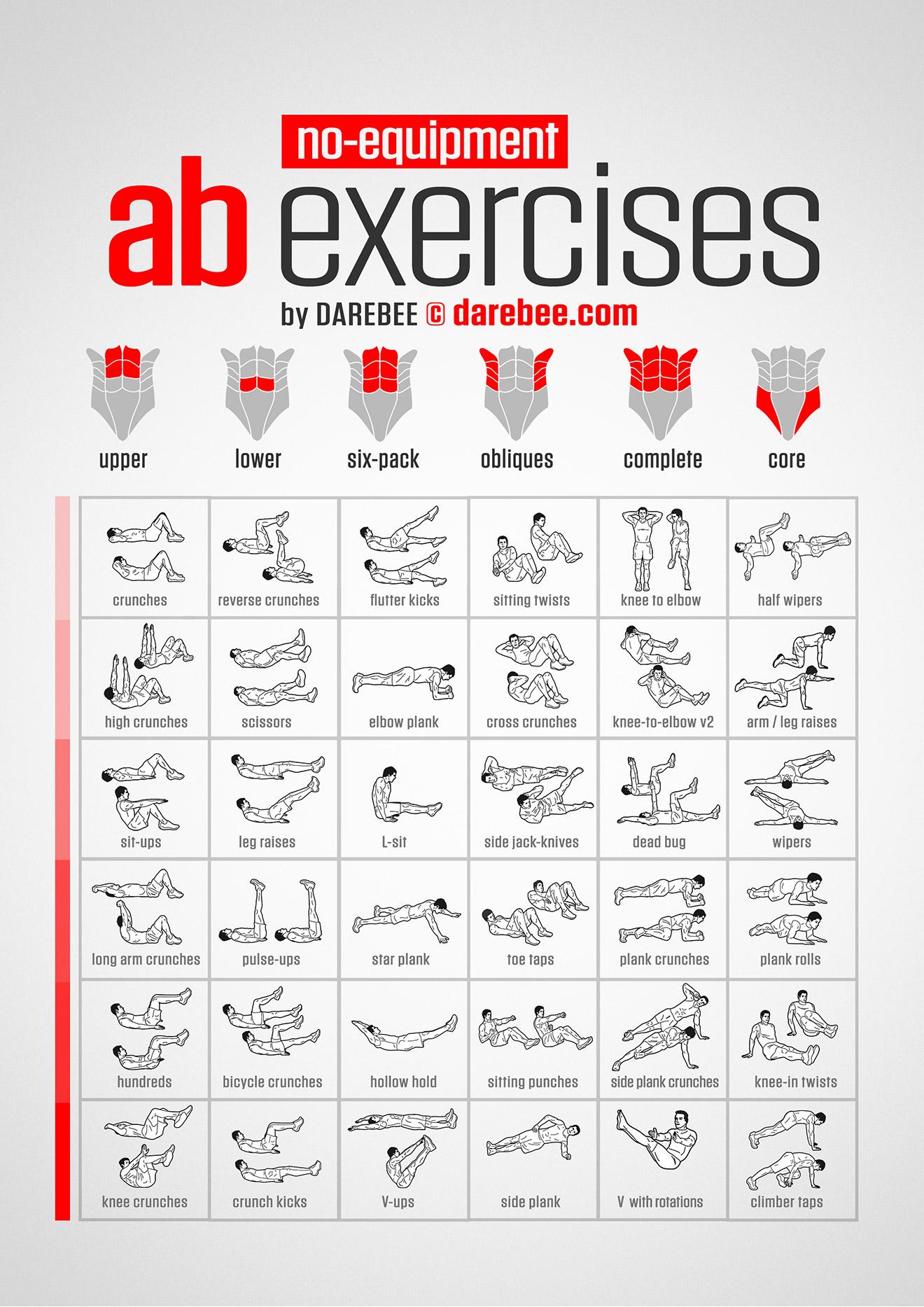
In recent years, the emphasis on core strength has gained significant attention within the fitness community. A strong core not only enhances athletic performance but also plays a crucial role in injury prevention, balance, and overall stability. Effective abs workouts are essential for building this foundational strength, which can be achieved through a variety of techniques targeting the abdominal muscles. This article explores a range of effective exercises and workout approaches designed to strengthen the core, improve muscle endurance, and promote functional fitness. By understanding the principles behind these workouts and incorporating them into a regular exercise routine, individuals can optimize their core training efforts and experience the numerous benefits associated with a robust core.
Table of Contents
- Understanding Core Anatomy and Its Importance in Strength Training
- Techniques for Engaging the Core During Workouts
- Variety in Abs Exercises for Improved Results
- Incorporating Progressive Overload in Core Strength Training
- Closing Remarks
Understanding Core Anatomy and Its Importance in Strength Training
Core anatomy encompasses a complex network of muscles and structures that play a pivotal role in maintaining overall stability and strength during physical activities. The core consists of not only the abdominal muscles but also includes the obliques, transverse abdominis, and muscles of the lower back and pelvis. Understanding these components is essential for any individual engaged in strength training, as a strong core enhances posture, reduces the risk of injury, and improves performance in various exercises. An effective core not only contributes to aesthetic appeal but serves crucial functional purposes, allowing for the transfer of power and stabilization during dynamic movements.
Focusing on core strength during workouts can lead to considerable benefits in athletic performance and everyday activities. Core strengthening exercises should aim to engage multiple muscle groups and promote dynamic stability. Incorporating a mixture of isometric and dynamic exercises will target various aspects of core functionality. Below are key muscle groups to consider when designing an abs workout:
| Muscle Group | Function | Example Exercise |
|---|---|---|
| Rectus Abdominis | Flexion of the spine | Crunches |
| Obliques | Rotation and lateral flexion | Russian Twists |
| Transverse Abdominis | Stabilization of the pelvis and lumbar spine | Planks |
| Multifidus | Spinal stability | Bird-Dog |
Techniques for Engaging the Core During Workouts
To maximize the benefits of your abs workouts, it’s essential to focus on engaging your core properly. Start by ensuring proper alignment in your body during exercises like planks or crunches. This means keeping your back straight, shoulders down, and hips aligned. Breathing techniques also play a crucial role—exhale when exerting effort and inhale when relaxing. This helps maintain tension in the core throughout the movement, leading to more effective workouts. Here are some practical techniques to implement:
- Mind-Muscle Connection: Concentrate on the muscles you’re working as you perform each exercise.
- Controlled Movements: Avoid rushing; focus on slow, deliberate movements to maximize tension.
- Varied Angles: Incorporate exercises that target the core from different angles for balanced strength.
- Isometric Holds: Include static holds like planks to build endurance.
Incorporating equipment can also enhance your core engagement. Tools like medicine balls, stability balls, and resistance bands offer an additional challenge. They not only help in activating different muscle fibers but also enhance stability, which is crucial for core strength. Below is a simple table showcasing some effective exercises with their target areas:
| Exercise | Target Area |
|---|---|
| Plank | Transverse Abdominis |
| Russian Twists | Obliques |
| Leg Raises | Lower Abs |
| Medicine Ball Slams | Full Core |
Variety in Abs Exercises for Improved Results
Incorporating a diverse range of exercises into your abs workout routine can significantly enhance your core strength and overall fitness. By targeting different muscle groups within the abdominal area, you can ensure a well-rounded development. Here are some effective exercises to include:
- Planks: These can be modified in various ways, such as side planks or plank leg lifts, to challenge both stability and strength.
- Russian Twists: This rotational movement engages the obliques, improving the strength and definition of your sides.
- Leg Raises: Hanging or lying leg raises focus on the lower abs, an often neglected area.
- Mountain Climbers: This dynamic movement not only works the abs but also elevates heart rate, aiding in fat loss.
Additionally, changing the tempo, angles, and even the equipment used can further enhance your workouts. Consider integrating some of the following variations:
| Exercise | Description |
|---|---|
| Medicine Ball Slams | Powerful full-body movement that strengthens the core. |
| Stability Ball Rollouts | Uses an unstable surface to challenge core engagement. |
| Bicycle Crunches | A classic exercise that engages both the front and side abs. |
| Toe Touches | Focuses on upper abs and improves flexibility. |
Incorporating Progressive Overload in Core Strength Training
Progressive overload is a fundamental principle that not only applies to weightlifting but also plays a crucial role in core strength training. To effectively incorporate this technique into your abs workouts, consider gradually increasing the demands placed on your core muscles over time. Here are some strategies:
- Increase Time Under Tension: Hold each plank or core-engaging exercise for longer periods.
- Add Resistance: Use weights, bands, or medicine balls during your exercises.
- Modify Exercise Difficulty: Progress from basic movements like crunches to more challenging variations like hanging leg raises or stability ball exercises.
- Enhance Workout Volume: Increase the number of sets or repetitions for each exercise as you gain strength.
To visualize your progress, consider tracking your routine using a simple table that highlights key performance metrics such as duration, repetitions, and weight. Below is an example of how to log your core workouts:
| Exercise | Repetitions | Duration (seconds) | Resistance (lbs) |
|---|---|---|---|
| Plank | N/A | 30 | N/A |
| Russian Twists | 15 | N/A | 10 |
| Hanging Leg Raises | 10 | N/A | N/A |
By consistently applying these principles, you’ll ensure that your core strength training remains effective and progressively challenges your muscles, leading to sustained growth and improved performance.
Closing Remarks
developing a strong core is essential for overall fitness and functionality. The techniques discussed in this article highlight the importance of incorporating a variety of effective abs workouts into your routine. By focusing on exercises that target different areas of the abdominal muscles and emphasizing proper form and progression, individuals can enhance their core strength. Remember that consistency, alongside a balanced diet and overall fitness regimen, plays a crucial role in achieving desired results. As you explore these techniques, always listen to your body and consider consulting with a fitness professional to tailor a program that suits your individual needs and goals. With dedication and the right approach, you can build a stronger core that supports your physical activities and contributes to your overall health.