


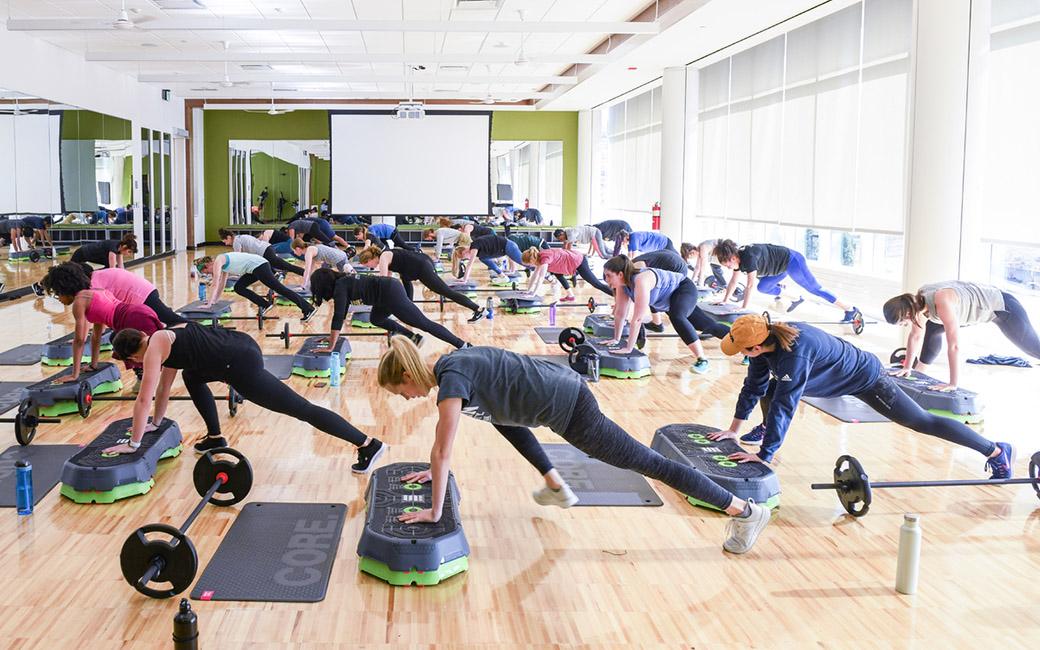
In a world where isolation increasingly defines our routines, the call for connection has never been more vital—especially when it comes to fitness. Enter “Unite & Sweat,” a transformative movement that redefines the traditional workout by bringing individuals together through the electrifying energy of group fitness. Gone are the days of solitary runs on empty treadmills or lifting weights in quiet corners of the gym. Today, communities are forming around the shared pursuit of health and wellness, where motivation flows freely and camaraderie thrives. This article explores how group fitness classes not only challenge our bodies but also nurture our spirits, fostering an environment that celebrates both personal achievements and collective triumphs. Join us as we delve into the dynamics of sweaty sessions filled with laughter, encouragement, and a sense of belonging—where every drop of sweat tells a story of perseverance and unity.
Table of Contents
- Fueling Motivation through Community Connection
- Diverse Workouts: Finding Your Perfect Fit
- Expert Guidance: The Role of Instructors in Group Fitness
- Creating a Supportive Environment for Lasting Change
- The Conclusion
Fueling Motivation through Community Connection
Engaging with a community of fitness enthusiasts not only enhances your physical performance but also nurtures a sense of belonging. When you surround yourself with others who share similar goals, the motivation to push through challenges becomes infectious. There’s something powerful about shared sweat and shared triumphs that fuels determination. Whether it’s a sunrise yoga session or an evening spin class, setting goals with a group provides accountability and encourages everyone to elevate their game. The connections formed in these environments foster a space where you can openly share struggles, celebrate victories, and inspire one another.
Moreover, group fitness creates a rich tapestry of diverse backgrounds and experiences, each contributing unique perspectives and techniques to the workout atmosphere. You’re not just purchasing a workout; you’re investing in a supportive network that thrives on mutual encouragement. Consider some of these benefits:
- Enhanced Commitment: Regular sessions with familiar faces keep you committed.
- Inspirational Atmosphere: Witnessing others’ progress can spark your own drive.
- Social Interaction: Making friends leads to consistency and enjoyment.
| Key Benefits | Description |
|---|---|
| Accountability | Staying committed to schedules with workout partners. |
| Variety | Different training styles keep workouts fresh and engaging. |
| Support | Emotional support during tough workouts fosters resilience. |
Diverse Workouts: Finding Your Perfect Fit
Incorporating a variety of workouts into your routine can significantly boost your motivation and results. Group fitness classes provide the perfect opportunity to explore different styles, from high-energy spinning and heart-pumping HIIT to calming yoga sessions. This diversity not only keeps your body challenged but also makes exercising a social and enjoyable experience. Whether you’re a seasoned athlete or just starting out, finding a class that resonates with your interests can be transformative. Here are a few examples of popular group workout styles:
- Zumba: A fun dance-based workout that combines Latin music with dance moves.
- Pilates: Focuses on core strength, flexibility, and overall body awareness.
- Circuit Training: A series of exercises performed in rotation to build strength and endurance.
- Boot Camp: A high-intensity program that incorporates various elements of strength and cardiovascular training.
Finding your perfect fit often requires experimentation. Many gyms and studios offer a trial period or drop-in classes, so take advantage of these opportunities to discover what you love. Attending group workouts not only enhances your fitness level but also fosters a sense of community and accountability among participants. Below is a simple guide to help you evaluate different workout options:
| Workout Style | Fitness Level | Duration |
|---|---|---|
| Zumba | All Levels | 60 minutes |
| Pilates | Beginner to Advanced | 50 minutes |
| Circuit Training | Intermediate | 45 minutes |
| Boot Camp | Advanced | 60 minutes |
Expert Guidance: The Role of Instructors in Group Fitness
In the realm of group fitness, instructors serve as the backbone of the experience, crafting an environment where motivation and camaraderie thrive. They bring a wealth of knowledge to the class, providing participants with expert advice on form, technique, and pacing. By tailoring workouts to various fitness levels and offering modifications, instructors ensure everyone can participate and benefit, fostering a sense of inclusivity. Instructors not only challenge participants but also uplift them, igniting the spirit of teamwork as they lead through encouraging words, rhythmic beats, and energizing exercises.
The impact of an instructor extends beyond the class itself; they are mentors and motivators dedicated to the growth and well-being of their participants. The following attributes exemplify their essential role:
- Personalization: Adapting workouts to individual needs
- Community Building: Creating bonds among participants
- Accountability: Encouraging consistency and commitment
Through these efforts, instructors cultivate a supportive atmosphere that transforms not just the body, but the mind, helping members to achieve their fitness goals while fostering lasting friendships.
Creating a Supportive Environment for Lasting Change
Creating a supportive atmosphere is essential in fostering lasting change, especially in a group fitness setting. When individuals come together to sweat and strive for their health goals, the synergy of shared experiences can motivate and inspire. A few key elements contribute to this environment:
- Encouragement: Verbal support and positive reinforcement can uplift participants, making them feel valued and capable of achieving their fitness targets.
- Inclusivity: Ensure that everyone feels welcomed, regardless of their fitness level. This can be achieved by offering modifications and celebrating individual achievements.
- Community Building: Organize social events outside of workouts to strengthen relationships, such as group hikes or fitness challenges.
To further enhance this supportive space, incorporating structured feedback and goal-setting can be instrumental. Regular check-ins allow participants to connect and share progress while fostering accountability among peers. Below is an example of how to effectively structure group feedback sessions:
| Feedback Element | Description |
|---|---|
| Positives | Recognize achievements and motivate the group with positive affirmations. |
| Challenges | Discuss any obstacles faced and brainstorm solutions collaboratively. |
| Goals | Create new, clear objectives, and involve the group in setting milestones. |
By establishing these elements, group fitness can evolve from mere workouts into transformative experiences that support lasting lifestyle changes.
The Conclusion
As we wrap up our exploration of “,” it’s clear that there’s power in numbers. Group fitness offers not just a workout but a shared experience, creating camaraderie and motivation that can elevate your training routine to new heights. Whether you’re a seasoned athlete or just starting out, the energy of a collective effort amplifies results, making what once felt like a solitary grind into a fun, communal journey.
As you step into your next class, remember that every drop of sweat is a testament to your progress and resilience, forged not only by individual effort but by the collective drive of those around you. So, gather your friends, embrace the rhythm of the group, and let the spirit of togetherness propel you to achieve your fitness goals. After all, in the world of fitness, unity truly creates strength—because when we sweat together, we can achieve unparalleled transformation.