


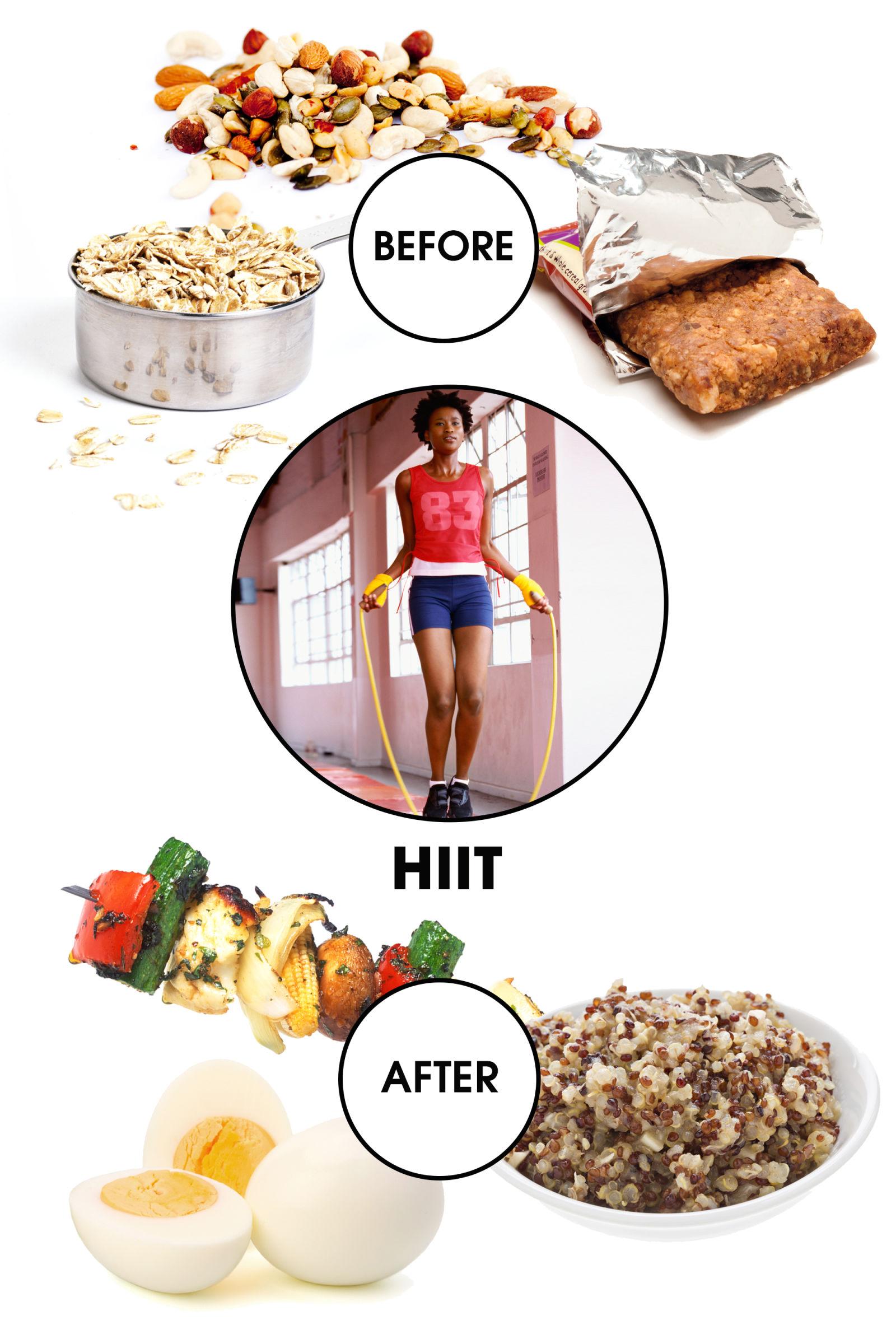
Welcome to our comprehensive guide on essential gym workout nutrition tips designed to enhance your performance and recovery. Whether you’re a seasoned athlete or just getting started on your fitness journey, the food you consume plays a crucial role in reaching your goals. Proper nutrition not only fuels your workouts but also supports muscle recovery and growth, boosts energy levels, and enhances overall well-being. In this article, we’ll delve into key nutritional strategies, food choices, and timing techniques to help you maximize your gym sessions and achieve optimal performance. Let’s explore the vital connection between what you eat and how well you perform, so you can elevate your fitness game to the next level!
Table of Contents
- Understanding Macronutrients for Athletic Performance
- The Role of Hydration in Enhancing Workout Efficiency
- Pre-Workout Fuel: Timing and Food Choices for Maximum Energy
- Post-Workout Recovery: Nutrition Strategies to Boost Muscle Repair
- Closing Remarks
Understanding Macronutrients for Athletic Performance
Macronutrients are essential nutrients that our bodies require in large amounts for optimal performance, especially in athletic endeavors. They are comprised of three primary categories: carbohydrates, proteins, and fats. Each of these macronutrients plays a vital role in fueling physical activity and facilitating recovery. For athletes, carbohydrates serve as the primary energy source, enabling endurance and strength during workouts. Foods rich in carbohydrates, such as whole grains, fruits, and vegetables, should make up a significant portion of an athlete’s diet to maintain glycogen stores.
In addition to carbohydrates, proteins are crucial for muscle repair and growth. Athletes need to ensure they consume adequate protein sources, including lean meats, dairy products, legumes, and nuts. Lastly, healthy fats are necessary for hormone production and providing long-term energy. Sources like avocados, olive oil, and fish contribute to a balanced diet. A well-structured meal plan for athletes might look like this:
| Meal Type | Carbohydrate Source | Protein Source | Fat Source |
|---|---|---|---|
| Breakfast | Oatmeal | Greek yogurt | Almonds |
| Lunch | Quinoa | Grilled chicken | Olive oil dressing |
| Dinner | Brown rice | Salmon | Avocado |
By understanding and balancing these macronutrients, athletes can tailor their diet to support both training and performance goals. Tracking macronutrient intake can be useful for ensuring that the body receives adequate nourishment to perform, recover, and thrive in physical activities.
The Role of Hydration in Enhancing Workout Efficiency
Staying well-hydrated is crucial for optimizing both your physical performance and recovery during workouts. When your body is adequately hydrated, it can regulate temperature efficiently, lubricate joints, and transport nutrients effectively to fuel your muscles. This not only enhances your endurance but also minimizes the risk of fatigue, cramping, and even injuries during your training sessions. To maintain optimal hydration levels, consider implementing the following tips:
- Drink water consistently: Aim to drink water throughout the day, rather than just during your workouts.
- Use hydration supplements if necessary: If you are engaging in prolonged or intense workouts, consider electrolyte-rich drinks.
- Monitor urine color: A light lemonade color is ideal; darker colors can indicate dehydration.
It’s also beneficial to create a personalized hydration strategy that aligns with your fitness goals. A good rule of thumb is to consume approximately 16-20 ounces of water 2-3 hours before your workout and another 8 ounces right before you start exercising. During your workout, aim to drink about 7-10 ounces every 10-20 minutes, and don’t forget to replenish fluids post-workout to aid recovery. Below is a simplified table to help guide your hydration needs:
| Activity Type | Pre-Workout Hydration | During Workout | Post-Workout |
|---|---|---|---|
| Light Exercise (e.g., walking) | 8 oz 1 hour prior | 4-6 oz every 20 min | 8-12 oz within 30 min |
| Moderate Exercise (e.g., jogging) | 16 oz 2 hours prior | 6-8 oz every 10 min | 12-16 oz within 30 min |
| Intense Exercise (e.g., HIIT) | 20 oz 2-3 hours prior | 8-10 oz every 10-15 min | 16-24 oz within 30 min |
Pre-Workout Fuel: Timing and Food Choices for Maximum Energy
To ensure optimal energy levels throughout your workout, the timing of your pre-workout meals is crucial. Aim to eat a balanced meal about 2-3 hours before exercising. This gives your body enough time to digest the food while providing a steady release of energy. For those with tighter schedules, a smaller snack 30-60 minutes prior to hitting the gym can serve as a quick energy booster. Focus on carbohydrates as your primary fuel source, paired with lean protein to support muscle function and recovery.
Choosing the right foods can significantly enhance your performance. Consider incorporating these options into your pre-workout nutrition plan:
- Oatmeal topped with sliced banana for sustained energy.
- Greek yogurt with berries for a protein-rich snack.
- Whole-grain toast with almond butter for a healthy fat boost.
- Smoothies made with spinach, banana, and protein powder for quick digestion.
Below is a simple overview of food pairings to consider:
| Food Item | Benefit |
|---|---|
| Oatmeal | Energy from complex carbs |
| Greek Yogurt | Protein for muscle support |
| Banana | Quick source of natural sugar |
| Almond Butter | Healthy fats for endurance |
Post-Workout Recovery: Nutrition Strategies to Boost Muscle Repair
After an intense workout, your body enters a crucial recovery phase where muscle repair is paramount. To accelerate this process, focus on consuming the right nutrients within the first 30 to 60 minutes post-exercise. Emphasizing a balanced intake of carbohydrates and protein can enhance glycogen replenishment and muscle synthesis. Aim for a ratio of about 3:1 carbohydrates to protein. Whole food options such as Greek yogurt with berries or a turkey sandwich on whole grain bread can serve as excellent post-workout meals. Additionally, smoothies made with banana, spinach, and protein powder provide a quick and nourishing solution.
Incorporating micronutrients into your recovery plan also plays a vital role in muscle repair. Ensure your meals are rich in vitamins and minerals, particularly vitamin C, vitamin D, and magnesium, which help reduce inflammation and improve muscle function. Hydration is equally essential; drinking water or electrolyte-rich beverages can facilitate recovery and prevent dehydration. Consider the following table for optimal food selections:
| Food Item | Key Nutrients |
|---|---|
| Quinoa | Carbohydrates, Protein, Magnesium |
| Salmon | Protein, Omega-3 Fatty Acids, Vitamin D |
| Spinach | Vitamins A, C, K, Magnesium |
| Sweet Potatoes | Carbohydrates, Vitamin A, Fiber |
| Nuts and Seeds | Healthy Fats, Protein, Vitamin E |
Closing Remarks
fueling your body with the right nutrition is just as crucial as the workouts themselves when it comes to achieving optimal performance in the gym. By focusing on balanced macronutrients, timing your meals effectively, and staying well-hydrated, you can enhance your energy levels and recovery, ultimately boosting your fitness results. Remember, every individual’s nutritional needs may vary, so it’s important to listen to your body and adjust your intake based on your personal goals and training intensity. Take the time to experiment with different foods and strategies to find what works best for you.
With these essential nutrition tips in your arsenal, you are now better equipped to conquer your workouts and elevate your athletic performance. Commit to making informed dietary choices, and watch how it transforms both your gym sessions and overall health. Here’s to reaching your fitness milestones, one nutritious bite at a time!