


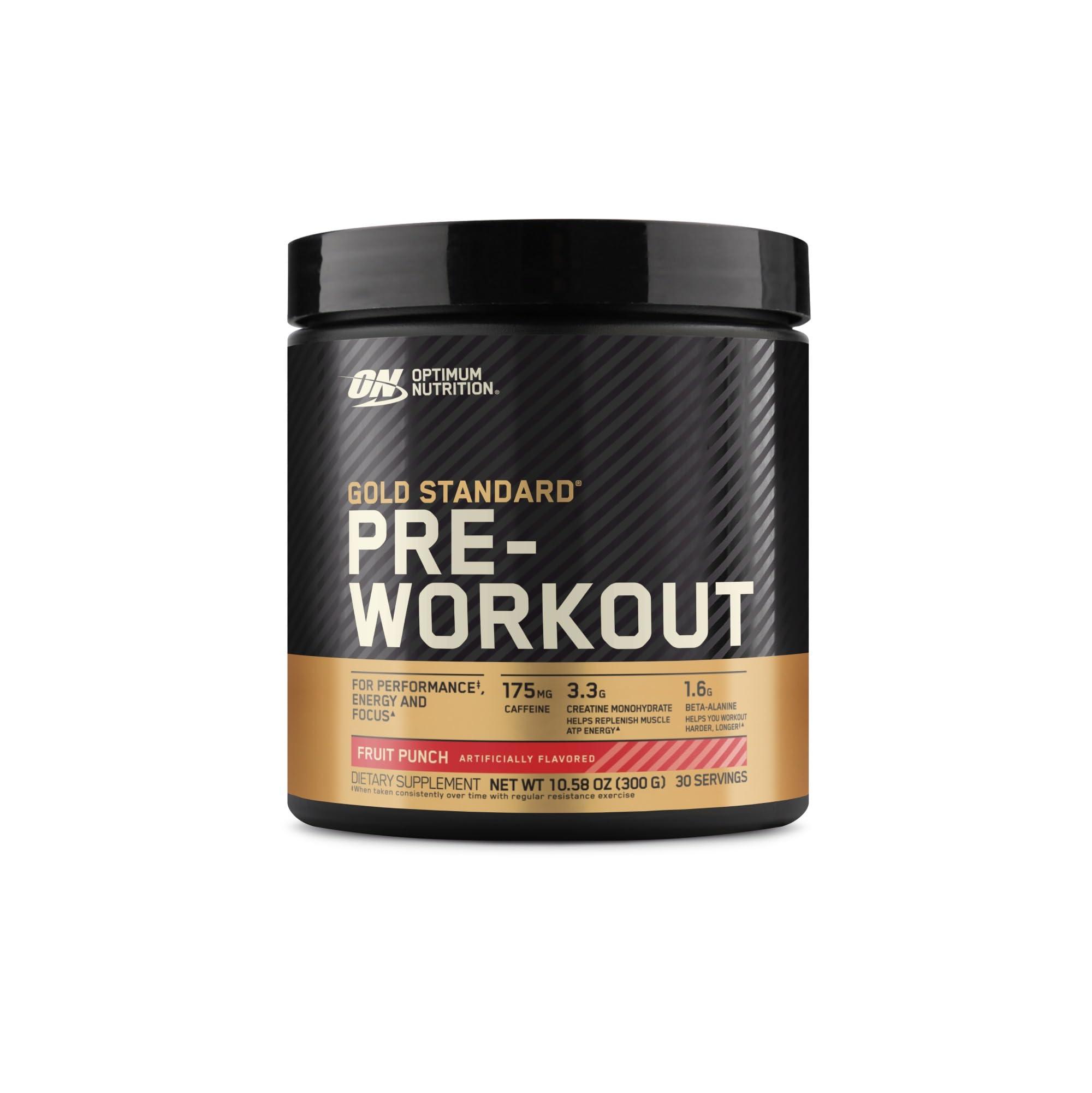
In the quest for enhanced athletic performance and improved workout experiences, pre-workout supplements have gained immense popularity among fitness enthusiasts and casual gym-goers alike. Marketed as performance boosters, these products promise increased energy, improved focus, and greater endurance—making them an alluring addition to many pre-exercise routines. However, as with any supplement, it’s essential to weigh the potential benefits against the risks. In this article, we will delve into the science behind pre-workout supplements, exploring their ingredients, effectiveness, and possible side effects. Whether you’re considering adding a pre-workout to your regimen or simply want to be informed about what’s fueling your fitness journey, understanding these supplements is crucial for making safe and informed choices.
Table of Contents
- Exploring the Key Ingredients in Pre-Workout Supplements
- Assessing the Benefits: Enhanced Performance and Energy Boost
- Identifying Potential Risks and Side Effects to Consider
- Making Informed Choices: Recommendations for Safe Usage
- The Conclusion
Exploring the Key Ingredients in Pre-Workout Supplements
Pre-workout supplements often boast a variety of ingredients aimed at enhancing performance and increasing energy levels. Among these, caffeine tends to take center stage. Known for its ability to boost alertness and reduce perceived effort, caffeine can help you push through tough workouts. Another common ingredient is beta-alanine, which plays a critical role in buffering lactic acid in muscles, potentially improving endurance. Additionally, creatine is frequently included for its proven benefits in increasing strength and muscle mass, making it a staple for those looking to maximize their gains in the gym.
Other noteworthy components often found in pre-workouts include BCAAs (branched-chain amino acids), which can help reduce muscle soreness and stimulate protein synthesis. Ingredients like citrulline malate are recognized for enhancing blood flow and reducing muscle fatigue, further contributing to workout performance. It’s also common to see the presence of vitamins and minerals, such as B vitamins for energy metabolism. As you explore the landscape of pre-workout supplements, it’s essential to consider both the potential benefits and the possible side effects that might accompany these ingredients.
Assessing the Benefits: Enhanced Performance and Energy Boost
Pre-workout supplements have gained immense popularity among fitness enthusiasts and athletes, thanks to their promise of enhanced performance and energy. These formulations typically contain a blend of ingredients aimed at increasing workout efficiency. Key ingredients commonly found in pre-workout products include:
- Caffeine – Known for its ability to boost energy and focus.
- Creatine – Supports strength and muscle gains.
- BCAAs (Branched-Chain Amino Acids) – Aid in muscle recovery and reduce soreness.
- Beta-Alanine – Helps to combat fatigue and improve endurance.
By influencing metabolism and enhancing blood flow, these supplements can significantly improve performance during rigorous workouts. Users often report longer-lasting energy levels and the ability to push through intense training sessions. Moreover, by enabling quicker recovery times between sets, pre-workouts can lead to a more effective overall workout experience. However, it’s essential to consider individual tolerance to these substances, as responses can vary greatly among users.
The following table provides a quick overview of the benefits associated with some of the most popular pre-workout ingredients:
| Ingredient | Benefit |
|---|---|
| Caffeine | Increases energy and focus. |
| Creatine | Enhances strength and power output. |
| BCAAs | Reduces muscle soreness and accelerates recovery. |
| Beta-Alanine | Improves endurance and reduces fatigue. |
Identifying Potential Risks and Side Effects to Consider
While pre-workout supplements can provide significant energy boosts and enhance performance, it is crucial to be aware of a range of potential risks and side effects associated with their use. Some individuals may experience increased heart rate or blood pressure, which can be problematic for those with preexisting conditions. Additionally, common adverse reactions include:
- Digestive issues: Bloating, stomach cramps, or diarrhea may occur, particularly with certain ingredients.
- Insomnia: High caffeine content can disrupt sleep patterns, leading to fatigue during the day.
- Nervousness or anxiety: Stimulants present in these products can amplify feelings of anxiety in sensitive individuals.
Moreover, it’s important to consider potential interactions with other medications or health conditions. For example, those taking antidepressants or blood thinners should exercise caution when using these supplements. Below is a brief overview of common ingredients and their associated risks:
| Ingredient | Common Risk |
|---|---|
| Caffeine | Increased heart rate, anxiety |
| Beta-Alanine | Skin tingling |
| Citrulline Malate | Digestive upset |
Making Informed Choices: Recommendations for Safe Usage
Using pre-workout supplements can enhance your performance, but it’s essential to prioritize safety in order to reap their benefits effectively. Before diving in, consider the following recommendations:
- Consult a healthcare professional: Speak with a doctor or a dietitian before starting any new supplement, especially if you have underlying health conditions.
- Understand ingredient labels: Familiarize yourself with common ingredients such as caffeine, beta-alanine, and creatine. Research their effects and appropriate dosages.
- Start with a lower dose: If you’re new to pre-workouts, begin with a half serving to assess your tolerance before moving to a full dose.
- Monitor your body’s reactions: Pay attention to how your body feels during and after workouts. Discontinue use if you experience negative side effects like jitters, nausea, or insomnia.
- Stay hydrated: These supplements can lead to dehydration. Ensure you drink plenty of water before, during, and after your workout.
Additionally, it’s beneficial to keep track of how pre-workouts affect your overall routine. Documenting your experiences can help you make more informed choices about continuing usage. Consider utilizing a simple tracking table to monitor various aspects:
| Workout Date | Supplement Used | Dose Taken | Body Response | Performance Level |
|---|---|---|---|---|
| 01/12/2023 | Brand A | Half serving | No side effects | Improved endurance |
| 01/14/2023 | Brand B | Full serving | Jitters | Good strength |
| 01/16/2023 | Brand A | Full serving | Fatigue post-workout | Adequate recovery |
This method allows you to assess patterns and adjust your usage accordingly, ensuring that your pre-workout regimen complements your fitness goals without compromising your health.
The Conclusion
understanding pre-workout supplements is essential for anyone looking to enhance their fitness regimen effectively and safely. While these products can offer notable benefits—such as increased energy, improved focus, and enhanced performance—they also come with potential risks that shouldn’t be overlooked. It’s crucial to approach pre-workouts with a balanced perspective: educate yourself on the ingredients, assess your individual needs, and consult with a healthcare professional if you have any concerns.
Remember, no supplement can replace a solid foundation of good nutrition, proper hydration, and a well-structured training program. By making informed choices and listening to your body, you can tap into the advantages of pre-workout supplements while minimizing any adverse effects. Whether you’re a seasoned athlete or just starting your fitness journey, knowledge is your best ally. Keep pushing towards your goals, and stay safe out there!