


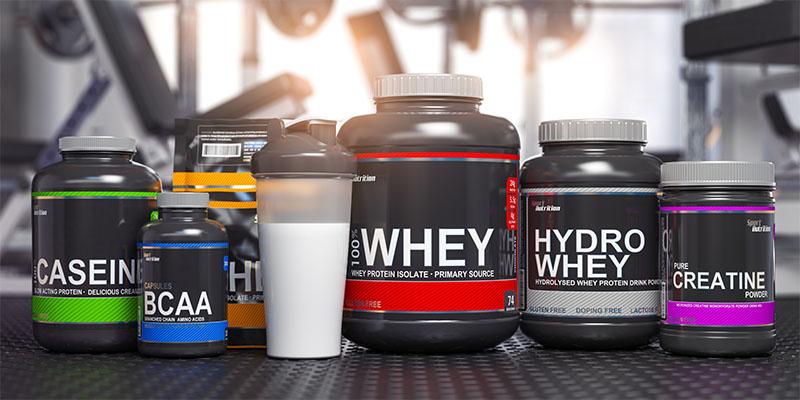
As the fitness landscape continues to evolve, so too does the plethora of products designed to enhance performance, recovery, and overall wellness. Fitness supplements have surged in popularity, promising everything from increased energy and improved muscle mass to better endurance and quicker recovery times. But with so many options available, it’s essential to navigate this complex world with a critical eye. In this article, we’ll delve into the various types of fitness supplements, explore their potential benefits, and highlight important considerations to ensure you’re making informed decisions on your fitness journey. Whether you’re a seasoned athlete or a casual gym-goer, understanding the role of supplements in your routine can help you maximize your results while prioritizing your health. Let’s uncover the facts behind the hype and find out what you really need to fuel your fitness ambitions.
Table of Contents
- Benefits of Common Fitness Supplements
- Key Ingredients to Look For in Supplements
- Potential Risks and Side Effects to Consider
- Choosing the Right Supplement for Your Fitness Goals
- The Conclusion
Benefits of Common Fitness Supplements
Fitness supplements have become integral to many workout regimens, providing a variety of benefits that can help individuals achieve their fitness goals more efficiently. Protein powders, for instance, are essential for muscle repair and growth. They offer a convenient way to meet daily protein requirements, especially for those who struggle to consume enough protein from whole foods. Additionally, BCAAs (Branched-Chain Amino Acids) can reduce muscle soreness and promote recovery after intense workouts, making them popular among athletes and fitness enthusiasts alike. Other supplements like creatine are known for enhancing strength and power output during high-intensity exercises.
On top of muscle support, many supplements offer broader benefits. Multivitamins provide a range of nutrients that can fill dietary gaps, supporting overall health and well-being. For those engaging in regular intense workouts, Omega-3 fatty acids can help reduce inflammation and improve joint health. Furthermore, pre-workout formulas often contain ingredients designed to boost energy, focus, and endurance, allowing users to maximize their training sessions. Below is a comparison table summarizing some popular fitness supplements and their primary benefits:
| Supplement | Primary Benefit |
|---|---|
| Protein Powder | Muscle repair and growth |
| BCAAs | Reduced muscle soreness |
| Creatine | Increased strength and power |
| Multivitamins | Nutritional support |
| Omega-3s | Joint health and inflammation reduction |
| Pre-workout | Enhanced energy and focus |
Key Ingredients to Look For in Supplements
When choosing fitness supplements, it’s essential to prioritize ingredients that not only support your health goals but also maintain safety and efficacy. Look for high-quality proteins, such as whey or casein, which are vital for muscle repair and growth. BCAAs (Branched-Chain Amino Acids) are another important component; they help reduce muscle soreness and enhance performance. Additionally, creatine is well-supported by research for improving strength and power during high-intensity workouts.
Incorporating natural extracts can also provide significant benefits. For example, caffeine is widely recognized for its ability to increase energy levels and enhance focus, while beta-alanine can help delay muscle fatigue. When assessing vitamins and minerals, prioritize magnesium for muscle function and recovery and vitamin D for overall health and immune support. Avoid supplements filled with unnecessary additives; choose those with a transparent label and minimal fillers to ensure a cleaner approach to your fitness journey.
Potential Risks and Side Effects to Consider
When considering fitness supplements, it’s crucial to be aware of the potential risks and side effects that may accompany their use. Supplements can interact with medications or exacerbate existing health conditions, leading to unintended consequences. Some of the commonly reported side effects include:
- Nausea and Digestive Issues: Some supplements can cause stomach upset, cramping, or diarrhea.
- Allergic Reactions: Ingredients in some supplements may trigger allergies or sensitivities.
- Sleep Disturbances: Stimulant-based products may interfere with sleep patterns.
Moreover, not all supplements are created equal, and the quality can greatly vary from brand to brand. This inconsistency poses an additional risk. To better understand these differences, consider the following table that highlights key factors:
| Factor | Potential Impact |
|---|---|
| Ingredient Quality | Impurities or inaccuracies in labeling may lead to health risks. |
| Dosage Recommendations | Overuse can lead to toxicity or adverse health effects. |
| Long-term Use | Effects of chronic use are often unknown and may pose unforeseen health risks. |
Choosing the Right Supplement for Your Fitness Goals
When it comes to selecting a dietary supplement that aligns with your fitness aspirations, it’s vital to conduct thorough research and evaluate your unique needs. Protein powders are often favored for muscle recovery, while creatine is a go-to for enhancing strength during high-intensity workouts. If weight loss is your primary objective, consider fat burners or pre-workout formulations that can help boost your metabolism and energy levels. Additionally, it’s essential to examine the ingredient lists and ensure the product is free from harmful additives or allergens. Always prioritize quality over quantity; choosing well-established brands with third-party testing can reduce the risk of consuming harmful substances.
Before making a purchase, assess your specific goals and the types of exercises you engage in. Here’s a quick guide to understanding which supplements might best complement your path:
| Fitness Goal | Recommended Supplement |
|---|---|
| Muscle Gain | Protein Powder, Creatine |
| Weight Loss | Fat Burners, Green Tea Extract |
| Endurance | BCAAs, Electrolytes |
| Overall Health | Multivitamins, Omega-3 Fatty Acids |
Ultimately, the right supplement should not only support your fitness journey but also fit seamlessly into your lifestyle and dietary preferences. Listening to your body and consulting healthcare professionals when needed can guide you in making the most informed choices on your path to success.
The Conclusion
understanding fitness supplements involves not just recognizing their potential benefits but also approaching them with a critical eye. While these products can offer a convenient boost to your fitness journey—supporting everything from muscle recovery to energy levels—they are not a substitute for a balanced diet and a solid workout regimen. Always prioritize whole foods and natural sources of nutrition first, and consider supplements as an addition to your overall health strategy rather than a primary solution.
Before incorporating any new supplement into your routine, don’t hesitate to consult with a healthcare professional or a registered dietitian. They can help you navigate the sometimes overwhelming landscape of fitness supplements based on your individual health needs and fitness goals.
As you embark on your fitness journey, stay informed and strive for balance. With the right knowledge and a thoughtful approach, you can make the most of the supplements available, enhancing your performance and well-being in a safe and effective manner. Remember, the key to lasting fitness lies in consistency, education, and mindful choices. Happy training!