


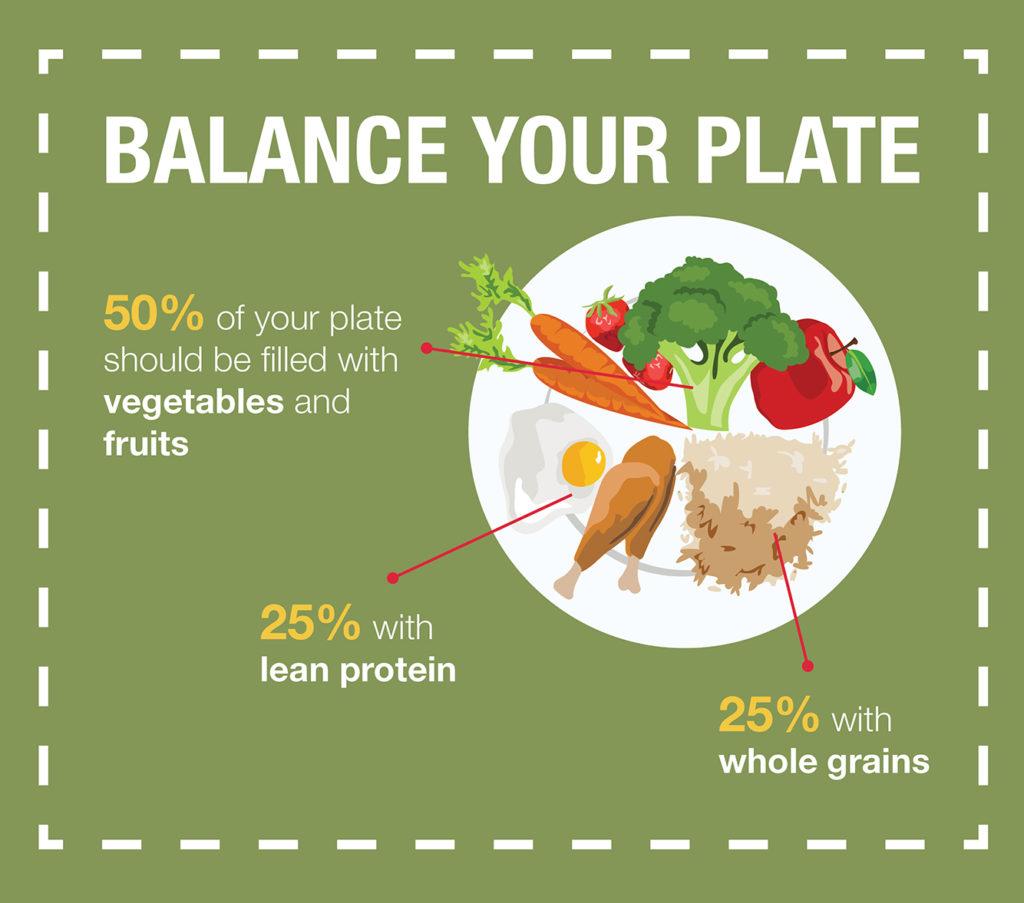
When it comes to maximizing your performance in the gym, what you put on your plate is just as important as the time you spend lifting weights or hitting the treadmill. Nutrition plays a pivotal role in fueling your workouts, aiding recovery, and ultimately helping you achieve your fitness goals. Whether you’re a seasoned athlete or a gym newbie, understanding the fundamentals of nutrition can give you the edge you need to push your limits. In this article, we’ll explore essential nutrition tips that can help enhance your workouts, optimize energy levels, and support overall health. Get ready to discover how the right fuel can transform your gym experience from ordinary to extraordinary!
Table of Contents
- Understanding Macronutrients for Optimal Performance
- Hydration Strategies to Enhance Endurance and Recovery
- Pre-Workout Nutrition: Best Foods for Energy and Focus
- Post-Workout Recovery: What to Eat for Muscle Repair and Growth
- Insights and Conclusions
Understanding Macronutrients for Optimal Performance
Macronutrients play a crucial role in achieving peak physical performance during your workouts. They comprise three main categories: carbohydrates, proteins, and fats, each serving distinct functions. Carbohydrates are your body’s primary energy source, fueling high-intensity exercises and replenishing glycogen stores. On the other hand, proteins are essential for muscle repair and growth, making them vital for anyone engaged in resistance training. Healthy fats, while often overlooked, contribute to hormone production and overall cellular health, providing sustained energy for longer, moderate-intensity workouts.
To optimize your intake of these macronutrients, it is essential to balance your diet according to your individual training goals. Consider the following guidelines:
- Carbohydrates: Aim for 45-65% of your total daily calories, focusing on whole grains, fruits, and vegetables.
- Proteins: Incorporate 10-35% of your calories from lean meats, dairy, legumes, and plant-based sources.
- Fats: Ensure that 20-35% of your calories come from healthy fats such as avocados, nuts, and olive oil.
| Macronutrient | Primary Function | Sources |
|---|---|---|
| Carbohydrates | Energy source | Whole grains, fruits, vegetables |
| Proteins | Muscle repair and growth | Meat, dairy, legumes |
| Fats | Hormone production | Nuts, avocados, oils |
Hydration Strategies to Enhance Endurance and Recovery
Staying properly hydrated before, during, and after your workouts is crucial for optimizing endurance and promoting recovery. Aim to drink water consistently throughout the day rather than just at the gym. An excellent strategy is to start your day with a glass of water upon waking up to kickstart your hydration. Electrolyte-rich beverages can also be beneficial, especially during prolonged workouts or in hot climates. Here’s how you can effectively hydrate:
- Pre-Workout: Consume 16-20 ounces of water at least an hour before exercising.
- During Workout: Sip on water or an electrolyte drink every 15-20 minutes to maintain optimal performance.
- Post-Workout: Rehydrate with 24 ounces of water for every pound lost during your workout.
To enhance recovery, strategic hydration combined with nutritional support can lead to better performance in subsequent workouts. Consider incorporating hydrating foods into your post-exercise meals. Foods high in water content, such as cucumbers, watermelon, and oranges, not only replenish fluids but also provide vitamins and nutrients necessary for recovery. Below is a simple breakdown of recovery hydration:
| Food Item | Water Content (%) | Nutrients |
|---|---|---|
| Cucumbers | 95 | Vitamin K, Potassium |
| Watermelon | 92 | Vitamins A and C, Antioxidants |
| Oranges | 86 | Vitamin C, Fiber |
Pre-Workout Nutrition: Best Foods for Energy and Focus
When it comes to maximizing your workout performance, the right pre-exercise nutrition plays a crucial role in providing the energy and focus needed to power through your routine. Aim to consume a combination of carbohydrates and protein approximately 30 to 60 minutes before hitting the gym. Carbohydrates serve as your primary fuel source, offering quick energy readily available for your muscles. Foods such as:
- Bananas - Packed with natural sugars, potassium, and fiber.
- Oatmeal – A slow-releasing carbohydrate that sustains energy levels.
- Greek Yogurt – A great source of protein that also provides carbohydrates.
Alongside carbohydrates, incorporating some light protein can enhance muscle performance and recovery. Foods such as:
- Almonds – A handful provides healthy fats and protein.
- Cottage Cheese – Perfect for a quick protein boost without feeling too heavy.
- Nut Butter – Spread it on whole-grain bread for a delicious protein-packed snack.
Consider this simple table to illustrate an effective pre-workout snack combination:
| Food Item | Benefits |
|---|---|
| Banana with Almond Butter | Quick energy and healthy fats |
| Oatmeal with Greek Yogurt | Sustained energy with protein support |
| Cottage Cheese with Sliced Peaches | Protein-rich with natural sweetness |
Choosing the right combination of foods can enhance energy levels while keeping you focused and ready for your workout. Remember to listen to your body’s needs and adjust your meal timing based on personal preferences and workout intensity.
Post-Workout Recovery: What to Eat for Muscle Repair and Growth
After an intense workout, focusing on the right foods is crucial for optimal muscle repair and growth. Consuming a combination of protein and carbohydrates within 30 minutes post-exercise can significantly enhance recovery. Aim for a ratio of 3:1 carbs to protein to replenish glycogen stores and kickstart muscle recovery. Excellent choices include:
- Protein shakes made with whey or plant-based protein
- Greek yogurt topped with fruits and honey
- Quinoa with black beans and veggies
- Hummus with whole-grain pita and chopped vegetables
In addition to proteins and carbs, don’t overlook the importance of hydration and micronutrients for recovery. Electrolytes lost through sweat must be replenished, so consider consuming foods rich in potassium and magnesium, like bananas and nuts. Here’s a simple table to guide you on effective post-workout snacks:
| Snack | Protein (g) | Carbs (g) |
|---|---|---|
| Protein Shake | 25 | 30 |
| Greek Yogurt with Berries | 20 | 25 |
| Peanut Butter on Rice Cakes | 15 | 40 |
| Chicken Wrap | 30 | 35 |
Insights and Conclusions
fueling your body with the right nutrients is crucial for maximizing your gym performance and achieving your fitness goals. By incorporating a balanced diet rich in carbohydrates, proteins, and healthy fats, and ensuring you stay hydrated, you’ll provide your muscles with the energy they need to thrive. Don’t forget to listen to your body and adjust your nutrition based on your workout intensity and individual needs. As you incorporate these essential nutrition tips into your routine, you’ll support not only your workouts but also your overall health and wellness. Remember, consistency is key; make these practices a part of your lifestyle, and watch as your strength, endurance, and recovery improve. Here’s to lifting stronger and feeling better—one nutritious meal at a time!