


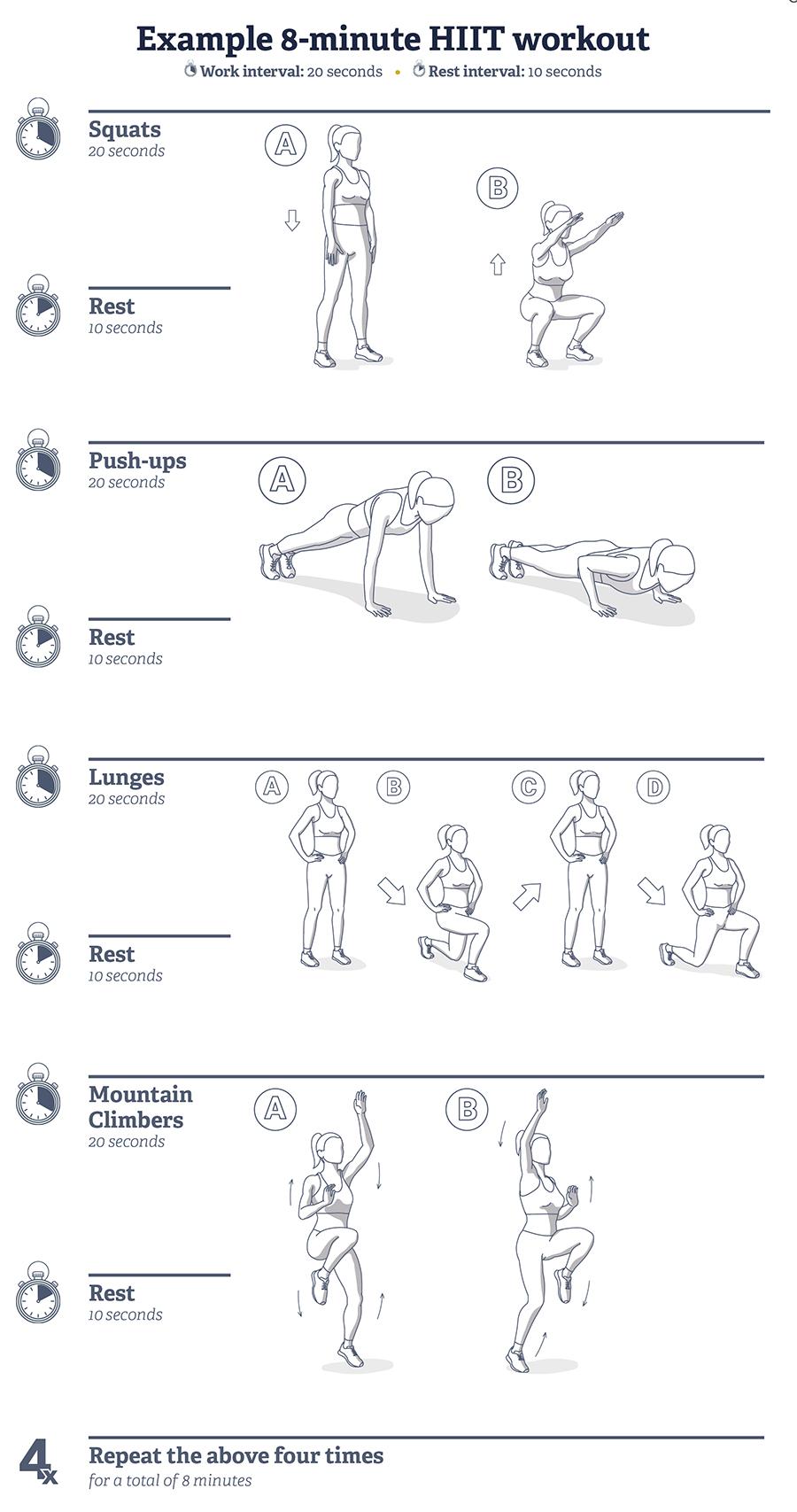
Are you tired of spending countless hours at the gym with little to show for it? If you’ve ever wondered how to get fit without sacrificing your entire day, you’re not alone! Enter High-Intensity Interval Training, or HIIT for short—a fitness trend that’s taking the world by storm. With workouts that can last anywhere from just a few minutes to half an hour, HIIT promises to rev up your metabolism and torch calories in a fraction of the time compared to traditional cardio. Whether you’re a busy professional, a parent on the go, or just someone looking to shake up your routine, this article dives into the buzz around HIIT, exploring its benefits, how it works, and why it might just be the answer to your fitness prayers. So, lace up those sneakers, and let’s jump into the world of high-intensity workouts!
Table of Contents
- The Science Behind HIIT: Why It Works So Well
- Your Ultimate HIIT Workout Guide: Tips for Beginners
- Maximizing Results: How to Balance HIIT with Recovery
- Fueling Your Body: Best Nutrition Practices for HIIT Success
- Concluding Remarks
The Science Behind HIIT: Why It Works So Well
High-Intensity Interval Training (HIIT) leverages the body’s natural processes to maximize fitness gains in a surprisingly short amount of time. By alternating between short bursts of intense activity and rest or lower-intensity periods, HIIT effectively revs up your heart rate, pushing you into anaerobic zones where the body burns fat rapidly. This shift not only increases your metabolic rate but also prompts a phenomenon known as afterburn effect, or Excess Post-Exercise Oxygen Consumption (EPOC), where your body continues to burn calories for hours post-workout. Just like that, you turn your exercise routine into a calorie-torching session that keeps on giving long after you’ve left the gym!
What makes HIIT so effective isn’t just its calorie-burning capabilities; it’s also about how it tackles fitness plateaus. By incorporating a variety of exercises—like sprinting, cycling, or bodyweight movements—you engage multiple muscle groups, fostering muscle growth and improving aerobic capacity. This approach not only keeps things exciting but also enhances your overall functional fitness, making daily activities feel easier. Here’s a quick look at some of the benefits of HIIT:
- Time-efficient: Complete workouts can be as short as 20-30 minutes.
- Increased metabolic rate: Keep burning calories long after the workout ends.
- Versatility: Can be done anywhere with minimal equipment.
- Boosts athletic performance: Improves speed, strength, and endurance.
Your Ultimate HIIT Workout Guide: Tips for Beginners
Starting a high-intensity interval training (HIIT) routine can be a game-changer for anyone looking to boost cardio fitness and tone muscle quickly. The beauty of HIIT lies in its versatility; you can tailor workouts to fit your fitness level and preference. Here are a few essential tips to get you started:
- Begin Slowly: As a beginner, focus on shorter intervals, like 20 seconds of intense work followed by 40 seconds of rest. Gradually increase the intensity and duration as your fitness improves.
- Focus on Form: Proper technique is key to preventing injuries. Prioritize body alignment and movements, regardless of how fast you’re going.
- Mix It Up: Include a variety of exercises, like burpees, jumping jacks, and mountain climbers, to keep things interesting and engage different muscles.
Tracking your progress can be motivating and instrumental as you advance. Consider maintaining a simple table to record your workouts and improvements:
| Workout Date | Exercise | Intervals (Work/Rest) | Comments |
|---|---|---|---|
| Day 1 | Burpees | 20/40 | Felt great! |
| Day 3 | Jumping Jacks | 30/30 | Need to improve endurance. |
| Day 5 | Mountain Climbers | 20/40 | Struggled but pushed through! |
Remember, the key to any fitness routine, especially HIIT, is consistency and enjoyment. Find a workout buddy or a fun playlist that keeps you motivated!
Maximizing Results: How to Balance HIIT with Recovery
Balancing high-intensity interval training (HIIT) with recovery is essential for achieving optimal fitness results while preventing injury. After a grueling HIIT session, your body needs time to repair and recharge. Consider the following strategies to strike that perfect balance:
- Listen to Your Body: Pay attention to how you feel after workouts. Fatigue, soreness, or decreased performance are signs you need more recovery.
- Plan Recovery Days: Schedule regular rest days or active recovery sessions, like gentle yoga or brisk walking.
- Prioritize Sleep: Aim for 7-9 hours of quality sleep nightly to support muscle repair and overall health.
Incorporating techniques like foam rolling, stretching, and hydration can speed up the recovery process, allowing you to maximize the benefits of HIIT without overdoing it. Here’s a simple table showcasing some effective recovery methods:
| Recovery Method | Description |
|---|---|
| Foam Rolling | Helps alleviate muscle tightness and improve circulation. |
| Stretching | Enhances flexibility and reduces muscle soreness. |
| Hydration | Maintains optimal body function and aids recovery. |
Fueling Your Body: Best Nutrition Practices for HIIT Success
When it comes to powering through those sweat-drenched HIIT sessions, the right nutrition can make all the difference. Focus on filling your plate with a mix of macronutrients to keep your energy levels high and your muscles ready to burn. Carbohydrates are your best friend here, providing the quick fuel your body craves. Aim for complex carbs like whole grains, fruits, and vegetables. Pairing them with lean proteins—think chicken, fish, or plant-based sources—helps repair muscle tissue post-workout and keeps you feeling satiated longer. Don’t forget about healthy fats from avocados, nuts, and seeds, which support overall health and hormone production.
Timing your meals around your workouts is just as crucial as what you eat. Try to eat a balanced snack or meal 1-2 hours before your HIIT session to give your body the energy it needs. Let’s look at some great pre and post-workout options:
| Pre-Workout Snack | Post-Workout Meal |
|---|---|
| Banana and almond butter | Grilled chicken with quinoa and spinach |
| Greek yogurt with berries | Salmon with sweet potatoes and broccoli |
| Whole grain toast with avocado | Vegetable stir-fry with tofu and brown rice |
Staying hydrated is another key element—it can’t be overlooked! Drink water throughout the day and consider a sports drink that replenishes electrolytes during longer sessions. So remember, fueling your body with the right foods and timing them well is essential for maximizing your HIIT results. Your future self will thank you for it!
Concluding Remarks
As we wrap up our deep dive into the world of High-Intensity Interval Training (HIIT), it’s clear that this fitness trend is more than just a passing fad. With its promise of effective workouts packed into short bursts, HIIT offers a flexible and efficient way to get fit fast—a win-win for anyone juggling a busy schedule. Whether you’re looking to torch calories, build endurance, or just shake up your fitness routine, HIIT has something for everyone.
So, why not give it a shot? With a little creativity, you can mix and match exercises to keep things fresh and exciting. Just remember to listen to your body, stay hydrated, and most importantly, have fun with it! Fitness isn’t a one-size-fits-all journey, but with HIIT, you have the tools to make your workouts not only effective but also enjoyable.
Thanks for joining us on this HIIT journey! Now, get out there and feel the burn—your future self will thank you!