


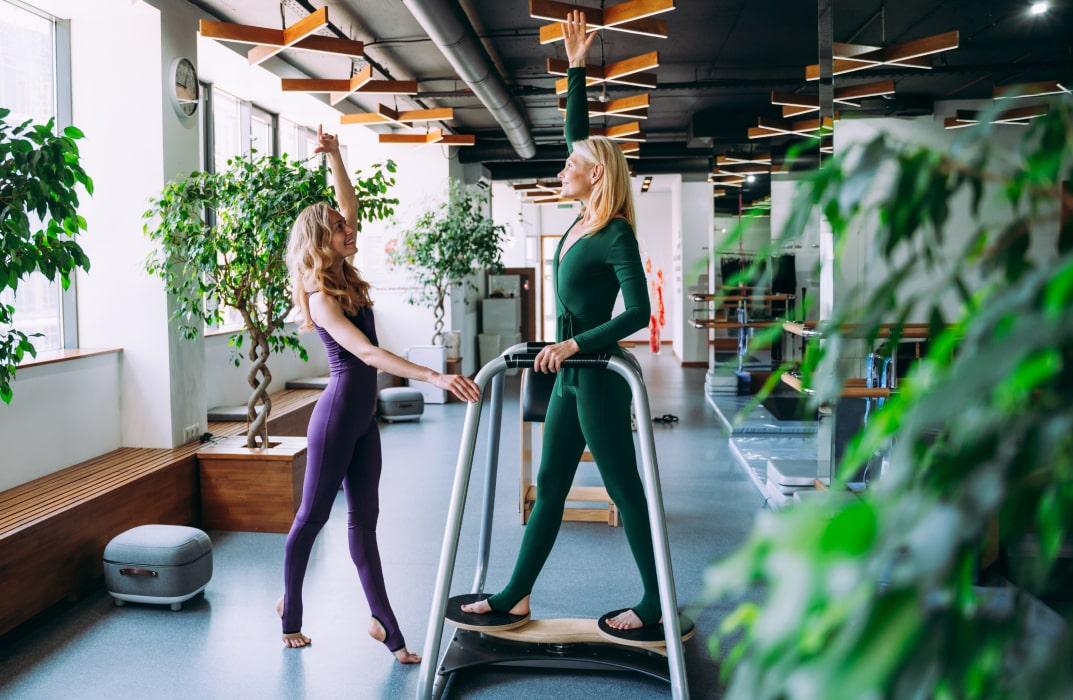
In an era where the pursuit of wellness intertwines with a profound awareness of our planet’s health, a new movement is gaining momentum in the world of fitness. Gone are the days when gym enthusiasts turned a blind eye to the environmental impact of their routines. Today, a growing collective of athletes, trainers, and eco-conscious individuals are redefining what it means to be fit—by nurturing not only their bodies but also the Earth. “Greener Gains” invites us to explore the innovative practices and sustainable choices that are reshaping the fitness landscape. From biodegradable yoga mats to outdoor workouts that harness the beauty of nature, this article delves into the myriad ways we can cultivate our physical strength while championing a greener future. Join us as we uncover the compelling intersection of health and environmental stewardship, where every drop of sweat contributes not just to personal goals but to the well-being of our shared home.
Table of Contents
- Exploring Sustainable Workout Equipment for a Greener Gym Experience
- Enhancing Natures Energy: Outdoor Fitness and Its Environmental Benefits
- Mindful Nutrition: Choosing Local and Organic Foods for Optimal Performance
- Building Community Through Eco-Conscious Group Activities and Challenges
- To Wrap It Up
Exploring Sustainable Workout Equipment for a Greener Gym Experience
As more individuals seek to combine their fitness journeys with environmentally conscious choices, the market has responded with an array of sustainable workout equipment that aligns with eco-friendly values. From biodegradable yoga mats to weights made of recycled materials, the potential for greener workout options is extensive. Here are some key categories of equipment to consider:
- Yoga Gear: Look for mats crafted from natural rubber or TPE, which are free from toxic chemicals and sustainable to produce.
- Resistance Bands: These can be made from recycled materials, offering a lightweight and flexible solution without compromising on durability.
- Eco-friendly Dumbbells: Opt for weights made from reclaimed metals or woods, reducing the environmental impact of manufacturing new products.
In addition to these innovative materials, brands have started to embrace sustainable manufacturing processes. Investing in equipment that promotes longevity and reduces waste not only benefits the environment but also enhances the user’s workout experience. Below is a brief overview of some popular eco-friendly brands that are leading the charge:
| Brand | Product | Material |
|---|---|---|
| Manduka | Yogitoes Mat | Biodegradable materials |
| PRISM | Eco Bands | Recycled rubber |
| Sunset | Wooden Dumbbells | Reclaimed wood |
Enhancing Natures Energy: Outdoor Fitness and Its Environmental Benefits
Taking your fitness routine outdoors not only invigorates your body and mind but also contributes significantly to environmental well-being. When you engage in open-air workouts, you’re shedding the constraints of synthetic gym spaces and embracing the natural world surrounding you. This shift supports pollution reduction by minimizing the carbon footprint typically associated with indoor facilities. By opting for outdoor activities, individuals reduce their reliance on energy-intensive equipment and transportation, fostering a healthier symbiosis between fitness practices and environmental stewardship.
Moreover, working out in nature promotes a direct connection to the ecosystem, inspiring a desire to protect it. Activities like hiking, cycling, and yoga in parks or along scenic trails encourage community engagement with local green spaces. This awareness often leads to collective efforts toward conservation and sustainability, as fitness enthusiasts become advocates for the environment. Some of the surprising benefits of outdoor fitness include:
- Improved air quality: Natural environments typically have lower pollution levels.
- Enhanced mental wellness: Nature exposure has been linked to reduced stress and anxiety.
- Community spirit: Exercising in public spaces fosters connections and encourages cooperative clean-up efforts.
In collective efforts to maintain these spaces, communities can organize local clean-up events alongside fitness classes, serving as a reminder that personal and planetary health are interconnected. Here’s a simple overview of eco-friendly fitness practices that can contribute to a greener planet:
| Fitness Practice | Environmental Impact |
|---|---|
| Trail Running | Minimizes carbon emissions compared to driving to a gym. |
| Cycling | Reduces fossil fuel consumption and improves air quality. |
| Outdoor Yoga | Fosters mindfulness and respect for nature’s beauty. |
| Group Fitness in Parks | Encourages community participation in environmental actions. |
Mindful Nutrition: Choosing Local and Organic Foods for Optimal Performance
Incorporating mindfulness into your diet can significantly enhance your physical and mental performance. Opting for local and organic foods not only supports sustainable farming practices but also fuels your body with the freshest, least processed ingredients. This approach fosters a deeper connection to what you consume, promoting an awareness of how food affects your energy levels and overall well-being. Consider focusing on these benefits when planning your meals:
- Enhanced Nutritional Quality: Organic foods are often richer in vitamins, minerals, and antioxidants, essential for optimal performance.
- Reduced Environmental Impact: Supporting local farmers and organic practices reduces your carbon footprint and contributes to biodiversity.
- Seasonal Variety: Eating locally encourages you to explore different seasonal foods, keeping your meals exciting and diverse.
When selecting the right foods, being mindful of sourcing not only helps you perform better but also aligns with eco-friendly fitness practices. Incorporating a variety of colorful, plant-based options can enhance your nutrient intake and recovery. Here’s a simple guide to some popular local and organic choices:
| Food | Nutritional Benefit |
|---|---|
| Spinach | Rich in iron, essential for energy production. |
| Blueberries | Packed with antioxidants to combat exercise inflammation. |
| Quinoa | A complete protein source, great for muscle repair. |
Building Community Through Eco-Conscious Group Activities and Challenges
Incorporating eco-conscious group activities into your fitness routine not only enhances personal health but also strengthens community bonds. Organizing events that promote sustainability while encouraging physical activity can transform park clean-ups, community gardens, or outdoor yoga sessions into vibrant social gatherings. By engaging in these eco-friendly initiatives, participants foster a sense of responsibility for their local environment, creating shared goals that resonate beyond the exercise itself. Here are some examples of activities that can motivate your community:
- Nature Walks: Organize guided hikes that explore local flora and fauna while discussing environmental conservation.
- Beach Clean-Up Challenges: Pair fitness goals with ecological efforts by challenging participants to collect trash while they walk or run along the shore.
- Community Gardening Days: Encourage members to plant vegetation that supports local biodiversity and beautifies communal spaces.
Setting up friendly challenges can further amplify participation and enthusiasm. Create a monthly leaderboard to track progress on eco-friendly habits such as recycling, reducing waste, and opting for sustainable transport. Friendly competition not only motivates individuals but also creates a community-wide sense of achievement. The following table outlines some engaging eco-challenges to implement:
| Challenge | Goal | Duration |
|---|---|---|
| Green Miles | Walk, bike, or jog using sustainable transport | 1 Month |
| Waste Watch | Reduce personal waste footprint | 2 Weeks |
| Plant Power | Grow herbs or vegetables in your garden | 3 Months |
To Wrap It Up
As we lace up our sneakers and step onto the path of fitness, it’s essential to recognize that our journey toward well-being doesn’t have to tread lightly on the planet. Embracing eco-friendly fitness practices not only enhances our physical health but also ensures a sustainable future for generations to come. By integrating simple, green habits into our routines—be it opting for reusable water bottles, supporting local produce for nutrition, or engaging in outdoor activities that celebrate our natural surroundings—we can create a harmonious balance between personal gains and environmental stewardship.
In this evolving landscape of wellness, let us become champions of a cause that extends beyond the gym, drawing strength from the earth beneath our feet and the air that fuels our passion. Together, we can sculpt a healthier body, nurture our communities, and foster a planet that thrives alongside our own aspirations. So, as we wrap up our exploration of greener gains, remember: every choice we make is a step toward a more sustainable lifestyle—and a powerful stride for the future.