


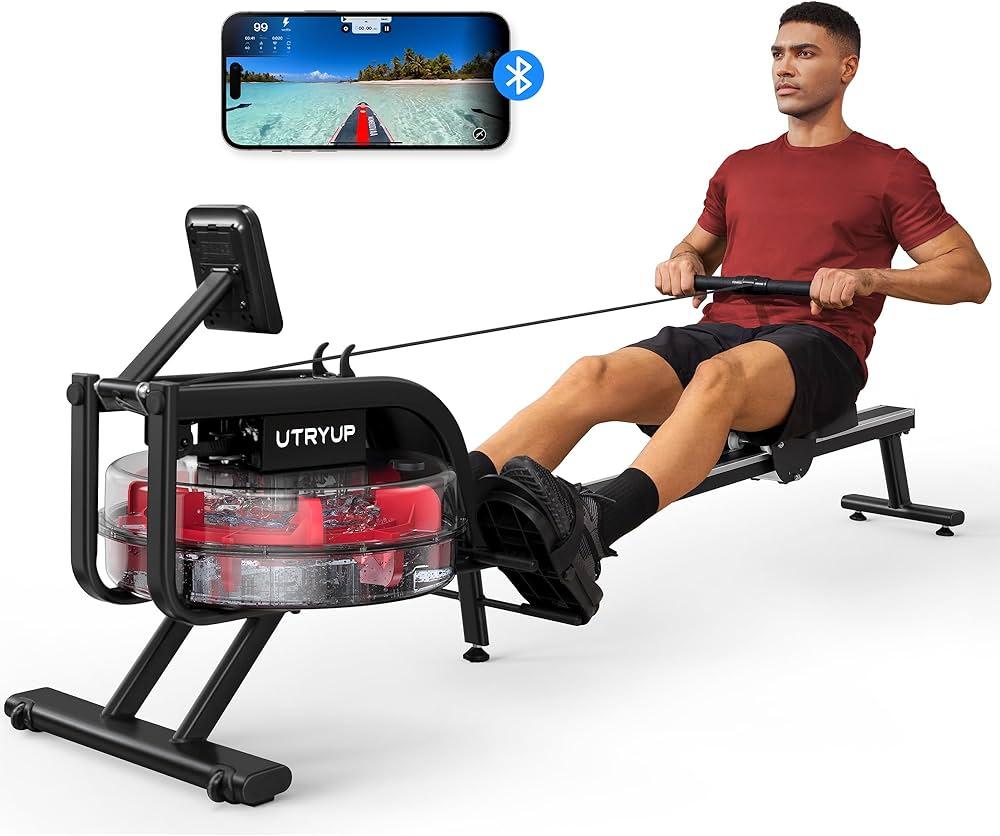
In a world where fitness trends constantly ebb and flow, one machine stands out for its unique ability to mimic the fluid grace of rowing while delivering a full-body workout: the rowing machine. Often viewed merely as a tool for building upper body strength, this versatile piece of equipment offers much more than meets the eye. Imagine gliding seamlessly across an endless lake, the rhythmic pull of the oars in sync with your heartbeat, even as you remain firmly planted on solid ground. In this article, we will explore innovative and engaging cardio routines that elevate your rowing machine workout from the mundane to the exhilarating. Whether you’re a seasoned athlete or a curious beginner, discover how to harness the power of water—without ever getting wet—and transform your fitness routine into a dynamic experience that keeps you coming back for more. Dive in and let’s master the water together!
Table of Contents
- Exploring the Benefits of Rowing Machines for Cardiovascular Health
- Innovative Techniques to Enhance Your Rowing Experience
- Crafting the Perfect Rowing Routine for Any Fitness Level
- Maximizing Efficiency: Tips for Optimal Rowing Workouts
- To Conclude
Exploring the Benefits of Rowing Machines for Cardiovascular Health
Rowing machines offer a dynamic workout that engages multiple muscle groups, making them an excellent choice for improving cardiovascular health. When you row, you’re not just working your arms; you’re also utilizing your back, legs, and core. This full-body engagement means that your heart rate increases significantly, promoting efficient circulation and improving endurance. The rhythmic motion of rowing mimics the natural flow of water, providing a low-impact alternative that minimizes stress on the joints while delivering a robust calorie burn and enhancing overall fitness levels.
Incorporating rowing into your exercise routine can yield several impressive benefits. Consider the following:
- Increased lung capacity: Regular rowing helps to enhance your respiratory strength and efficiency.
- Improved muscle tone: The resistance of the rowing machine tones muscles in various parts of the body.
- Boosted metabolism: This high-intensity workout ramps up your metabolism, supporting weight loss and management.
- Enhanced mental well-being: The meditative quality of rowing can reduce stress and promote mental clarity.
For those who thrive on measurable outcomes, tracking your performance can add an engaging layer to your rowing experience. Below is a simple comparison table that highlights various rowing intensities and their corresponding benefits:
| Intensity Level | Calories Burned (per 30 min) | Heart Rate |
|---|---|---|
| Light | 200 | 60-70% of max |
| Moderate | 300 | 70-80% of max |
| High | 400 | 80-90% of max |
By varying intensity, you can tailor your rowing sessions to meet personal health goals, making this versatile exercise a cornerstone of effective cardiovascular training.
Innovative Techniques to Enhance Your Rowing Experience
Transform your rowing machine workouts with innovative techniques that add both excitement and challenge to your routine. One effective method is interval training, where you alternate between high-intensity rows and moderate-paced recovery periods. This not only boosts your cardiovascular endurance but also enhances calorie burn. To implement, consider employing a schedule like:
| Interval Type | Duration | Intensity Level |
|---|---|---|
| High-Intensity | 30 seconds | 90% effort |
| Recovery | 1 minute | 60% effort |
Another technique to consider is circuit training, which integrates different rowing drills to target various muscle groups, making your session more dynamic. Create a flow of exercises combining rowing sprints, core workouts, and upper body strength moves, such as:
- Row for 500 meters
- 10 push-ups
- Row for 250 meters
- 15 bodyweight squats
Completing this circuit multiple times will not only keep your heart rate elevated but also ensure a comprehensive workout that emphasizes both strength and stamina.
Crafting the Perfect Rowing Routine for Any Fitness Level
Developing a rowing routine that suits various fitness levels is essential for maximizing your workout effectiveness. Start with a warm-up that lasts between 5 to 10 minutes, focusing on light rowing at a low resistance. This prepares your muscles and increases blood flow. For beginners, consider following a structured workout that includes intervals, such as alternating between one minute of moderate rowing and 30 seconds of high-intensity rowing. More experienced rowers might aim for longer intervals or incorporate endurance sessions that span 20 to 30 minutes, maintaining a steady pace. Here are some suggestions to keep in mind:
- Adjust the resistance: Beginners can start with low resistance to master form, while advanced rowers can crank it up for strength training.
- Incorporate variety: Use different workout formats like steady-state rowing, pyramid intervals, or even team challenges to stay motivated.
- Track your progress: Use a fitness tracker or the rowing machine’s performance monitor to record distance and time, allowing for goal-setting.
To make sure you’re not overdoing it, plan your weekly routine effectively. For example, you may alternate days of intense rowing with low-impact cross-training activities like cycling or swimming. Here’s a simple weekly layout for various fitness levels:
| Day | Beginner | Intermediate | Advanced |
|---|---|---|---|
| Monday | 30 min steady-state | 20 min intervals | 40 min endurance |
| Wednesday | 15 min warm-up + 15 min technique | 30 min pyramid intervals | 30 min high-intensity |
| Friday | 30 min low-intensity | 40 min mixed rows | 60 min long-distance |
Maximizing Efficiency: Tips for Optimal Rowing Workouts
To make the most of your rowing workouts, focus on incorporating interval training into your sessions. By alternating between high-intensity bursts and lower-intensity recovery periods, you can significantly enhance both your stamina and strength. Consider trying the following interval workout:
- Warm-up: 5 minutes at a steady pace
- Work: 1 minute at maximum effort
- Recover: 2 minutes at a light pace
- Repeat: 5-10 times, followed by a cool-down
Additionally, pay attention to your technique and posture. Maintaining the correct form not only optimizes your performance but also reduces the risk of injury. Here are some key points to remember:
- Keep your back straight and core engaged.
- Drive through your legs and let your arms follow.
- Finish with a strong pull, ensuring the handle stays close to your body.
| Technique Tips | Benefits |
|---|---|
| Back straight | Prevents injury and encourages efficient stroke |
| Core engaged | Enhances power and stability |
| Handle close | Ensures effective energy transfer |
To Conclude
As we conclude our exploration of unique cardio routines on the rowing machine, it’s clear that this versatile piece of equipment offers far more than just a straightforward workout. From the rhythmic glide across the water to the invigorating burn of a full-body exercise, rowing is a multifaceted experience that adapts to varied fitness levels and preferences.
To truly master the water, you need to embrace the fluidity of movement, challenged by innovative routines that keep your sessions fresh and exciting. As you experiment with interval training, steady-state rows, and strength-building techniques, remember that the journey doesn’t just shape your body—it also cultivates mental resilience and a profound sense of accomplishment.
So, whether you’re an experienced oarsman or a newcomer eager to dive in, take these unique routines to heart and let them steer you toward your fitness goals. The water awaits, and with each stroke, you’ll find yourself not just mastering the machine, but also embarking on a rewarding voyage of self-discovery and vitality. Happy rowing!