


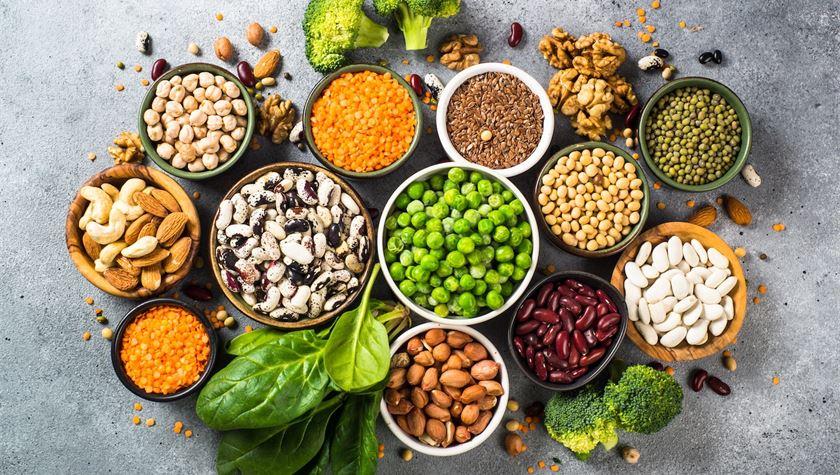
In a world inundated with fad diets and conflicting nutritional advice, the quest for effective fat loss often feels like navigating a labyrinth of misinformation. Yet, behind the pulsing heart of this pursuit lies a fundamental truth: nourishing the body is the key to sustainable fat loss. “” delves into the intricate relationship between what we eat and how our bodies respond, unveiling the hidden mechanisms that not only promote fat reduction but also enhance overall well-being. This article seeks to illuminate the pathways to a balanced and nourishing diet, transcending the fleeting allure of restrictive eating habits and fostering a holistic approach to health. Join us as we explore the vital components of a nourishing diet that supports your fat loss journey, encourages resilience, and ultimately empowers you to thrive.
Table of Contents
- The Science Behind Fat Loss: Understanding Macronutrients and Their Roles
- Eating for Success: Meal Planning Strategies That Promote Sustained Fat Loss
- Superfoods for Weight Management: Incorporating Nutrient-Dense Options into Your Diet
- The Power of Hydration: How Water Impacts Your Metabolism and Fat Loss Journey
- Concluding Remarks
The Science Behind Fat Loss: Understanding Macronutrients and Their Roles
To embark on a successful fat loss journey, it’s crucial to understand the pivotal roles that macronutrients play in our diets. Macronutrients—comprised of proteins, carbohydrates, and fats—are the building blocks of nutrition, each serving unique functions. Proteins are essential for muscle repair and growth, providing the body with the necessary amino acids to maintain lean muscle mass, which is vital for effective fat burning. Fats, often misunderstood, are crucial for hormone production and the absorption of fat-soluble vitamins. Meanwhile, carbohydrates serve as the body’s primary energy source, fueling our daily activities and workouts. Knowing how to balance these macronutrients can enhance metabolic efficiency and support sustainable fat loss.
When structuring your diet for optimal fat loss, consider focusing on the quality and source of each macronutrient. Emphasizing whole, nutrient-dense foods can significantly impact your progress. Here are some suggestions:
- Proteins: Opt for lean meats, fish, legumes, and dairy alternatives.
- Carbohydrates: Choose whole grains, fruits, and vegetables over refined options.
- Fats: Incorporate healthy fats from avocados, nuts, seeds, and olive oil.
To help visualize this balance, refer to the following table, which illustrates an ideal macronutrient distribution for fat loss:
| Macronutrient | Percentage of Daily Caloric Intake |
|---|---|
| Proteins | 25% |
| Carbohydrates | 45% |
| Fats | 30% |
Eating for Success: Meal Planning Strategies That Promote Sustained Fat Loss
To achieve lasting fat loss, meal planning is essential for cultivating a sustainable approach to nutrition. Incorporating whole foods rich in nutrients is key. A well-rounded diet that includes a variety of fruits, vegetables, lean proteins, and healthy fats can help you not only feel satiated but also energized. Consider these strategies for effective meal planning:
- Batch Cooking: Prepare meals in advance to avoid impulsive eating and to ensure healthy options are readily available.
- Mindful Shopping: Create a grocery list that focuses on nutritious foods while avoiding processed items.
- Portion Control: Use smaller containers for meals and snacks to help regulate portion sizes and prevent overeating.
It’s also beneficial to track your meals in order to stay accountable. Using a simple meal tracker can help identify patterns and make adjustments as needed. Here’s a quick overview of a sample weekly meal framework:
| Day | Breakfast | Lunch | Dinner |
|---|---|---|---|
| Monday | Oatmeal with berries | Grilled chicken salad | Quinoa and roasted vegetables |
| Tuesday | Greek yogurt with nuts | Lentil soup | Stir-fried tofu with broccoli |
| Wednesday | Smoothie with spinach and banana | Tuna wrap with whole-grain bread | Baked salmon and asparagus |
This table serves as a foundation to build on, allowing modifications based on preferences and seasonal produce. By staying organized and intentional about your food choices, you will empower not just your fat loss journey, but also cultivate a healthier relationship with food.
Superfoods for Weight Management: Incorporating Nutrient-Dense Options into Your Diet
Incorporating superfoods into your daily meals can significantly enhance your weight management efforts. These nutrient-dense options are typically low in calories yet high in essential vitamins, minerals, and antioxidants, which support overall health while promoting fat loss. Consider adding the following superfoods to your diet for a flavorful and nutritious boost:
- Quinoa: A complete protein that keeps you full and satisfied.
- Chia seeds: Packed with fiber and omega-3 fatty acids for optimal heart health.
- Leafy greens: Spinach, kale, and other greens are low in calories and high in nutrients.
- Berries: Rich in antioxidants, berries can satisfy your sweet tooth while supporting weight loss.
- Greek yogurt: High in protein, it helps curb appetite and promotes muscle recovery.
For a balanced approach to nourishing fat loss nutrition, aim to create meals that integrate these superfoods while considering your overall dietary patterns. A simple way to visualize your daily intake is by utilizing a meal planning table that highlights your superfood choices:
| Meal | Superfood | Health Benefit |
|---|---|---|
| Breakfast | Chia seed pudding | Boosts omega-3 intake |
| Lunch | Quinoa salad | Complete protein source |
| Snack | Berries | Antioxidant-rich energy boost |
| Dinner | Stir-fried leafy greens | Nutrient-dense low-calorie option |
The Power of Hydration: How Water Impacts Your Metabolism and Fat Loss Journey
Hydration plays a crucial role in your body’s metabolic processes. When we think of boosting metabolism, we often focus on diet and exercise, but water is equally significant. By drinking adequate amounts of water, you can enhance your metabolic rate, allowing your body to burn calories more efficiently. Studies have shown that even mild dehydration can slow down your metabolism, making it more challenging to lose fat. Here’s how hydration can amplify your efforts:
- Promotes Thermogenesis: Water helps generate heat in the body, which can elevate your calorie expenditure.
- Aids Digestion: Proper hydration ensures efficient digestion, allowing your body to utilize nutrients effectively and preventing bloating.
- Regulates Appetite: Often, our bodies confuse thirst for hunger; staying hydrated can help control cravings.
Integrating a hydration strategy into your weight loss regimen can be transformative. As you increase your water intake, consider incorporating foods with high water content, such as fruits and vegetables, into your meals. This dual approach not only boosts hydration but also enriches your diet with essential nutrients. Take a look at the comparison below to see how different food choices can impact your hydration levels:
| Food Item | Water Content (%) |
|---|---|
| Watermelon | 92% |
| Cucumber | 95% |
| Strawberries | 91% |
| Spinach | 91% |
Concluding Remarks
unlocking the secrets of nourishing fat loss nutrition is akin to discovering a treasure map leading you toward a healthier, more vibrant life. By focusing on whole, nutrient-dense foods, embracing mindful eating practices, and cultivating a balanced relationship with your meals, you put yourself on a path where nourishment meets results. Remember, the journey to achieving your nutrition goals is not just about shedding pounds; it’s about fostering a lifestyle that celebrates your body and fortifies your well-being. Embrace the process, stay curious, and allow your newfound knowledge to guide you toward sustainable changes that resonate with your personal health aspirations. The door to transformative nutrition is wide open—step through and let your adventure begin.