


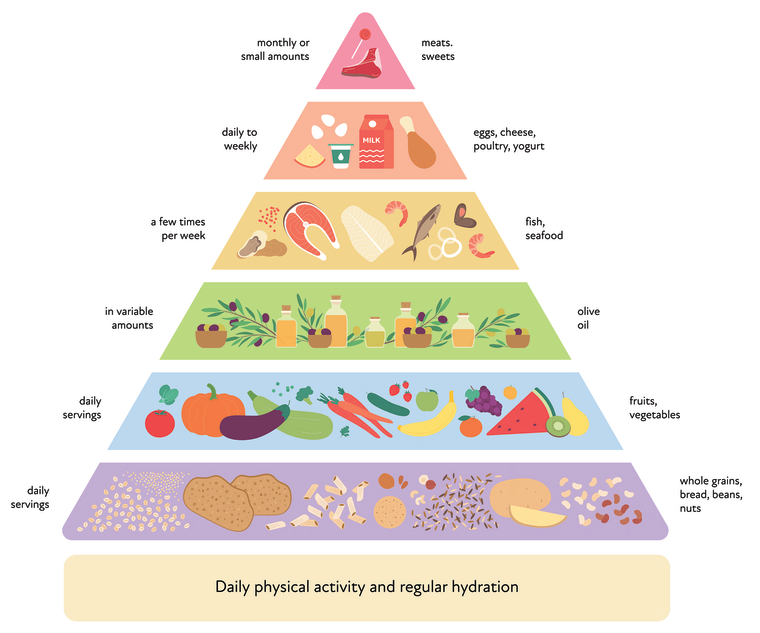
In a world where health fads come and go, the Mediterranean Diet stands as a timeless treasure, celebrated not only for its nutritional benefits but also for its vibrant tapestry of flavors. Originating from the coastal regions of southern Europe, this diet invites you to embark on a culinary journey that marries wholesome ingredients with rich cultural traditions. With an emphasis on fresh fruits, vegetables, whole grains, and healthy fats, it offers a delicious and sustainable approach to eating that has captured the hearts and palates of many. In this article, we will delve into the principles of the Mediterranean Diet, uncover its numerous health benefits, and explore how this flavorful path can lead to lasting wellness. Join us as we navigate the sun-drenched landscapes and age-old recipes that have made this diet a beloved lifestyle choice for generations.
Table of Contents
- Embracing Fresh Ingredients: The Heart of Mediterranean Cooking
- Balancing Fats and Flavors: Key Components of the Diet
- Nourishing the Mind and Body: Health Benefits Beyond the Plate
- Simple Swaps for a Mediterranean Lifestyle: Practical Tips for Everyone
- Wrapping Up
Embracing Fresh Ingredients: The Heart of Mediterranean Cooking
At the core of Mediterranean cooking lies an unwavering commitment to fresh, seasonal ingredients that celebrate the rich tapestry of flavors and textures found throughout the region. By prioritizing local produce, herbs, and spices, chefs and home cooks alike achieve a harmony that enhances the natural essence of food. The vibrant colors and aromas of ingredients such as ripe tomatoes, crisp cucumbers, and fragrant basil not only tantalize the senses but also lay a foundation for a diet brimming with nutrients. This approach fosters a cuisine that is both nourishing and exciting, allowing for endless variations and creativity in every meal.
Moreover, the emphasis on variety is paramount in Mediterranean meals, inviting an array of ingredients onto the plate. Staples like whole grains, legumes, and a selection of fresh fish provide essential proteins and healthy fats that are naturally low in unhealthy trans fats. Here’s a glimpse of some commonly used ingredients that contribute to the essence of Mediterranean cooking:
| Ingredient | Nutritional Benefit |
|---|---|
| Olive Oil | Rich in monounsaturated fats |
| Chickpeas | High in protein and fiber |
| Eggplant | Low in calories, high in antioxidants |
| Feta Cheese | Source of calcium and probiotics |
Balancing Fats and Flavors: Key Components of the Diet
In the Mediterranean lifestyle, the harmonious blending of fats and flavors creates a culinary experience that is both satisfying and healthful. This diet emphasizes the use of healthy fats, particularly from sources such as olive oil, nuts, and fatty fish. These essential fats not only contribute to the rich taste of traditional Mediterranean dishes but also offer numerous health benefits, including improved heart health and reduced inflammation. By integrating these flavorful fats into meals, one can experience a variety of tastes while nourishing the body.
Moreover, the Mediterranean diet is characterized by an abundance of fresh ingredients that add depth and vibrancy to each dish. Herbs and spices replace heavy sauces, allowing the natural flavors of vegetables, legumes, and grains to shine through. Here are some key components that elevate the diet:
- Fresh Vegetables: Tomatoes, bell peppers, and leafy greens
- Whole Grains: Quinoa, brown rice, and whole wheat pasta
- Lean Proteins: Fish, poultry, legumes, and nuts
- Herbs and Spices: Basil, oregano, garlic, and cumin
By balancing these components, the Mediterranean diet not only enhances flavor but also promotes overall wellness. To illustrate the variety and freshness, consider the following table that showcases popular dishes and their key ingredients:
| Dish | Main Ingredients |
|---|---|
| Greek Salad | Tomatoes, cucumbers, olives, feta cheese, olive oil |
| Ratatouille | Zucchini, eggplant, bell peppers, onions, herbs |
| Grilled Salmon | Salmon, lemon, garlic, parsley, olive oil |
Nourishing the Mind and Body: Health Benefits Beyond the Plate
Embracing a Mediterranean lifestyle goes far beyond the enjoyment of vibrant flavors and an array of colorful dishes. This dietary pattern fosters holistic wellness, enhancing both mental and physical health through a synergy of nutrients and mindful eating practices. Research suggests that those who follow this diet often experience improved mood and cognitive function, attributed to the abundance of omega-3 fatty acids, antioxidants, and vitamins found in foods like fatty fish, leafy greens, and nuts. Shifting focus from restrictive diets to a more abundant, diverse food landscape can elevate one’s mindset, promoting a sense of satisfaction and well-being.
Furthermore, the Mediterranean diet emphasizes social connections and the enjoyment of meals with family and friends, creating a communal dining experience that can strengthen relationships and foster emotional resilience. Engaging in mindful eating allows for greater appreciation of food, which can reduce stress and enhance overall life satisfaction. By incorporating staples such as whole grains, legumes, and healthy fats into daily meals, you not only nourish your body but also cultivate a balanced approach to eating that complements an active lifestyle.
| Food Group | Key Benefits |
|---|---|
| Fruits & Vegetables | Rich in vitamins, minerals, and antioxidants |
| Whole Grains | Promote heart health and digestion |
| Nuts & Seeds | Provide healthy fats for brain function |
| Fish & Seafood | Sustainably sourced protein rich in omega-3s |
Simple Swaps for a Mediterranean Lifestyle: Practical Tips for Everyone
Embracing a Mediterranean lifestyle doesn’t require a complete kitchen overhaul. You can start with some simple ingredient swaps that pack your meals with flavor while boosting nutritional value. Consider replacing refined grains with whole alternatives like bulgur or farro, both of which offer more fiber and essential nutrients. When it comes to fats, swap out butter for extra virgin olive oil; not only does it enhance the taste, but it’s also rich in heart-healthy monounsaturated fats.
Incorporating more fruits and vegetables is a cornerstone of this eating style. Instead of reaching for conventional snacks, opt for seasonal fruits like figs or pomegranates, or prepare wholesome veggie sticks paired with a zesty tzatziki sauce. Don’t overlook proteins; go for lean sources such as grilled fish or legumes instead of red meats. Here’s a quick guide to visualize these swaps:
| Current Ingredient | Simple Swap |
|---|---|
| White rice | Quinoa |
| Mayonnaise | Greek yogurt |
| Potato chips | Roasted chickpeas |
| Red meat | Grilled chicken or fish |
Wrapping Up
As we conclude our exploration of the Mediterranean Diet, it becomes clear that this vibrant way of eating is more than just a culinary trend—it’s a lifestyle that embraces both health and pleasure. By prioritizing fresh, seasonal ingredients and celebrating the tastes of the region, the Mediterranean Diet offers a delicious pathway not only to improved physical health but also to a richer quality of life.
Whether you choose to enjoy a sun-kissed platter of olives and feta, a fragrant bowl of ratatouille, or a simple drizzle of olive oil over grilled vegetables, each meal is an invitation to savor the moment. Beyond the recipes and nutrients, this diet encourages a connection to food that is mindful and rewarding.
As you embark on your own journey with the Mediterranean Diet, remember that the path to wellness is uniquely yours. With a blend of flavors, friendships, and the joy of shared meals, you’ll find that health is truly a celebration. So, grab a fork, gather around the table, and experience the flavorful delights that await you on this remarkable journey toward better living.