


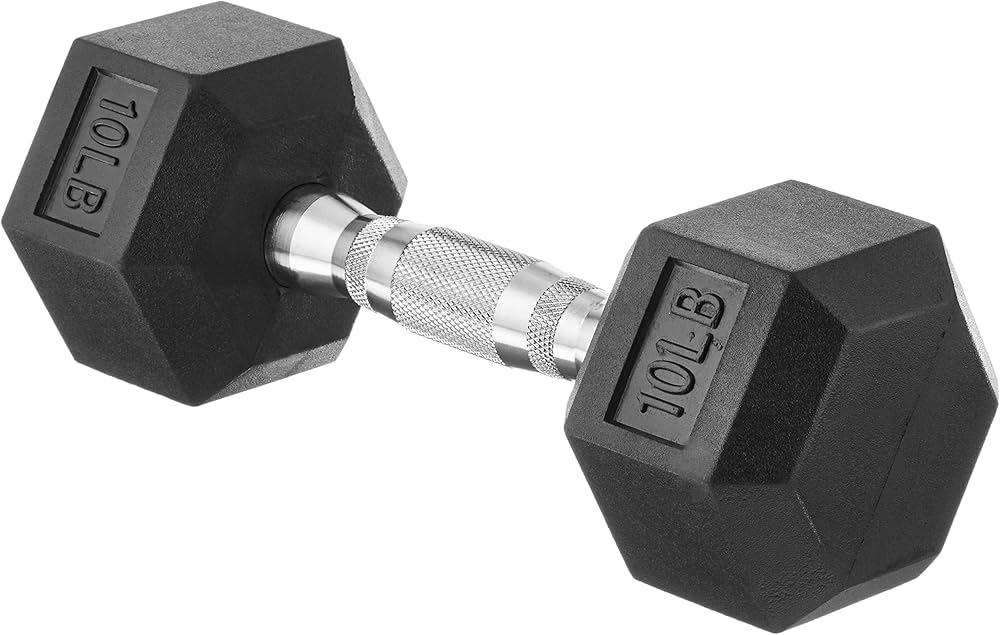
In the ever-evolving landscape of fitness, where trends rise and fade like the tide, one steadfast companion remains a quintessential tool for strength training: the humble dumbbell. From bustling gyms to home workout sanctuaries, these compact weights have transcended their simple design to become the embodiment of versatility and effectiveness. Whether you are a fitness novice taking your first strides toward a healthier lifestyle or a seasoned athlete pushing boundaries, dumbbells have something to offer everyone. This article delves into the multifaceted world of dumbbells, uncovering their unique advantages, diverse applications, and the reason they hold an esteemed place in the hearts of fitness enthusiasts worldwide. Join us as we explore how unlocking the potential within these small yet mighty weights can lead to a path of strength, resilience, and personal growth.
Table of Contents
- Exploring Dumbbell Varieties for Every Fitness Level
- Techniques for Maximizing Your Dumbbell Workouts
- Building a Balanced Routine with Dumbbells
- Choosing the Right Dumbbells: A Guide for Beginners and Enthusiasts
- In Conclusion
Exploring Dumbbell Varieties for Every Fitness Level
Dumbbells come in a variety of shapes, sizes, and materials, making them a staple in any fitness regimen, regardless of experience. For beginners, lightweight dumbbells (often ranging from 1 to 5 pounds) are perfect for mastering form and technique while still delivering effective workouts. As users progress in strength and confidence, they can transition to adjustable dumbbells, which allow for a more customizable workout by offering multiple weight options in one piece of equipment. These not only save space but also cater to the varying intensity that different exercises require.
For seasoned athletes and strength trainers, heavy-duty dumbbells (typically ranging from 15 pounds and up) are essential for advanced lifting routines. Made from durable materials such as cast iron or rubber-coated, these weights allow for intense training and progressive overload. Additionally, specialty dumbbells like hex or kettlebell-shaped options can provide unique challenges to stabilize muscles and enhance grip strength. To give an overview of popular dumbbell varieties across fitness levels, the table below highlights their characteristics:
| Type | Weight Range | Best For |
|---|---|---|
| Lightweight Dumbbells | 1-5 lbs | Beginners |
| Adjustable Dumbbells | Variable | All Levels |
| Heavy-Duty Dumbbells | 15 lbs and up | Advanced Trainers |
| Hex Dumbbells | Varies | Stability Training |
| Kettlebell Dumbbells | Varies | Dynamic Workouts |
Techniques for Maximizing Your Dumbbell Workouts
To get the most out of your dumbbell workouts, it’s essential to incorporate several effective techniques that can enhance your results. Variety is key; switch up your exercises regularly to target different muscle groups and prevent your body from plateauing. Instead of sticking to traditional lifts, consider integrating techniques like supersets, where you perform two exercises back-to-back without rest. This method not only increases workout intensity but also maximizes your time spent training. Other variations like drop sets or pyramid sets can be highly effective for building endurance and strength simultaneously.
Furthermore, don’t underestimate the power of proper form and control during your routines. Emphasizing slow, controlled movements can lead to better muscle engagement and improved technique. To ensure that you’re hitting the right muscles, try incorporating isometric holds at the peak of your lifts, maintaining tension for a few seconds. Additionally, use progressive overload by gradually increasing the weight you lift or the number of repetitions over time, allowing your body to adapt and grow stronger. Remember, keeping a workout journal can help in tracking your progress and maintaining motivation.
Building a Balanced Routine with Dumbbells
Creating a balanced routine with dumbbells requires thoughtful planning and variation to keep your workouts engaging and effective. Start by incorporating a mix of exercises that target all major muscle groups. This approach not only helps in building strength but also contributes to overall body symmetry. Consider including the following in your routine:
- Upper Body Strength: Bicep curls, tricep kickbacks, shoulder presses
- Core Stability: Dumbbell Russian twists, planks with dumbbell rows
- Lower Body Power: Goblet squats, lunges, deadlifts
To maximize effectiveness, allocate specific days for different muscle groups, allowing for recovery while ensuring comprehensive coverage throughout the week. A simple weekly structure might look like this:
| Day | Focus Area | Example Exercises |
|---|---|---|
| Monday | Upper Body | Bench Press, Bent-over Rows |
| Wednesday | Lower Body | Squats, Calf Raises |
| Friday | Core & Stability | Dumbbell Side Bends, Plank Rows |
With the right balance and structure, your dumbbell routine can effectively promote muscle growth, enhance endurance, and improve functional fitness, making each workout session a step towards your strength goals.
Choosing the Right Dumbbells: A Guide for Beginners and Enthusiasts
When venturing into the world of dumbbells, it’s essential to understand that not all are created equal. Beginners should start by selecting a set that accommodates their current fitness level while providing room for growth. Adjustable dumbbells are particularly appealing, as they can quickly adapt to different weights, saving space and money. On the other hand, fixed-weight dumbbells come in various sizes, allowing enthusiasts to easily select the right amount of resistance for specific exercises. Consider the following factors when making your choice:
- Weight Range: Ensure the weights are suitable for your strength.
- Material: Look for high-quality materials, such as rubber-coated or metal options, for durability.
- Grip: Choose dumbbells with a comfortable grip to prevent slipping during workouts.
For those who are already familiar with basic routines or looking to expand their workouts, it becomes crucial to choose a weight increment that aligns with your fitness goals. Opt for a set that offers a variety of weights, which can help facilitate progressive overload—a key principle in strength training. Below is a simple table showcasing some typical weight increments:
| Weight (lbs) | Recommended Exercises |
|---|---|
| 5 | Shoulder Raises, Wrist Curls |
| 10 | Bicep Curls, Tricep Extensions |
| 15 | Chest Press, Bent-over Rows |
| 20+ | Deadlifts, Squats |
Evaluating your personal fitness journey will guide your final selection. Whether you are just beginning or looking to enhance your routine, selecting the right dumbbells will empower you to unlock your strength potential.
In Conclusion
As we conclude our exploration of dumbbells, it’s clear that these seemingly simple tools hold profound potential for enhancing our strength and fitness journeys. Their versatility transcends barriers, welcoming all levels of experience to engage in a diverse array of exercises that can be tailored to individual goals and lifestyles. Whether you’re sculpting muscles, improving endurance, or seeking a balanced routine, dumbbells offer a pathway that is both accessible and effective.
In a world filled with increasingly complex fitness trends, it’s refreshing to embrace the timeless appeal of dumbbells. Their value is not just in building robust physiques but also in forging the habits of discipline and dedication. As you continue to unlock your strength, may you find inspiration in the myriad of ways to incorporate these weights into your life. Remember, every lift and every rep is a step towards a healthier, stronger you—one that is well within reach. Now, go forth and let the transformative power of dumbbells elevate your wellness journey.