


If you’ve ever found yourself scrolling through social media and stumbled across glowing testimonials about intermittent fasting (IF), you’re definitely not alone. This trendy eating pattern has taken the health world by storm, attracting everyone from casual dieters to seasoned fitness enthusiasts. But what exactly is intermittent fasting, and why is it being hailed as a game-changer for health and wellness? In this article, we’ll break down the basics of intermittent fasting, explore its potential health benefits, and give you practical tips to get started. Whether you’re hoping to shed a few pounds, boost your energy, or simply embrace a more mindful approach to eating, this guide is here to help you unlock the secrets of intermittent fasting and discover the gains that await you. So grab a snack (or maybe not) and let’s dive in!
Table of Contents
- Understanding Intermittent Fasting and Its Benefits
- Getting Started with Intermittent Fasting: Tips for Success
- Debunking Myths: What Intermittent Fasting Isn’t
- Crafting Your Intermittent Fasting Meal Plan for Maximum Gains
- In Retrospect
Understanding Intermittent Fasting and Its Benefits
Intermittent fasting (IF) has gained popularity as a flexible approach to eating that can help improve overall health. At its core, it involves cycling between periods of eating and fasting, allowing your body to rest and rejuvenate. This method doesn’t restrict calories or food types but focuses more on when you eat. Here are some common methods of intermittent fasting:
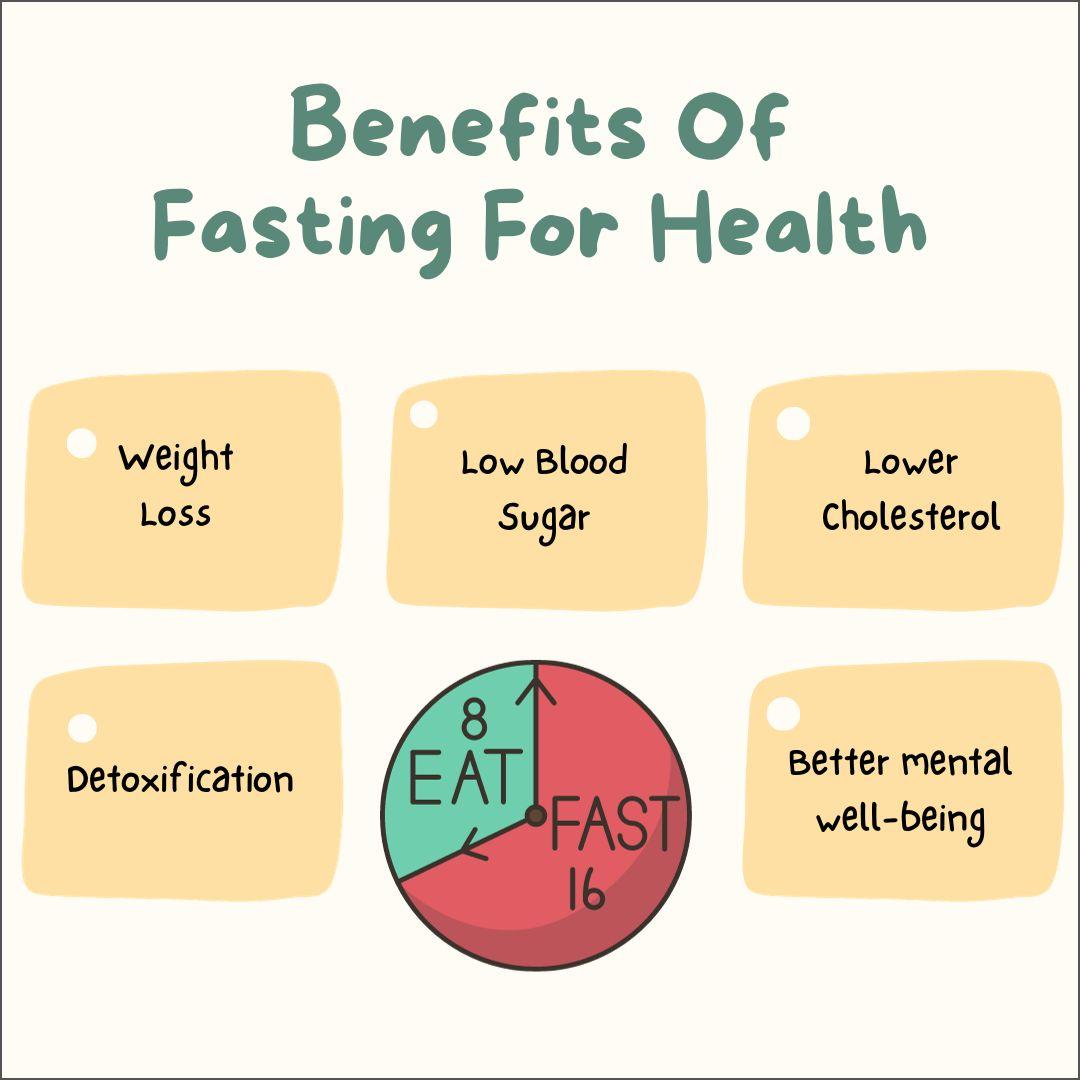
- 16/8 method: Fasting for 16 hours and eating during an 8-hour window.
- 5:2 diet: Eating normally five days a week and restricting caloric intake to about 500-600 calories for two days.
- Eat-Stop-Eat: 24-hour fasts once or twice a week.
Research suggests that intermittent fasting can bring about a myriad of health benefits. Notably, it may enhance metabolic health by improving insulin sensitivity, allowing your body to better manage blood sugar levels. Additionally, IF has been linked to weight loss, as it encourages the body to utilize stored fat for energy. Other potential benefits include increased mental clarity, enhanced cellular repair processes, and even lower inflammation levels. Here’s a quick look at some benefits:
| Benefit | Description |
|---|---|
| Weight Loss | Body taps into fat reserves for energy. |
| Improved Insulin Sensitivity | Helps regulate blood sugar fluctuations. |
| Mental Clarity | Many report better focus and cognitive function. |
Getting Started with Intermittent Fasting: Tips for Success
Embarking on your intermittent fasting journey can be both exciting and a bit overwhelming, but with the right approach, you can set yourself up for success. First, choose a fasting schedule that fits your lifestyle. Whether it’s the popular 16/8 method, where you eat during an 8-hour window and fast for 16 hours, or alternate-day fasting, find a pattern that feels sustainable for you. Remember to listen to your body; it’s perfectly fine to adjust your fasting hours as you get accustomed to the routine. Also, keep your hydration levels up by drinking plenty of water, herbal teas, or black coffee. These can help suppress hunger and keep you energized throughout the day.
Another crucial aspect of successful intermittent fasting is what you eat during your eating windows. Focus on nutrient-dense foods that will fuel your body and keep you satisfied. Here are a few ideas to enhance your meals:
- Whole grains like quinoa and brown rice
- Lean proteins such as chicken, fish, or tofu
- Healthy fats like avocado, nuts, and olive oil
- Loads of colorful veggies for essential vitamins
- Fruits for a sweet touch and added fiber
Keeping a food journal can also be beneficial. It not only helps track what you eat but also allows you to spot patterns in your cravings and energy levels. Embrace the process, stay patient with yourself, and gradually, you’ll likely find that intermittent fasting is a fulfilling and effective part of your health routine.
Debunking Myths: What Intermittent Fasting Isn’t
Intermittent fasting has gained immense popularity, but there are still a multitude of misconceptions surrounding it. Let’s set the record straight on what it is *not*. First, intermittent fasting does not mean you can eat whatever you want during your eating window. The quality of your food still matters! Sure, you might be able to indulge occasionally, but relying on junk food won’t help you reach your health goals. Additionally, intermittent fasting is not a magic bullet for weight loss; it’s a tool that, when combined with a balanced diet and regular exercise, can support your journey. Here are some common myths:
- It’s a diet: Intermittent fasting is more about when you eat rather than what you eat.
- You won’t eat enough: It can actually lead to a healthy increase in calorie intake if planned correctly.
- It’s for everyone: Not every single individual is suited for intermittent fasting, as personal health conditions may vary.
Another myth that deserves the spotlight is the idea that intermittent fasting is synonymous with starvation. In reality, it’s a structured approach that allows your body to rest from constant digestion. It encourages metabolic flexibility, which means your body can switch between burning glucose and fat. Moreover, intermittent fasting does not mean you will be perpetually hungry; many find they actually feel better overall due to the lack of constant snacking or large meals. Here’s a quick comparison:
| Common Myth | Reality |
|---|---|
| Intermittent fasting is just skipping breakfast. | It includes various eating and fasting patterns, not just one. |
| It slows down metabolism. | Can actually enhance metabolic health when done right. |
Crafting Your Intermittent Fasting Meal Plan for Maximum Gains
To optimize your intermittent fasting experience, it’s essential to create a meal plan that not only aligns with your eating window but also fuels your body effectively. Focus on whole, nutrient-dense foods that provide sustained energy and support recovery. Think of incorporating:
- Lean Proteins: Chicken, turkey, tofu, and legumes to help with muscle repair.
- Healthy Fats: Avocados, nuts, and olive oil to keep you satiated.
- Fiber-Rich Vegetables: Broccoli, kale, and bell peppers for vitamins and minerals.
- Complex Carbs: Quinoa, brown rice, and sweet potatoes for lasting energy.
Your eating schedule should also induce simplicity and sustainability. Many find success with a 16/8 split, where you fast for 16 hours and eat within an 8-hour window. Here’s a quick look at how you can structure your meals:
| Time | Meal |
|---|---|
| 12:00 PM | Grilled chicken salad with olive oil dressing and quinoa |
| 3:00 PM | Greek yogurt with mixed berries and a sprinkle of nuts |
| 6:00 PM | Salmon with steamed vegetables and sweet potato |
This basic structure allows for variety and enjoyment while ensuring you hit your nutritional goals, promoting both health and performance gains as you navigate through your fasting journey.
In Retrospect
And there you have it—your comprehensive guide to unlocking the potential of intermittent fasting! Whether you’re looking to shed some pounds, boost your energy, or simply enhance your overall health, this flexible eating pattern can be a powerful tool in your wellness arsenal. Remember, the key to success is finding a routine that works for you and listening to your body along the way.
As you embark on your intermittent fasting journey, stay curious and open-minded. Don’t be afraid to experiment and adjust until you find what feels just right. And always keep in mind that consistency is your best friend in achieving those health gains you desire.
So, grab that water bottle, set your feasting windows, and get ready to embrace a lifestyle that not only supports your health goals but might just redefine your relationship with food. Happy fasting!