


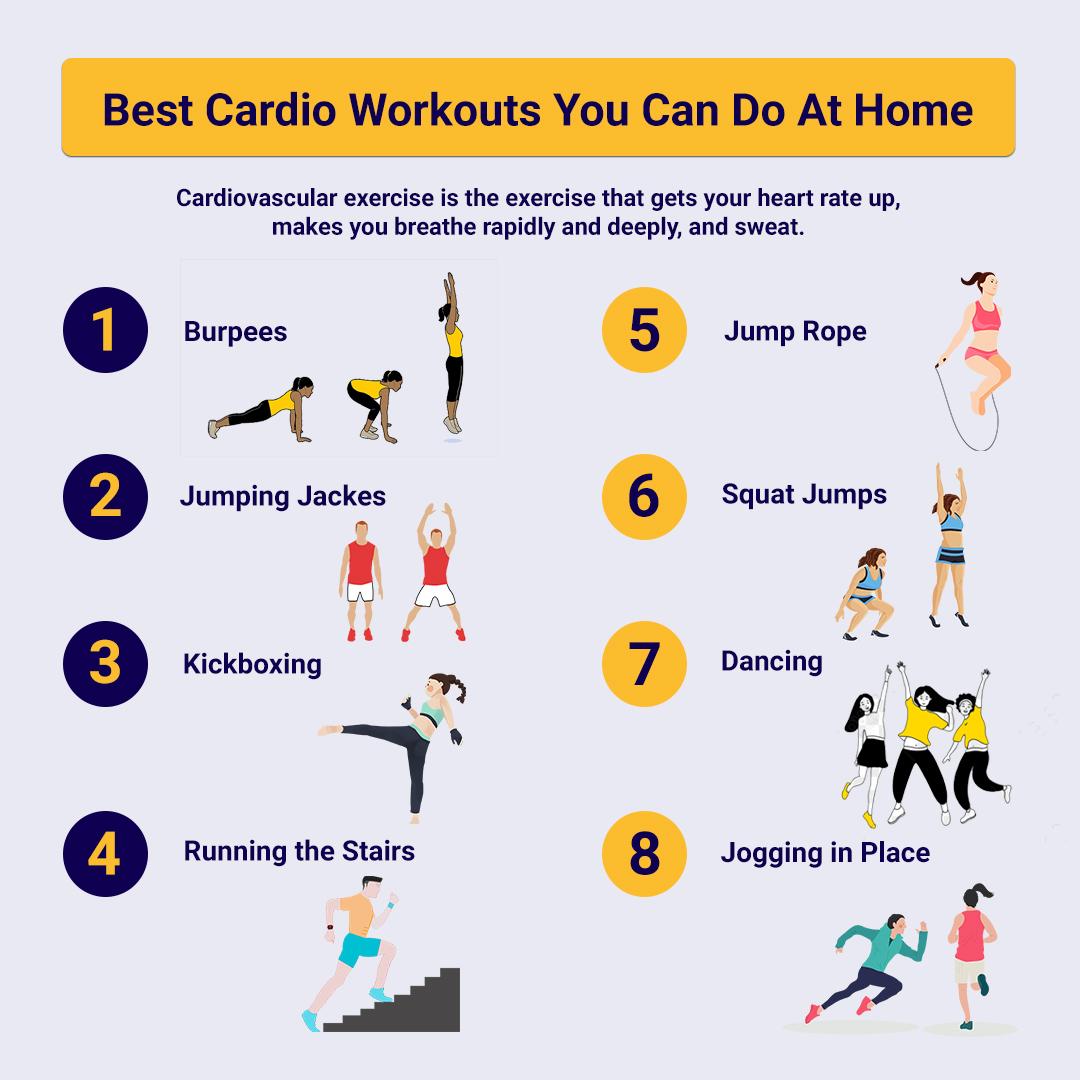
In a world where the hustle and bustle of everyday life often leaves us breathless, the importance of a deep, controlled breath cannot be overstated. Our lungs, vital organs tasked with the essential job of providing oxygen to our bodies, deserve attention and care just like any other muscle group. Yet, many of us tend to overlook the significance of lung capacity in our overall health and fitness. Enter the realm of cardio workouts—dynamic routines that not only elevate our heart rates but also serve as powerful tools for enhancing lung capacity.
Within this exploration, we will delve into various effective cardio exercises designed to unlock the potential of our respiratory system. From rhythmic running to invigorating cycling and beyond, each workout offers a unique pathway to cultivating resilience and endurance. Join us as we uncover the science behind lung function, discover practical techniques for improvement, and inspire a newfound appreciation for the very breath that sustains us. Whether you are an athlete seeking peak performance or an individual aiming for better overall wellness, there is a profound journey awaiting you in the pursuit of enhanced lung capacity through the art of cardio.
Table of Contents
- Understanding Lung Capacity and Its Importance for Fitness
- Effective Cardio Workouts to Boost Your Breathing Power
- Breathing Techniques to Complement Your Cardiovascular Routine
- Measuring Progress: Tracking Your Lung Capacity Gains
- In Conclusion
Understanding Lung Capacity and Its Importance for Fitness
Lung capacity refers to the maximum amount of air that the lungs can hold, which plays a pivotal role in overall fitness and health. Understanding this capacity is crucial for fitness enthusiasts, as it directly impacts endurance and performance. Engaging in regular cardiovascular workouts enhances lung capacity by strengthening the respiratory muscles and improving the efficiency of oxygen exchange in the body. Key benefits include:
- Improved Endurance: Allows for longer workouts without fatigue.
- Increased Oxygen Supply: Enhances the delivery of oxygen to muscles.
- Better Recovery: Speeds up recovery between high-intensity sessions.
Additionally, measuring lung capacity provides important insights into a person’s fitness level and respiratory health. Techniques such as spirometry can offer quantifiable data that can help tailor fitness regimes more effectively. To illustrate various lung capacity metrics, consider the following table:
| Measurement | Normal Range |
|---|---|
| Tidal Volume | 500 ml |
| Vital Capacity | 3-5 liters |
| Functional Residual Capacity | 2-3 liters |
| Total Lung Capacity | 4-6 liters |
By acknowledging these components, fitness practitioners can optimize their training and heighten their lung health, ultimately leading to improved athletic performance and overall wellness. Embracing lung capacity exercises—ranging from aerobic activities to specific breathing techniques—can foster a deeper connection between breath and movement, carving a path toward enhanced physical capabilities.
Effective Cardio Workouts to Boost Your Breathing Power
To enhance lung capacity and improve respiratory efficiency, incorporating a variety of cardio workouts into your routine can be transformative. High-Intensity Interval Training (HIIT) is one such method that alternates short bursts of intense activity with rest or lower-intensity periods. This promotes not just fat burning but also increases your heart and lung strength. For those seeking a more steady approach, steady-state cardio, like jogging or brisk walking, can elevate your heart rate while allowing you to focus on controlled breathing. Cycling and swimming are also excellent options, targeting different muscle groups while keeping your lungs challenged.
To maximize your training, consider integrating breathing exercises into your cardio sessions. Techniques such as diaphragmatic breathing can enhance oxygen exchange, allowing you to perform better and longer. Additionally, practicing interval sprints or circuit training can significantly improve both cardiovascular health and lung capacity. Here’s a quick glance at effective workouts:
| Workout Type | Benefits |
|---|---|
| HIIT | Boosts lung capacity, burns fat efficiently. |
| Steady-State Cardio | Increases endurance, promotes relaxation and focuses on breathing. |
| Cycling | Low-impact, enhances leg strength while challenging lungs. |
| Swimming | Full-body workout, promotes controlled breathing in water. |
Breathing Techniques to Complement Your Cardiovascular Routine
Integrating specific breathing techniques into your cardiovascular routine can significantly boost your lung capacity and overall performance. Here are some effective methods you can incorporate:
- Diaphragmatic Breathing: Focus on expanding your diaphragm rather than your chest when you inhale. This technique promotes oxygen exchange and helps strengthen the diaphragm.
- Box Breathing: Inhale for four seconds, hold for four seconds, exhale for four seconds, and pause for another four seconds. This method enhances lung control and calms the mind.
- Pursed Lip Breathing: Inhale deeply through your nose and then exhale slowly through pursed lips. This technique can help improve oxygenation during strenuous workouts.
To track your progress and adjust your breathing methods accordingly, consider the following simple table to monitor your workouts and breathing techniques:
| Workout Type | Breathing Technique | Duration (minutes) |
|---|---|---|
| Running | Diaphragmatic Breathing | 30 |
| Cycling | Box Breathing | 20 |
| Swimming | Pursed Lip Breathing | 25 |
Measuring Progress: Tracking Your Lung Capacity Gains
Tracking your lung capacity gains can be an empowering journey towards better health. To effectively measure your progress, consider incorporating specific metrics into your routine. Here are some strategies to help you document and visualize your improvements:
- Peak Flow Measurement: Use a peak flow meter to assess your lung functionality regularly.
- Exercise Performance: Monitor your stamina during cardio workouts, aiming for longer durations at higher intensities.
- Breath-Holding Time: Gradually increase the duration you can hold your breath after a full inhale.
Creating a tracking chart can provide a clear picture of your progress over time. Below is a simple example of how your lung capacity metrics may look as you train:
| Measurement | Start | Month 1 | Month 3 | Month 6 |
|---|---|---|---|---|
| Peak Flow (L/min) | 400 | 450 | 500 | 550 |
| Max Breath-Hold (s) | 30 | 40 | 50 | 60 |
| Run 1 Mile (min) | 10:00 | 9:30 | 9:00 | 8:30 |
These tangible metrics will not only motivate you but also guide you in adjusting your workout intensity and frequency. As you observe your lung capacity improving, you’ll gain a sense of accomplishment that drives you further in your fitness journey.
In Conclusion
As we conclude our exploration of “,” it’s clear that the journey toward better respiratory health is both attainable and rewarding. Just as a musician fine-tunes their instrument, each cardio session refines our lung capacity, harmonizing our breath with the rhythm of movement. Whether you’re climbing a hill, dancing through a workout, or simply enjoying a brisk walk, remember that each inhale and exhale is a step toward greater vitality.
By incorporating these techniques into your routine, you’ll not only enhance your lung function but also elevate your overall well-being. So take a moment to appreciate the power of your breath; it is a vital resource waiting to be unlocked. Embrace the challenge, listen to your body, and let each workout inspire deeper, fuller breaths. After all, in this rhythm of life, the breath is our soundtrack. Keep moving, stay curious, and let the journey of discovery continue as you unlock new levels of fitness and freedom.