


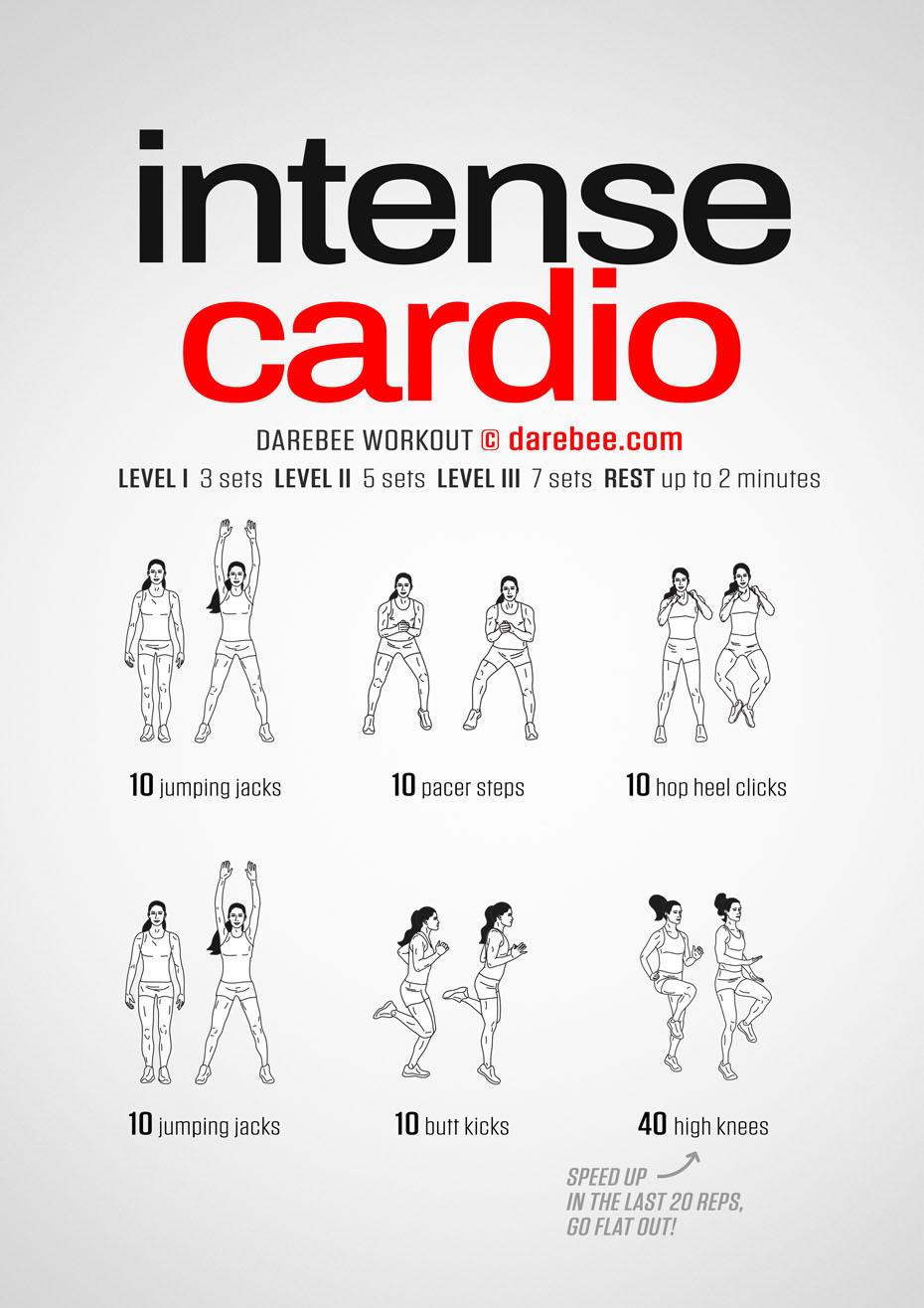
In a world where fitness trends come and go, one thing remains constant: the fundamental importance of cardiovascular health. Whether you’re a seasoned athlete training for your next marathon or a novice taking your first steps into the realm of physical fitness, cardio exercises serve as a cornerstone of overall wellbeing. But the reality is that not every cardio workout suits every individual. With diverse fitness levels spanning from beginner to advanced, the challenge lies in finding the right approach to keep your heart pumping and your body engaged, without feeling out of breath or overwhelmed.
Enter “Cardio for All,” a comprehensive guide designed to demystify cardiovascular workouts and make them accessible to everyone, regardless of their starting point. Here, we delve into tailored workout routines that cater to varying abilities, integrating principles of inclusivity and adaptability. Whether you’re looking to boost your stamina, shed some pounds, or simply enjoy moving your body, this article will empower you to discover cardio exercises that resonate with your unique fitness journey. Join us as we explore the myriad of possibilities that make cardio not just a workout, but a pathway to vitality for all.
Table of Contents
- Exploring the Spectrum of Cardiovascular Fitness
- Customizing Cardio Routines for Beginners and Beyond
- Effective Strategies for Staying Motivated and Engaged
- Integrating Cardio with Strength Training for Optimal Results
- Wrapping Up
Exploring the Spectrum of Cardiovascular Fitness
Cardiovascular fitness encompasses a broad range of activities that can be tailored to meet individuals at different skills and endurance levels. From the engaging rhythm of dance-based aerobics to the simple yet effective pacing of walking, there are options available for everyone. Consider the following approaches to enhance your cardiovascular routine:
- Low-Intensity Options: Walking, leisurely cycling, or swimming.
- Moderate-Intensity Choices: Jogging, hiking, or dynamic group fitness classes.
- High-Intensity Alternatives: HIIT sessions, competitive sports, or spirited dance workouts.
Understanding where you fall on the fitness spectrum is critical for ensuring a successful exercise journey. Incorporating a mix of these activities can optimize heart health and endurance while keeping workouts enjoyable and varied. To help visualize progression, here’s a simple table that illustrates recommended durations based on fitness levels:
| Fitness Level | Duration (minutes) | Example Activities |
|---|---|---|
| Beginner | 20-30 | Walking, Light Yoga |
| Intermediate | 30-45 | Jogging, Cycling |
| Advanced | 45-60+ | HIIT, Sports |
Customizing Cardio Routines for Beginners and Beyond
When embarking on a fitness journey, it’s crucial to recognize that each individual’s needs and capabilities are unique. For beginners, a successful cardio routine might emphasize low-impact activities such as walking, cycling, or swimming, which allow for gradual progression without overwhelming the body. Consider incorporating interval training into the week by alternating between short bursts of higher intensity and longer periods of lower intensity. This method not only boosts endurance but also keeps workouts engaging and effective.
As individuals progress in their fitness levels, routines can be further personalized to include a greater variety of exercises. Advanced participants might opt for HIIT (High-Intensity Interval Training) or sports-specific training that challenges their cardiovascular systems while catering to their interests. For those looking to track improvements, consider utilizing a weekly overview of different activities:
| Day | Activity | Duration |
|---|---|---|
| Monday | Brisk Walking | 30 minutes |
| Wednesday | Cycling | 45 minutes |
| Friday | HIIT Workout | 20 minutes |
| Saturday | Swimming | 30 minutes |
Effective Strategies for Staying Motivated and Engaged
Staying motivated and engaged in your fitness journey, especially when it comes to cardio, can be an exhilarating adventure with the right approach. One effective strategy is to set specific and achievable goals. Instead of a vague objective like “get fit,” consider focusing on concrete targets, such as “run 5 kilometers in under 30 minutes” or “complete a 30-minute HIIT session three times a week.” Additionally, incorporating variety into your workouts can keep boredom at bay. Explore different cardio options, such as cycling, swimming, or dance aerobics, and rotate them weekly to find what excites you the most.
Another powerful technique is to track your progress. Utilize fitness apps or a simple journal to log your workouts, noting how you feel post-exercise and any improvements you achieve. Consider joining a community or group, whether in-person or online, as this can provide a sense of accountability and encouragement. Participating in challenges or group events, such as a charity run, can foster camaraderie and ignite your competitive spirit. Remember, creating a reward system for reaching milestones—like treating yourself to new workout gear or a spa day—can serve as an extra incentive to keep you on track.
Integrating Cardio with Strength Training for Optimal Results
Combining cardio with strength training not only elevates your overall fitness but also enhances the effectiveness of each workout session. When these two components are integrated thoughtfully, you can reap benefits such as improved endurance, better muscle tone, and increased fat loss. Consider alternating workouts to maintain variety and engagement in your routine. Here are a few effective strategies for pairing the two:
- Circuit Training: Alternate between strength exercises and short bursts of cardio, keeping your heart rate up while building muscle.
- Cardio Intervals: Incorporate high-intensity cardio intervals between sets of strength training to keep your metabolism engaged.
- Active Rest Days: Use lower-intensity cardio options like walking or cycling on active rest days to allow muscle recovery without complete inactivity.
Another crucial element to consider is your workout schedule. Planning your week mindfully can ensure that both cardio and strength training complement rather than compete with each other. Below is a simple weekly framework for integrating the two:
| Day | Focus | Type |
|---|---|---|
| Monday | Strength | Upper Body Weights |
| Tuesday | Cardio | 30 mins Jogging |
| Wednesday | Strength | Lower Body Weights |
| Thursday | Cardio | Circuit Training |
| Friday | Mixed | Strength + Short Cardio Intervals |
| Saturday | Active Recovery | Yoga or Light Walking |
| Sunday | Rest | — |
Wrapping Up
As we conclude our exploration of “Cardio for All,” it’s clear that the world of cardiovascular fitness has room for everyone—regardless of fitness level, age, or experience. Whether you’re taking your first steps into a healthier lifestyle or you’re a seasoned athlete seeking new challenges, the beauty of tailored workouts lies in their ability to adapt and evolve with you.
Remember, the journey to better health is not a sprint but a marathon; it’s about finding joy in movement, pushing boundaries, and recognizing your progress, no matter how small. We invite you to embrace the variety of cardio options available to you—be it brisk walking, cycling, dancing, or interval training—and discover what resonates with your personal rhythm.
With thoughtful modifications and a focus on your unique goals, cardio can become not just a workout routine but a fulfilling part of your everyday life. So lace up your shoes, set your intentions, and embark on this invigorating journey, knowing that every heartbeat brings you closer to a healthier, happier you. Here’s to cardio, tailored for all!