


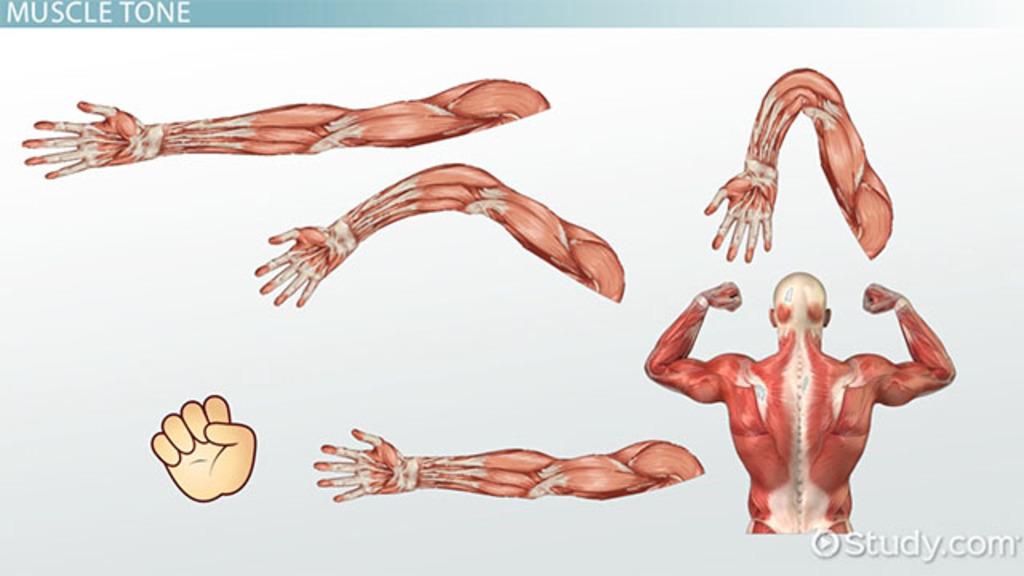
When we think of fitness and physical appearance, muscle tone often takes center stage—a visual testament to strength and vitality. Yet, the journey to achieving that coveted toned physique is often shrouded in myths and misunderstandings. What exactly is muscle tone? How do we enhance it effectively? In this comprehensive guide, we embark on an enlightening quest to unravel the mysteries behind muscle tone. From the science that underpins muscle development to the practical strategies that can lead to visible results, we will dissect the factors that contribute to a well-defined body. Whether you’re a seasoned athlete or a newcomer to the world of fitness, this article aims to equip you with valuable insights and actionable advice, empowering you to unlock the secrets of muscle tone and elevate your health journey.
Table of Contents
- Understanding Muscle Tone: The Science Behind Definition and Strength
- Essential Factors Affecting Muscle Tone: Nutrition, Genetics, and Exercise
- Effective Workouts for Optimal Muscle Tone: Tailoring Your Routine
- Lifestyle Changes for Lasting Tone: Habits That Make a Difference
- In Retrospect
Understanding Muscle Tone: The Science Behind Definition and Strength
Muscle tone is often misunderstood, with many believing it merely refers to the visible definition of muscles. In reality, muscle tone, or tonus, is a measure of the tension in muscles at rest, which plays a critical role in maintaining posture and readiness for action. It’s influenced by various factors, including nervous system activity, physical training, and genetic predispositions. A body with optimal muscle tone not only appears firmer and more defined but also tends to exhibit greater strength and endurance. Understanding the interplay between neuromuscular control and muscle fiber composition can demystify why some individuals achieve a chiseled appearance, while others struggle to attain it despite similar workout regimes.
Muscle tone can be classified into two types: resting tone and active tone. Resting tone pertains to the baseline level of tension in muscles when at rest, while active tone reflects the amount of tension produced during contraction. Here’s how these tones differ:
| Type | Description | Influencing Factors |
|---|---|---|
| Resting Tone | The baseline muscle tension | Neural activation, muscle elasticity |
| Active Tone | Tension during voluntary contraction | Intensity of exercise, muscle fiber recruitment |
Enhancing muscle tone typically involves a combination of strength training, cardiovascular activity, and proper nutrition. Incorporating exercises that focus on both concentric (shortening) and eccentric (lengthening) muscle contractions can lead to more balanced strength gains and improved definition. Additionally, factors such as hydration and body fat percentage play pivotal roles in the visibility of toned muscles. By acknowledging these elements, individuals can tailor their fitness plans effectively, unlocking the potential for both impressive muscle definition and increased strength.
Essential Factors Affecting Muscle Tone: Nutrition, Genetics, and Exercise
Muscle tone is influenced by multiple factors that intertwine to sculpt the physique. Nutrition plays a pivotal role in maintaining and enhancing muscle tone. A well-balanced diet supports muscle repair and growth. Essential macronutrients and micronutrients work synergistically to optimize performance and recovery. Incorporating foods rich in protein, healthy fats, and complex carbohydrates can enhance overall muscle health. Some of the key dietary elements include:
- Protein: Promotes muscle repair and growth.
- Omega-3 Fatty Acids: Alleviates inflammation and aids recovery.
- Antioxidants: Protects muscles from oxidative stress.
Alongside nutrition, genetics significantly impacts muscle tone. Genetic predispositions determine muscle fiber composition, strength potential, and basic metabolic rate. Some individuals may naturally have a higher percentage of fast-twitch muscle fibers, which can enhance their ability to develop muscle mass more quickly. Furthermore, genetics can dictate how your body responds to exercise and nutrition. While you can’t change your genetic makeup, understanding its influence can help tailor your training and dietary strategies for optimal outcomes. When it comes to exercise, a combination of strength training, cardiovascular workouts, and flexibility routines helps in achieving balanced muscle tone. Below is a simple representation of how different types of exercise contribute to muscle development:
| Exercise Type | Benefits for Muscle Tone |
|---|---|
| Strength Training | Increases muscle mass and strength. |
| Cardiovascular Exercise | Burns fat and improves endurance. |
| Flexibility Training | Enhances range of motion and prevents injury. |
Effective Workouts for Optimal Muscle Tone: Tailoring Your Routine
Achieving optimal muscle tone requires a tailored workout routine that caters to individual fitness levels and goals. To effectively sculpt your physique, it’s essential to mix various training modalities. Strength training is a fundamental component, incorporating exercises such as squats, deadlifts, and bench presses, which promote lean muscle development. Cardiovascular exercises like running, cycling, or swimming can boost your metabolism and aid in fat loss, revealing the toned muscles beneath. Additionally, incorporating flexibility and balance workouts, such as yoga or Pilates, will enhance overall body coordination and prevent injuries, ensuring sustainable progress.
To create a balanced workout schedule, consider implementing the following strategies:
- Prioritize Compound Movements: Focus on exercises that engage multiple muscle groups for maximum efficiency.
- Vary Rep Ranges: Alternating between low (4-6) and high (12-15) rep ranges can stimulate different muscle fibers.
- Incorporate Rest Days: Allowing adequate recovery time is crucial for muscle repair and growth.
To illustrate a sample weekly routine, refer to the table below:
| Day | Workout Type | Focus Areas |
|---|---|---|
| Monday | Strength Training | Upper Body |
| Tuesday | Cardio | Endurance |
| Wednesday | Strength Training | Lower Body |
| Thursday | Flexibility | Core Strength |
| Friday | Cardio & Strength | Total Body |
| Saturday | Active Recovery | Flexibility & Mobility |
| Sunday | Rest | N/A |
Lifestyle Changes for Lasting Tone: Habits That Make a Difference
Transforming your physique and achieving lasting muscle tone requires consistent lifestyle changes that extend beyond the gym. Incorporating nutrient-dense foods into your diet is vital. These foods not only provide the energy needed for workouts but also supply essential vitamins and minerals critical for muscle repair and growth. Consider including:
- Lean proteins: Chicken, fish, tofu, and legumes
- Healthy fats: Avocados, nuts, and olive oil
- Whole grains: Quinoa, brown rice, and oats
- Fruits and vegetables: Berries, leafy greens, and cruciferous veggies
Beyond diet, establishing a daily movement routine can significantly impact muscle toning efforts. Finding enjoyable activities can make it easier to stay committed. Aim to integrate a mix of strength training, cardiovascular exercises, and flexibility routines throughout your week. Here’s a simple breakdown of recommended weekly activities:
| Activity | Frequency |
|---|---|
| Strength training | 3 times/week |
| Cardio (running, cycling, etc.) | 2-3 times/week |
| Flexibility (yoga, stretching) | 2 times/week |
In Retrospect
In the pursuit of achieving that coveted muscle tone, understanding the intricate balance of nutrition, exercise, and rest is paramount. As we’ve explored throughout this guide, muscle tone is more than just a physical attribute; it’s a reflection of your commitment to a healthier lifestyle. The journey to unlocking your body’s potential is both a science and an art, requiring patience and dedication.
Now armed with knowledge about the various factors that influence muscle tone, from the types of workouts that sculpt and define to the role of protein and hydration in recovery, you are better equipped to embark on your fitness journey. Remember, the path to well-defined muscles is not a sprint but a marathon—one that rewards persistence and informed choices.
As you step forward, think of each workout as a brushstroke on the canvas of your body. Embrace the process, celebrate your progress, and keep evolving. The secrets to muscle tone are no longer a mystery; they’re a roadmap to achieving your fitness goals. Here’s to toning your muscles and sculpting a healthier you!