


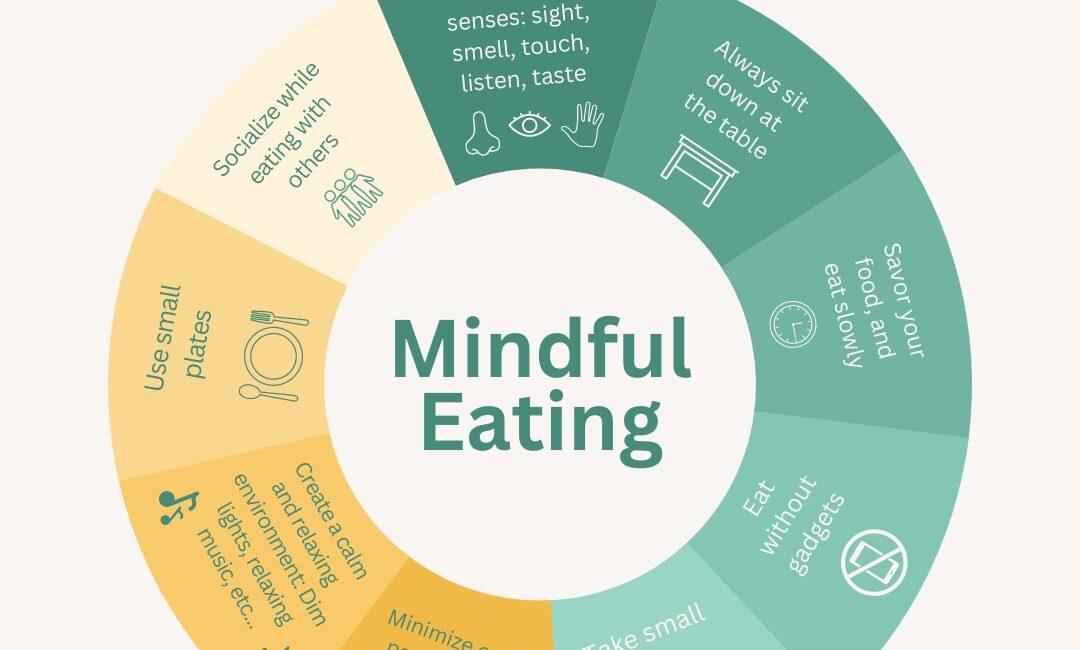
In a world where diets come and go like passing trends, the quest for effective weight loss often feels like a perpetual chase—a cycle of restrictions, cravings, and fleeting results. Yet, what if the secret to achieving sustainable change lies not in the latest fad, but in a simple shift in perspective? Welcome to the enticing concept of mindful eating, a practice that invites us to savor every bite, reconnecting us with our bodies and our food in profound ways. As we embark on this exploration of “,” we’ll uncover how cultivating awareness and presence during meals can transform not just our relationship with food, but also our approach to health and well-being. Join us on this journey as we discover the art of eating mindfully—where every meal becomes an opportunity for nourishment, intention, and lasting change.
Table of Contents
- Understanding Mindful Eating Principles for Lasting Weight Loss
- Cultivating Awareness: The Role of Intentional Choices in Your Diet
- Transforming Eating Habits: Techniques to Enhance Taste and Fulfillment
- Creating a Sustainable Mindful Eating Journey: Tips for Consistency and Motivation
- Concluding Remarks
Understanding Mindful Eating Principles for Lasting Weight Loss
Embracing mindful eating is a transformative approach that sets the foundation for sustainable weight loss. Central to this practice is the concept of paying full attention to the eating experience, which includes noticing the flavors, textures, and aromas of food. To achieve this, consider the following principles:
- Slow Down: Take your time during meals, allowing each bite to be savored.
- Listen to Your Body: Recognize hunger cues and learn to distinguish between physical hunger and emotional cravings.
- Eliminate Distractions: Create a peaceful eating environment by turning off devices to enhance your focus.
These principles not only foster a healthier relationship with food but also promote a deeper appreciation for nourishment.
Another essential aspect involves shifting the mindset around food choices. Instead of labeling foods as ‘good’ or ‘bad,’ aim to cultivate neutrality in your approach. This allows you to enjoy a diverse range of foods without guilt, which can lead to more balanced eating habits. Here’s how you can shift your perspective:
- Educate Yourself: Understand the nutritional value of foods instead of categorizing them.
- Practice Portion Control: Learn what constitutes a satisfying serving size for your body.
- Embrace Variety: Incorporate a rainbow of foods for both nutritional balance and enjoyment.
By integrating these strategies, you’ll not only foster a healthier mindset towards eating but also enhance your ability to maintain lasting weight loss effortlessly.
Cultivating Awareness: The Role of Intentional Choices in Your Diet
In a world where food choices abound at every corner, the power of intentionality stands out when it comes to shaping your diet. Embracing awareness allows you to reconnect with the food you consume, fostering a deeper understanding of what nourishes your body and spirit. Here are some ways to cultivate this mindset:
- Pause Before You Eat: Take a moment to consider your hunger cues and what your body truly craves.
- Learn to Listen: Tune into your body’s responses during and after meals, noting what makes you feel light and energized versus heavy and sluggish.
- Visual Appeal: Arrange your plates with care, allowing colors and textures to attract your senses, enhancing the enjoyment of your meal.
Being mindful in your eating habits also extends to how you make choices outside of mealtimes. Building a personalized approach is key to creating a sustainable dietary pattern. Consider these dietary strategies:
| Strategy | Impact |
|---|---|
| Meal Planning: | Reduces impulse eating and supports balanced nutrition. |
| Mindful Snacking: | Enhances satisfaction while minimizing unintentional calorie intake. |
| Gratitude Practices: | Increases mindfulness by appreciating the food and the process of eating. |
Transforming Eating Habits: Techniques to Enhance Taste and Fulfillment
Transforming your eating habits begins with a focus on taste and fulfillment. By engaging your senses, you can enhance your meals and make every bite a joyous celebration. Experiment with herbs and spices to elevate the flavor of your dishes, turning mundane meals into gastronomic adventures. Embrace seasonal ingredients; they are likely to possess optimal flavor and nutritional value. Try the following techniques to amplify your culinary experience:
- Visual Appeal: Arrange your meals artfully, and take a moment to appreciate their colors.
- Mindful Chewing: Slow down and savor each bite, engaging fully in the textures and flavors.
- Intentional Pairing: Combine complementary flavors, such as sweet and savory, to create a more satisfying profile.
Understanding the psychological aspects of eating can also lead to a more fulfilling experience. Consider maintaining a food journal that records not only what you eat but also how it makes you feel both physically and emotionally. This reflective practice can illuminate patterns and preferences, allowing you to make more conscious choices. Below is a simple yet effective approach to tracking your meals:
| Date | Meal | Satisfaction Level (1-10) | Notes |
|---|---|---|---|
| 2023-10-01 | Grilled Salmon with Quinoa | 9 | Felt energized and fulfilled |
| 2023-10-02 | Vegetable Stir-Fry | 7 | Good flavor, needs more seasoning |
By intertwining these techniques into your daily routine, you can cultivate a more mindful eating practice that not only supports your weight loss goals but also enhances your overall relationship with food. Focus on creating experiences that are rich in flavor and texture, which can lead to lasting satisfaction and improved wellness.
Creating a Sustainable Mindful Eating Journey: Tips for Consistency and Motivation
Embracing mindful eating as part of your lifestyle requires both consistency and motivation. To keep your journey on track, set realistic goals that accommodate your individual tastes and preferences. Implement rituals that enhance your eating experience—such as dining with loved ones, utilizing beautiful tableware, or practicing breathing exercises before meals to center your focus. Additionally, remember the importance of keeping a food journal; this tool allows you to reflect on your eating habits while celebrating every small victory. By tracking your progress, you not only hold yourself accountable but also discover patterns in your cravings and satisfaction levels.
Another effective strategy for sustaining motivation is to incorporate a variety of wholesome foods into your diet. Explore new recipes that excite your palate and keep meals interesting. Consider joining a community or group where members share their journey, offering support and sharing tips. Here’s a simple table to reflect on the balance of your meals while practicing mindful eating:
| Food Group | Examples | Mindful Tips |
|---|---|---|
| Fruits & Vegetables | Berries, Leafy Greens | Focus on colors and textures |
| Whole Grains | Quinoa, Brown Rice | Savor each bite for flavor |
| Proteins | Beans, Lean Meats | Listen to your satiety signals |
By consciously choosing your meals and enjoying the process, you’ll not only enhance your nutritional intake, but also foster a positive relationship with food. Engaging your senses during meals cultivates a deeper appreciation for what you consume, making sustainable changes feel less like a chore and more like a rewarding adventure.
Concluding Remarks
As we conclude this exploration into the transformative journey of mindful eating, it becomes clear that the path to weight loss is not merely paved with numbers and measurements, but with a profound understanding of ourselves and our relationships with food. Savoring change means more than just counting calories; it’s about developing a deeper appreciation for the textures, flavors, and experiences that come with each bite.
By embracing mindfulness at the dining table, we not only nurture our bodies but also cultivate a more compassionate mindset towards ourselves. It’s about enjoying the process, understanding our cravings, and making informed choices that honor both our health and our happiness. As you move forward, remember that each meal is an opportunity to reconnect with your body’s needs and desires.
So, take a moment to relish the taste of this journey—one bite at a time. In savoring the change, we unlock not just the doors to weight loss, but also to a more fulfilling and balanced relationship with food and ourselves. Here’s to mindful moments and the joy of discovery that lie ahead.