


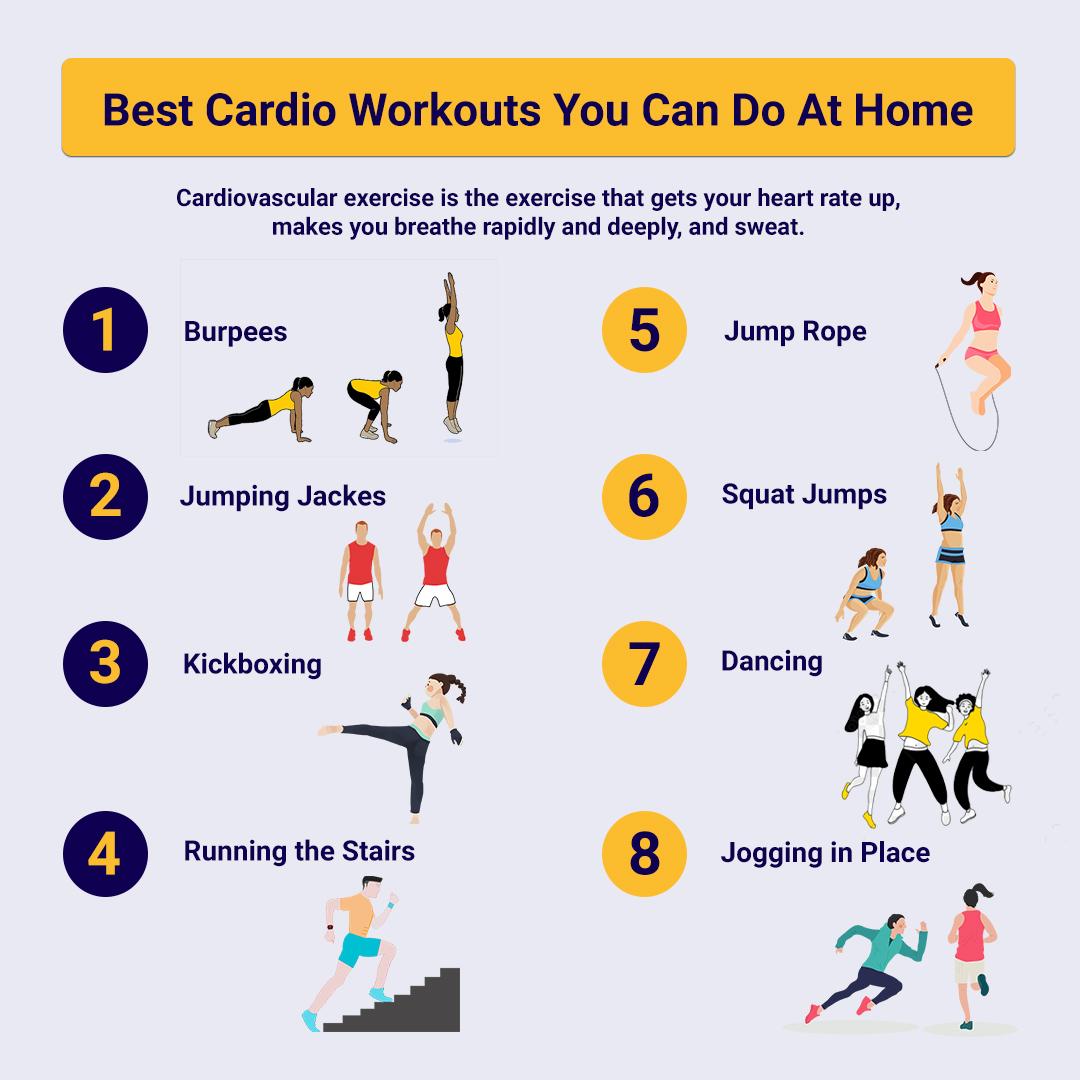
In a world often bustling with noise and distraction, the quest for mental clarity can feel like navigating through a dense fog. Yet, hidden within the rhythmic pounding of our hearts during a brisk jog or the steady swaying of our bodies in a dance class lies a powerful connection between cardiovascular health and cognitive sharpness. “” delves into the intricate relationship between our physical exertion and mental acuity, revealing how activities that elevate our heart rate can also lift the veil of confusion clouding our thoughts. Join us as we explore the science behind this invigorating interplay, offering insights and practical tips to harmonize your body and mind for a clearer, sharper perspective on life. Whether you’re a seasoned athlete or a casual walker, discover how embracing cardio can be your gateway to unlocking a more focused and elevated state of mind.
Table of Contents
- Understanding the Science Behind Cardio and Mental Clarity
- Exploring How Aerobic Exercise Boosts Brain Function
- Integrating Cardio into Your Daily Routine for Optimal Performance
- Mindfulness Meets Movement: Enhancing Focus Through Physical Activity
- Insights and Conclusions
Understanding the Science Behind Cardio and Mental Clarity
Engaging in cardiovascular exercise has profound effects not only on physical health but also on cognitive function. During aerobic activities such as running, cycling, or swimming, the heart pumps more blood, delivering essential oxygen and nutrients to the brain. This process stimulates the release of neurotrophic factors, which help in the growth and maintenance of neuronal connections. As a result, regular cardio can enhance memory, improve focus, and even foster creativity. The heart-brain connection, where physical exertion results in improved mental acuity, can be attributed to:
- Increased Blood Flow: More oxygen-rich blood reaches the brain.
- Neurotransmitter Release: Exercise promotes the release of endorphins and serotonin.
- Stress Reduction: Physical activity lowers levels of the stress hormone cortisol.
Moreover, the rhythmic nature of cardiovascular exercise can have meditative effects, allowing individuals to enter a state of flow where worries dissipate, and clarity emerges. As the body moves, the mind can also wander free from distractions, leading to heightened awareness and innovative thinking. It’s not just about burning calories; it’s about igniting a powerful synergy between body and mind. The key benefits include:
| Cardio Benefits | Cognitive Effects |
|---|---|
| Enhanced Mood | Increased motivation |
| Better Sleep | Improved focus |
| Weight Management | Sharper memory |
Exploring How Aerobic Exercise Boosts Brain Function
Aerobic exercise is known for its physical benefits, but its impact on cognitive function is equally remarkable. Engaging in activities like running, cycling, or swimming can lead to increased blood flow and oxygen supply to the brain, promoting neurogenesis—the formation of new neurons. This process enhances cognitive flexibility, enabling individuals to adapt quickly to new information and challenges. Moreover, regular aerobic workouts have been linked to reduced symptoms of anxiety and depression, fostering an overall sense of well-being and improved focus. Research suggests that the optimal duration for these activities is between 150 to 300 minutes per week, ensuring that individuals reap maximum mental benefits.
In addition to neurogenesis, aerobic exercise stimulates the release of essential brain-derived neurotrophic factor (BDNF), a protein crucial for long-term cognitive health. This compound helps support learning, memory, and higher-order thinking, all vital components of a sharper mind. The following aspects highlight how aerobic exercise benefits brain function:
- Improved Memory: Enhances ability to recall information.
- Enhanced Mood: Boosts serotonin and endorphins that elevate happiness.
- Focus and Concentration: Increases attention span for effective task completion.
- Stress Reduction: Lowers cortisol levels, promoting mental tranquility.
Integrating Cardio into Your Daily Routine for Optimal Performance
Integrating cardio into your daily routine doesn’t have to be a daunting task. Start by finding activities that excite you and seamlessly fit into your lifestyle. Consider the following approaches to ensure you consistently engage in cardiovascular exercises:
- Morning Boost: Kick off your day with a brisk walk or jog. Not only does this energize your body, but it also sharpens your mind for the day ahead.
- Work Breaks: Use short breaks during your work hours to incorporate quick bursts of activity. A few minutes of jumping jacks or stair climbing can significantly enhance your heart rate.
- Social Cardio: Join a group class or invite friends for a dance or cycling session. Combining fitness with social interaction can make cardio a fun part of your routine.
To keep track of your progress and maintain motivation, consider setting goals and evaluating your performance regularly. Here’s a simple framework to help you assess your cardio activities over a week:
| Day | Activity | Duration (mins) | Heart Rate Zone |
|---|---|---|---|
| Monday | Running | 30 | 75-85% |
| Tuesday | Cycling | 45 | 65-75% |
| Wednesday | HIIT | 20 | 85-95% |
| Thursday | Swimming | 30 | 70-80% |
| Friday | Dance Class | 60 | 65-75% |
| Saturday | Hiking | 90 | 60-70% |
| Sunday | Rest & Recovery | N/A | N/A |
Mindfulness Meets Movement: Enhancing Focus Through Physical Activity
Physical activity offers a unique pathway to harnessing the power of mindfulness, allowing individuals to cultivate a more focused and present state of being. Engaging in cardiovascular exercises such as running, cycling, or dancing not only elevates heart rate but also opens gateways to enhanced mental clarity. These activities foster a *mind-body connection* that encourages practitioners to become acutely aware of their movements, breathing, and surroundings. This immersive experience can create a meditative state, where thoughts dissolve into the rhythm of your activity. By integrating movement with mindful awareness, you can create a powerful synergy that sharpens your focus and enhances cognitive performance.
To deepen this connection, consider implementing the following practices during your workouts:
- Focus on your breath: Pay attention to each inhale and exhale to ground your thoughts.
- Notice your surroundings: Engage your senses by observing the colors, sounds, and scents around you.
- Set intentions: Begin each session with a goal that aligns with your desire for clarity.
| Movement Type | Mindfulness Benefit |
|---|---|
| Running | Enhances focus through rhythmic breathing. |
| Cycling | Promotes awareness of surroundings and body mechanics. |
| Dancing | Encourages self-expression and flow state. |
Insights and Conclusions
As we navigate the intricate landscape of our mental well-being, it becomes increasingly clear that the pathway to clarity is often paved with movement. The symbiotic relationship between cardiovascular exercise and cognitive function is not merely a scientific anomaly but a profound reminder of the interconnectedness of our bodies and minds.
By embracing the rhythm of our heartbeats through regular physical activity, we unlock the potential for sharper focus, heightened creativity, and a renewed sense of purpose. Elevating our minds isn’t solely about meditation or mindfulness—though those practices are valuable in their own right—but about understanding that the sweat-soaked journey towards health can ignite the very clarity we seek.
So, as you lace up your sneakers and step into the world of cardio, remember that each stride is a step closer to a clearer, more vibrant mind. The true essence of elevation lies within you, waiting to be uncovered through the simple act of moving your body. Embrace it, and watch as both your mind and heart achieve new heights together.