


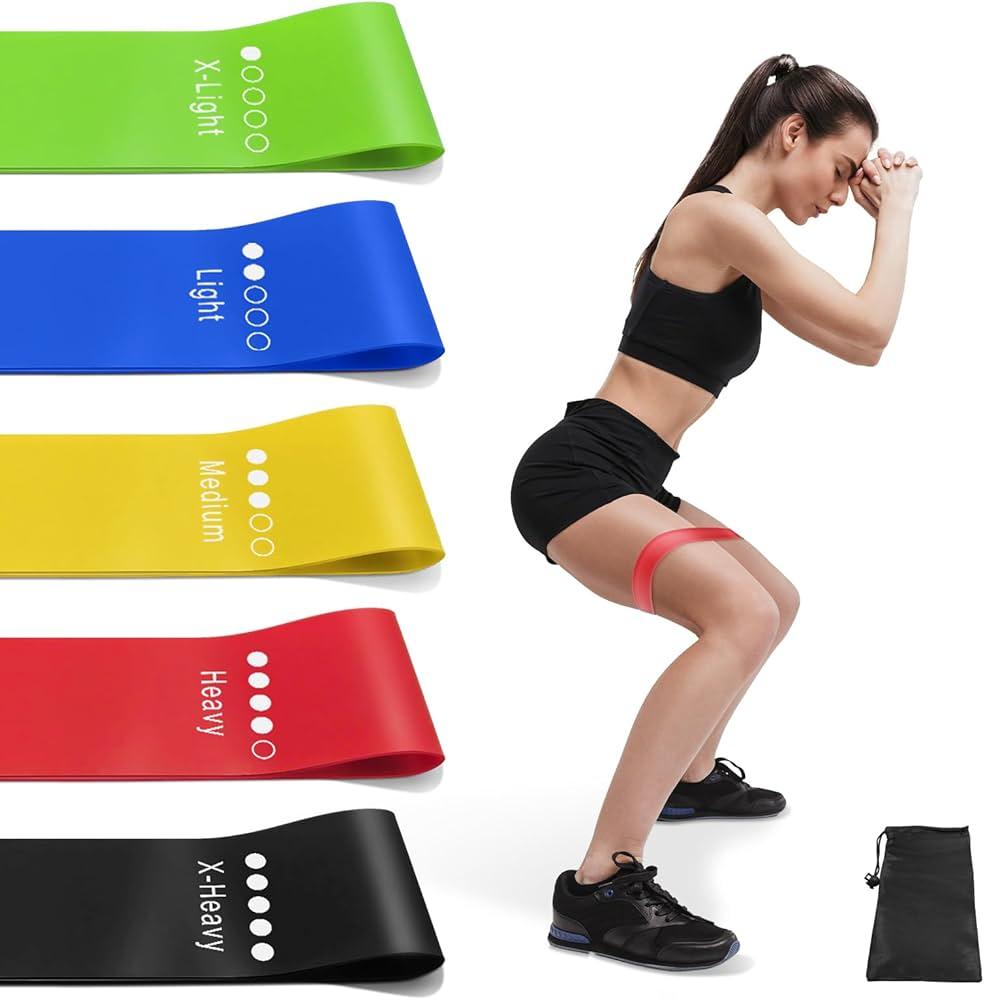
In the ever-evolving landscape of fitness, where innovation meets tradition, resistance bands have emerged as unsung heroes, quietly transforming the way we approach strength training. Versatile, portable, and accessible, these simple loops of elastic material pack a powerful punch, catering to everyone from seasoned athletes to enthusiastic beginners. With their ability to enhance flexibility, build muscle, and even support rehabilitation, resistance bands are redefining the parameters of strength training. In this article, we will explore the multifaceted nature of resistance bands, delving into their diverse applications and the myriad of benefits they offer. Whether you’re at home, in the gym, or on the go, discover how unleashing the strength of resistance bands can elevate your fitness journey to new heights.
Table of Contents
- Exploring the Benefits of Resistance Bands for Every Fitness Level
- Innovative Techniques: How to Maximize Your Workouts with Resistance Bands
- Choosing the Right Resistance Band: A Guide to Materials and Resistance Levels
- Incorporating Resistance Bands into Your Routine: Tips for Success and Variety
- In Retrospect
Exploring the Benefits of Resistance Bands for Every Fitness Level
Resistance bands are a game changer for individuals at any fitness stage, cleverly adapting to various exercises and personal goals. Whether you’re a seasoned athlete or just beginning your fitness journey, these versatile tools offer the perfect solution for strength training without the need for bulky equipment. Their unique capacity to provide adjustable tension allows users to tailor workouts according to their physical capabilities. Here are some notable benefits:
- Portability: Lightweight and compact, resistance bands can easily fit into a gym bag or suitcase, making workouts accessible on the go.
- Cost-Effective: Compared to traditional weights and machines, resistance bands are an economical alternative that delivers impressive results.
- Joint-Friendly: The smooth resistance provided helps reduce the risk of injury, making them perfect for rehabilitation and strengthening without stress on the joints.
Moreover, the use of resistance bands promotes a wide range of motion, enabling more functional movements that mirror daily activities. This dynamic approach not only enhances strength training but also improves stability, flexibility, and endurance. For instance, individuals can perform traditional strength workouts, yoga, or pilates, all while incorporating bands to amplify their efforts. Below is a comparison table highlighting key types of bands and their recommended uses:
| Type of Resistance Band | Best For |
|---|---|
| Loop Bands | Lower body exercises and glute activation |
| Tube Bands | Full-body workouts and dynamic movements |
| Fabric Bands | Resistance training with a focus on comfort and grip |
Innovative Techniques: How to Maximize Your Workouts with Resistance Bands
Resistance bands are not just tools for rehabilitation; they are powerful assets for anyone looking to enhance their workout routine. By incorporating resistance bands into your training regimen, you can engage multiple muscle groups, improve stability, and increase range of motion. Here are some innovative techniques to get the most out of your resistance bands:
- Variable Resistance: Use bands of different thicknesses to adjust the resistance level as you progress through your set, allowing for a customized challenge.
- Dynamic Stability Training: Incorporate balance exercises by standing or kneeling on one leg while performing resistance band movements to engage your core and improve stability.
- SuperSets: Pair your band exercises with bodyweight movements for an intense superset workout that maximizes calorie burn and builds endurance.
When planning your resistance band workouts, it can be helpful to utilize a structured approach. Below is a simple table to illustrate a potential workout routine targeting upper and lower body muscle groups:
| Exercise | Sets | Reps |
|---|---|---|
| Band Squats | 3 | 10-15 |
| Seated Rows | 3 | 12-15 |
| Chest Press | 3 | 10-12 |
| Standing Lateral Raises | 3 | 12-15 |
This table provides a quick reference to help you stay organized and focused during your workout sessions. By combining these innovative techniques with the versatility of resistance bands, you can unlock new levels of strength and fitness.
Choosing the Right Resistance Band: A Guide to Materials and Resistance Levels
When it comes to choosing the perfect resistance band, the material plays a crucial role in determining its durability and effectiveness. Resistance bands can be made from various materials, each offering unique benefits:
- Latex: Known for its elasticity and durability, latex bands provide a reliable resistance option for both beginners and experienced athletes.
- Fabric: These bands offer a more comfortable grip and prevent rolling, especially during lower body workouts, making them ideal for hip and glute exercises.
- Thermoplastic (TPE): A great alternative for those allergic to latex, TPE bands are environmentally friendly and can provide a similar level of resistance.
Resistance levels are equally important in maximizing your strength training experience. Bands come in varying thickness and resistance levels, which allows you to tailor your workouts to your fitness level:
| Resistance Level | Typical Thickness | Best For |
|---|---|---|
| Light | 1/4 inch | Beginners, rehabilitation exercises |
| Medium | 1/2 inch | Intermediate users, general strength training |
| Heavy | 3/4 inch | Advanced athletes, muscle building |
Incorporating Resistance Bands into Your Routine: Tips for Success and Variety
Incorporating resistance bands into your fitness routine can add a refreshing twist to traditional workouts. By utilizing different band strengths and types, you can tailor your exercises to target various muscle groups effectively. Mixing up the colors and resistance levels not only keeps your workouts engaging but also allows you to progressively challenge your body. Whether you opt for medium difficulty for endurance training or heavy resistance for strength-building, you can achieve a comprehensive workout with bands. Here are some tips for optimal band use:
- Start with a good foundation: Familiarize yourself with basic exercises such as squats, chest presses, and rows before advancing to more complex movements.
- Maintain proper form: Ensure you maintain correct posture to prevent injuries and maximize the effectiveness of each exercise.
- Incorporate resistance bands into warm-ups: Prepping your muscles with bands can enhance flexibility and reduce the risk of strain.
- Challenge your stability: Try performing exercises on one leg while using the bands to promote balance and coordination.
To inject variety into your workouts, consider structuring your sessions around different training focuses, like strength, cardio, or rehabilitation. Resistance bands can seamlessly adapt to any approach, ensuring you never hit a plateau. Below is a simple guide to help you mix things up:
| Workout Focus | Example Exercise | Duration/ Reps |
|---|---|---|
| Strength | Band Squats | 3 sets of 12 reps |
| Cardio | Resistance Band Jumping Jacks | 30 seconds on, 30 seconds off |
| Flexibility | Seated Band Stretch | Hold for 30 seconds each leg |
| Rehabilitation | Band External Rotations | 2 sets of 15 reps |
In Retrospect
resistance bands are more than just a colorful accessory for your home gym; they are a versatile tool that can enhance your fitness journey in countless ways. From targeted strength training to dynamic stretching and rehabilitation, their adaptability knows no bounds. As we’ve explored, these bands are accessible for all fitness levels, making them an ideal choice for both beginners and seasoned athletes alike. Whether you’re looking to tone your muscles, increase flexibility, or add variety to your workouts, resistance bands can elevate your regimen and unleash your potential. So, join the growing community of fitness enthusiasts who are harnessing the power of these remarkable tools, and discover a new realm of possibilities in your training. Your strength journey awaits—embrace it with resistance bands in hand!