


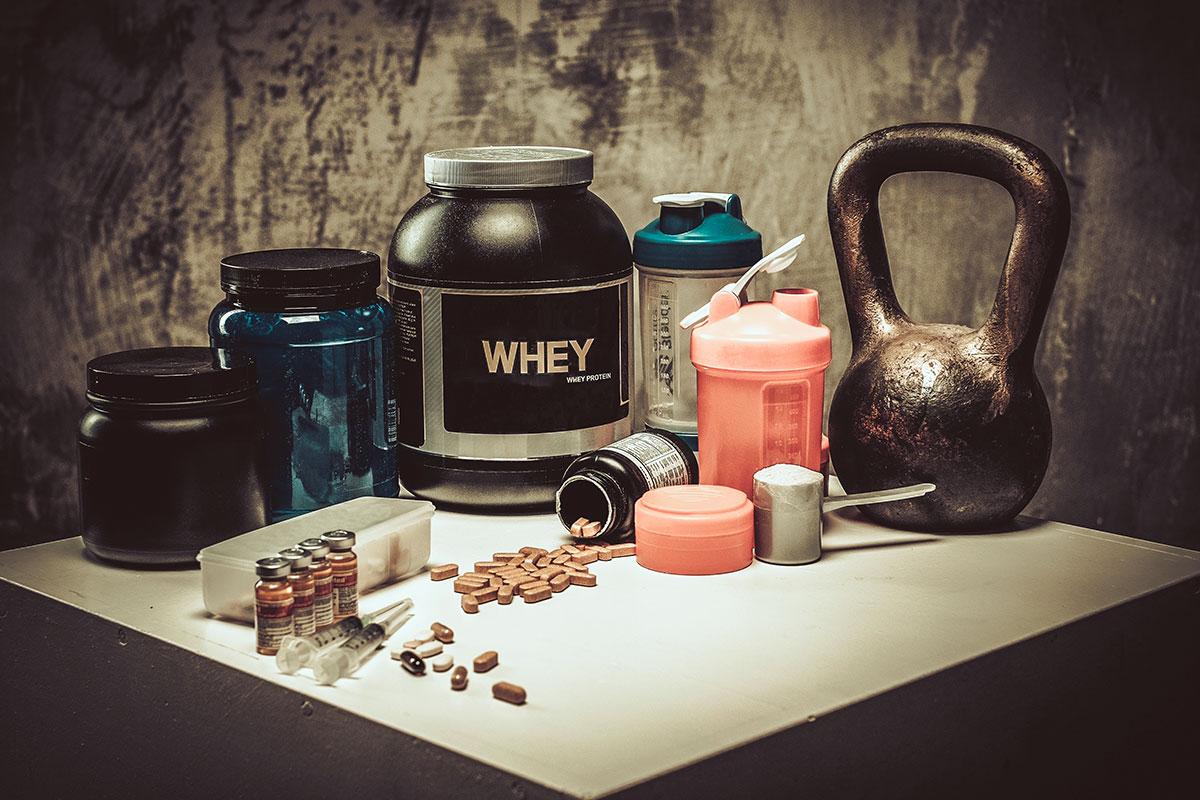
In a world increasingly obsessed with health and fitness, the market for supplements has exploded, promising everything from rapid weight loss to enhanced athletic performance. With an overwhelming array of products lining the shelves—from protein powders and pre-workout boosters to vitamins and adaptogens—it’s easy to feel both intrigued and confused. Are these supplements truly beneficial, or are they simply marketing hype? In this article, we aim to cut through the noise and unlock the truth behind fitness supplements. We’ll explore the science, provide insights into their potential effects, and help you navigate the often murky waters of supplement use. Whether you’re a seasoned athlete or just beginning your fitness journey, understanding what goes into these products is essential for making informed choices that align with your health and wellness goals. Let’s dive in!
Table of Contents
- Understanding the Role of Fitness Supplements in Your Diet
- Common Ingredients in Fitness Supplements and Their Benefits
- How to Choose the Right Supplements for Your Fitness Goals
- Potential Risks and Side Effects of Using Fitness Supplements
- To Wrap It Up
Understanding the Role of Fitness Supplements in Your Diet
Incorporating fitness supplements into your diet can be a game-changer, but understanding their purpose is essential for making informed choices. Supplements are designed to enhance your nutritional intake, providing an extra layer of support for your fitness goals. They can help bridge the gap in your diet, especially if you have specific fitness targets or dietary restrictions. Key categories of supplements include:
- Protein Powders: Aids muscle recovery and growth.
- Vitamins and Minerals: Supports overall health and wellness.
- Performance Enhancers: Increases endurance and reduces fatigue.
- Fat Burners: Assists in weight management and metabolism.
While supplements can be beneficial, they should not replace whole foods. A balanced diet rich in fruits, vegetables, lean proteins, and whole grains remains fundamental. To illustrate the potential role of supplements within a daily diet, consider the following table:
| Supplement | Primary Benefit | Recommended Usage |
|---|---|---|
| Whey Protein | Muscle Recovery | Post-workout |
| Multivitamins | Overall Health | Daily |
| Creatine | Strength & Power | Pre-workout |
| Omega-3 Fish Oil | Heart Health | Daily |
Common Ingredients in Fitness Supplements and Their Benefits
When navigating the world of fitness supplements, it’s essential to understand the common ingredients that power these products and their specific benefits. Here are a few of the most prevalent components:
- Protein: Vital for muscle repair and growth, protein is a staple in many fitness supplements, especially for athletes and bodybuilders.
- Creatine: Often used to improve strength and increase lean muscle mass, creatine enhances ATP production in muscles during high-intensity workouts.
- Branched-Chain Amino Acids (BCAAs): Comprising leucine, isoleucine, and valine, BCAAs assist in reducing muscle soreness and fatigue post-exercise.
- Beta-Alanine: This ingredient is known for its ability to increase endurance and performance by buffering acid in muscles during intense activity.
Understanding these components helps identify which supplements align with your fitness goals. Below is a quick reference table summarizing their key benefits:
| Ingredient | Benefits |
|---|---|
| Protein | Muscle repair and growth |
| Creatine | Increased strength and lean muscle mass |
| BCAAs | Reduced muscle soreness and fatigue |
| Beta-Alanine | Improved endurance and performance |
How to Choose the Right Supplements for Your Fitness Goals
When it comes to enhancing your fitness journey, choosing the right supplements can feel overwhelming. The key lies in aligning your supplement selection with your specific fitness goals. Start by assessing what exactly you want to achieve. Are you aiming for muscle gain, improved endurance, or weight loss? Once you have a clear objective, it becomes easier to narrow down your options. Consider opting for supplements that contain well-researched ingredients, such as protein powders for muscle recovery, BCAAs for endurance support, and creatine for strength enhancement.
Next, take time to research and evaluate potential products before making a purchase. Look for brands that are transparent about their ingredient sourcing and manufacturing practices. Reading reviews from other fitness enthusiasts can provide valuable insights into effectiveness and taste. Additionally, be wary of products that make exaggerated claims; they often fall short. Checking for third-party testing and certifications can further ensure you are choosing a reputable supplement. Here’s a quick reference table to help you visualize some common supplements and their intended benefits:
| Supplement | Primary Benefit |
|---|---|
| Protein Powder | Muscle recovery and growth |
| BCAAs | Reduced muscle soreness |
| Creatine | Enhanced strength and power |
| Omega-3 Fatty Acids | Improved joint health and recovery |
Potential Risks and Side Effects of Using Fitness Supplements
While fitness supplements can offer benefits, it’s critical to be aware of the potential risks and side effects that accompany their use. Many supplements are not rigorously tested for safety, leading to variations in quality and purity. This inconsistency can result in exposure to harmful contaminants or ingredients that may not be well-regulated. Users may experience a range of side effects, from mild discomfort to more serious health complications. Common risks include:
- Gastrointestinal issues: Nausea, bloating, and diarrhea may occur.
- Cardiovascular problems: Some stimulants can increase heart rate and blood pressure.
- Allergic reactions: Ingredients can provoke unexpected allergies.
- Interactions with medications: Supplements may interfere with prescribed drugs.
Moreover, the long-term effects of many fitness supplements remain largely unknown. Users should be cautious of pre-workout formulas and fat burners, which often contain high levels of caffeine and other stimulants, potentially leading to insomnia, jitters, or anxiety. It’s just as important to be wary of claims made by supplement manufacturers, many of which are unverified. Before incorporating any supplement into your regimen, it can be helpful to discuss options with a healthcare professional to ensure a safe and effective approach. Below is a simple overview of some common fitness supplements and their potential risks:
| Supplement | Potential Risks |
|---|---|
| Creatine | Weight gain, gastrointestinal issues |
| Protein Powders | Kidney strain, allergies |
| Stimulant-Based Products | Increased heart rate, anxiety |
| Branched-Chain Amino Acids (BCAAs) | Fatigue, loss of coordination |
To Wrap It Up
while fitness supplements can play a role in supporting your health and optimizing your workouts, they are not a magical solution for achieving your fitness goals. Informed choices, rooted in credible research, are essential when navigating the often overwhelming world of supplements. Always prioritize a balanced diet, regular physical activity, and proper hydration, as these are the foundations of good health.
Before incorporating any new supplement into your regimen, consulting with a healthcare professional or a registered dietitian can provide personalized insights and ensure safety. Remember, the effectiveness of supplements can vary from person to person, so it’s crucial to listen to your body and adjust accordingly.
By unlocking the truth about fitness supplements, you’re one step closer to making educated decisions that align with your health and fitness aspirations. Stay informed, stay safe, and keep striving for your best self!