


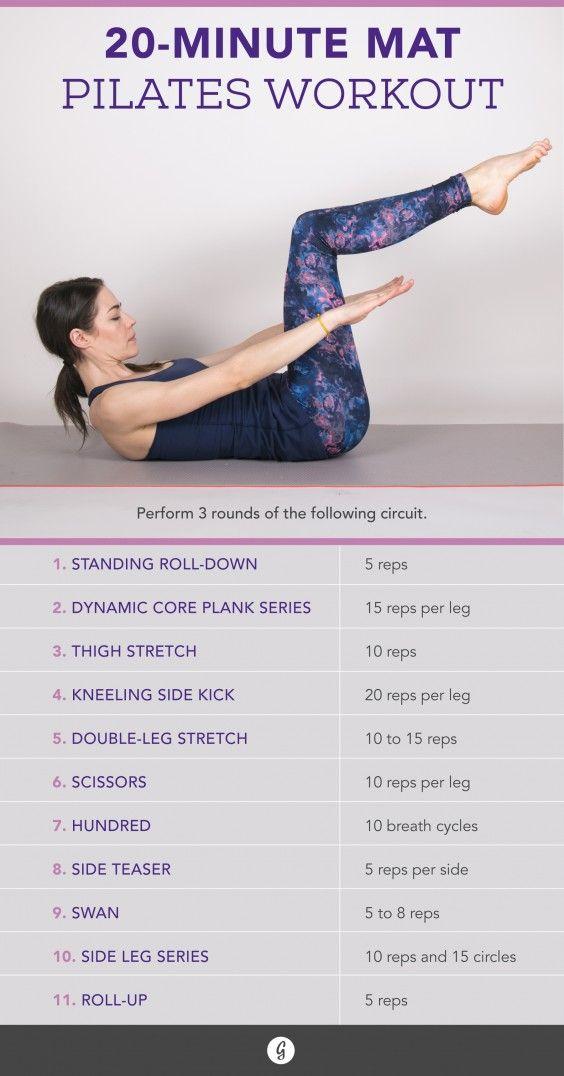
In an age where wellness takes center stage, finding the right fitness routine can be both exhilarating and overwhelming. Among the myriad of options available, Pilates stands out as a holistic approach that combines strength, flexibility, and mindfulness. But what if you could elevate your fitness journey to new heights with a comprehensive Pilates program? This article will guide you through the transformative power of Pilates, exploring its core principles, diverse benefits, and how a structured program can help you achieve your wellness goals. Whether you’re a seasoned athlete or just starting out, discover how Pilates could be the key to unlocking your potential and fostering a greater connection between mind and body. Join us as we delve into the world of Pilates and uncover the pathway to a balanced, invigorated, and empowered fitness experience.
Table of Contents
- Unlocking Core Strength Through Pilates Essentials
- Enhancing Flexibility and Posture with Targeted Techniques
- Incorporating Mindfulness for a Holistic Approach to Fitness
- Setting Realistic Goals and Tracking Progress in Your Pilates Practice
- Insights and Conclusions
Unlocking Core Strength Through Pilates Essentials
Building a solid foundation of core strength is essential for enhancing overall fitness and stability. Pilates emphasizes controlled movements and deep breathing, enabling practitioners to engage their core muscles effectively. When participating in a comprehensive Pilates program, individuals can expect to improve their posture, increase flexibility, and strengthen not only the abdominals but also the muscles surrounding the spine and pelvis. This interconnected approach nurtures a balanced body, promoting optimal alignment and minimizing the risk of injury.
To fully benefit from Pilates essentials, consider incorporating these fundamental principles into your practice:
- Concentration: Focusing on your breath and movements helps develop body awareness.
- Control: Every exercise requires precision, ensuring muscles are engaged throughout.
- Centering: The core is the focal point, drawing energy from this central powerhouse.
- Flow: Movements should seamlessly transition, promoting grace and efficiency.
This holistic approach can be illustrated in the following table, highlighting the sequential progression of core-strengthening exercises:
| Exercise | Description | Benefits |
|---|---|---|
| Plank | Hold a push-up position while engaging the core. | Builds overall strength and stability. |
| Roll Up | Slowly roll up from lying down to sitting. | Enhances spinal flexibility and abdominal strength. |
| Single Leg Circles | Draw circles with one leg while keeping the body stable. | Improves hip mobility and core engagement. |
Enhancing Flexibility and Posture with Targeted Techniques
Harness the power of tailored movements to unlock a new level of flexibility and posture enhancement. Implementing specific techniques can dramatically improve your body’s alignment and range of motion, transforming your overall fitness experience. Focus on key muscle groups that often carry tension and weakness. By incorporating targeted stretching and strengthening exercises, you can:
- Improve spinal alignment: Engage your core and back muscles.
- Enhance joint mobility: Focus on hips, shoulders, and wrists.
- Increase flexibility: Target tight areas with dynamic stretches.
Through consistent practice, individuals can achieve remarkable outcomes that resonate throughout their daily lives. Here are some benefits of targeted techniques you can expect to experience:
| Benefit | Description |
|---|---|
| Better Posture | Correct muscle imbalances and support spinal integrity. |
| Reduced Injury Risk | Strengthen muscles, enhancing stability and control. |
| Enhanced Performance | Improved movement efficiency in daily activities. |
Incorporating Mindfulness for a Holistic Approach to Fitness
Integrating mindfulness into your fitness routine can transform the way you approach Pilates. When you practice mindfulness, you cultivate a deeper awareness of your body and its movements, enabling you to connect with your physical and mental states. This connection fosters a heightened sense of control and improves your overall performance. Consider incorporating the following practices into your Pilates program:
- Focus on Breath: Start each session with mindful breathing exercises to center yourself and enhance oxygen flow.
- Body Scan: Perform a body scan before workouts to identify areas of tension and consciously release them.
- Mindful Movement: Pay attention to each movement and its alignment in space, promoting both precision and grace.
- Positive Affirmations: Use affirmations to reduce negative self-talk and build confidence during each session.
To further enhance your mindfulness practice while engaging in Pilates, consider adopting a reflective journaling technique. Keeping track of your sessions can help establish a deeper understanding of your physical progress as well as your mental state. You can create a simple table to record your thoughts, feelings, and experiences after each class:
| Date | Session Focus | How I Felt | Reflections |
|---|---|---|---|
| MM/DD/YYYY | Core Strength | Empowered | Felt a strong connection with my movements. |
| MM/DD/YYYY | Flexibility | Relaxed | Noticed significant progress in my stretching. |
| MM/DD/YYYY | Balance | Grounded | Achievements in stability enhanced my confidence. |
Setting Realistic Goals and Tracking Progress in Your Pilates Practice
Embarking on a Pilates journey requires not only passion and dedication but also a clear vision of your aspirations. Start by defining SMART goals—Specific, Measurable, Achievable, Relevant, and Time-bound—that resonate with your lifestyle and fitness level. For instance, instead of a vague goal like “I want to get better at Pilates,” consider setting a goal to “master the hundred exercise by practicing twice a week for the next month.” Documenting your objectives will help you maintain focus and serve as motivation during challenging moments. Additionally, consider using a journal or fitness app to log your sessions, noting what exercises you performed and how you felt afterwards.
As you progress, it’s crucial to periodically evaluate your goals and adjust them as needed. Tracking your improvements can be incredibly rewarding, whether it’s mastering a new pose, enhancing your flexibility, or increasing your endurance. To facilitate this process, maintain a simple progress chart that highlights the following:
| Goal | Start Date | End Date | Status |
|---|---|---|---|
| Master the Hundred | October 1 | October 31 | In Progress |
| Achieve Full Split | October 1 | November 30 | Pending |
| Increase Core Strength | October 1 | October 15 | Achieved |
This visual representation not only keeps you motivated but also allows you to celebrate small victories along the way, making your Pilates practice both enjoyable and fulfilling.
Insights and Conclusions
As we wrap up this exploration of how a comprehensive Pilates program can elevate your fitness journey, it’s important to remember that every step you take towards better health is a significant one. Pilates, with its focus on strength, flexibility, and mindfulness, offers a holistic approach that can transform not just your body, but also your mindset. Whether you are a seasoned athlete or a beginner, incorporating Pilates into your routine can provide you with the tools necessary to enhance your overall well-being.
So, take a moment to reflect on your personal fitness goals. Consider how Pilates can be the key to unlocking new potential within yourself—both physically and mentally. By committing to this practice, you’re not just working out; you’re investing in yourself and your future health. Here’s to embracing the journey, one graceful movement at a time. Let your Pilates practice be a source of inspiration and empowerment as you continue to elevate your fitness aspirations.