


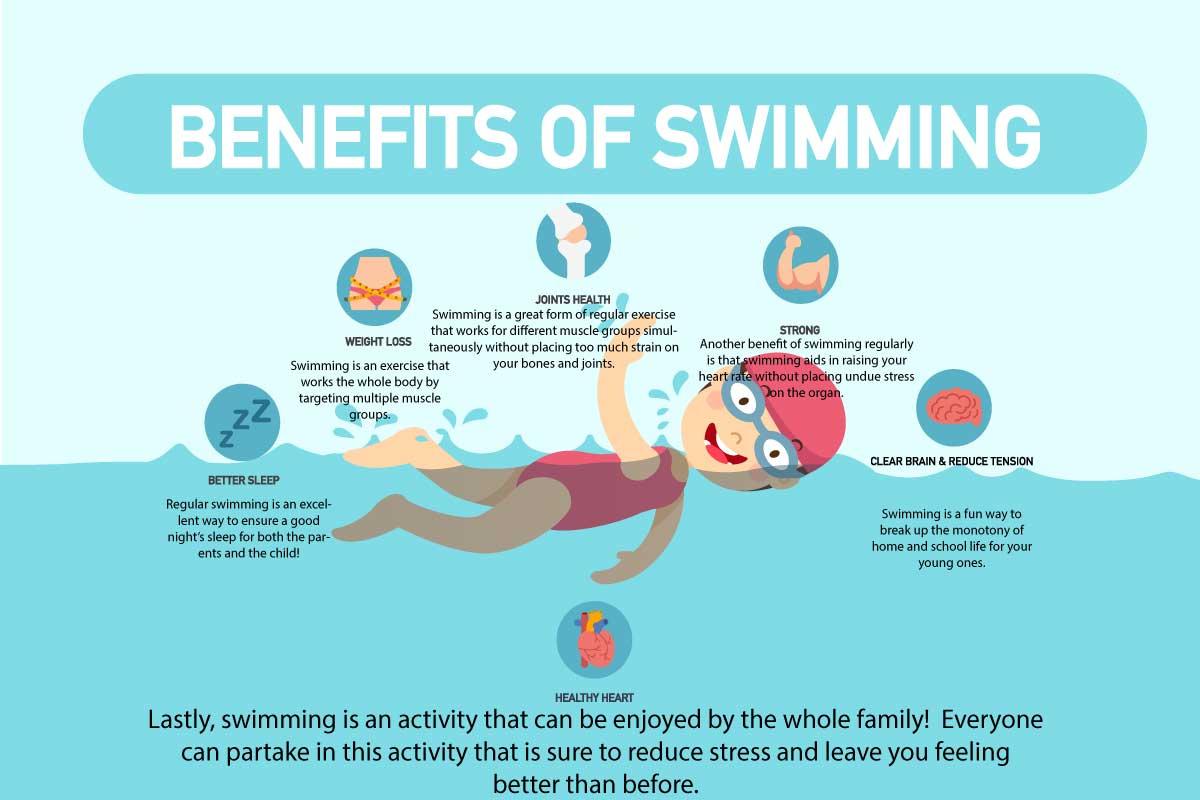
As the sun glistens on the surface of the water and the rhythmic sound of splashes fills the air, a world of fitness unfolds beneath the waves. Swimming, often viewed as a leisurely escape from the heat of summer, is much more than a refreshing dip; it is a powerful ally in the pursuit of cardiovascular health. Whether you glide gracefully through pools, lakes, or oceans, the fluid motions of swimming offer a unique blend of exercise that combines strength, endurance, and flexibility—all crucial elements of a well-rounded fitness regimen. In this exploration of the benefits of swimming for cardiovascular fitness, we will dive deep into how this low-impact activity not only tones the body but also invigorates the heart, boosts endurance, and creates a soothing escape from the rigors of everyday life. Join us as we navigate the waves of wellness and discover why swimming might just be the perfect addition to your cardio routine.
Table of Contents
- Exploring the Cardiovascular Rewards of Aquatic Exercise
- Mastering Technique for Enhanced Endurance and Efficiency
- Incorporating Swimming into Your Weekly Fitness Routine
- Overcoming Common Barriers to Regular Swimming Engagement
- Closing Remarks
Exploring the Cardiovascular Rewards of Aquatic Exercise
Engaging in aquatic exercise offers a wealth of cardiovascular benefits that only the soothing embrace of water can provide. When you immerse yourself in a pool, the buoyancy reduces the impact on your joints, allowing for an extended workout that can elevate your heart rate while minimizing the risk of injury. The cool temperature of the water encourages you to push beyond your perceived limits, enabling longer durations of exercise that strengthen the heart and improve overall endurance. Swimming laps or participating in water aerobics not only challenges your body but also promotes circulation and oxygen uptake efficiently.
Furthermore, aquatic activities can be tailored to fit all fitness levels, making them accessible to everyone from beginners to seasoned athletes. A commitment to regular swimming can involve various strokes—each contributing uniquely to cardiovascular health. The table below highlights some key swimming strokes and their cardiovascular advantages:
| Swimming Stroke | Cardiovascular Benefits |
|---|---|
| Freestyle | Enhances aerobic capacity and endurance |
| Breaststroke | Increases stamina and builds leg strength |
| Backstroke | Improves posture and engages core muscles |
| Butterfly | Offers a full-body workout boosting heart health |
With a range of strokes to choose from, swimmers can easily mix their routines to keep themselves engaged while nurturing their cardiovascular system. The rhythmic nature of swimming promotes a steady heart rate, allowing for significant calorie burning over time. As you refine your techniques, you’ll discover how embracing the water can lead to both remarkable physical advancements and elevated heart health, transforming your fitness journey into a refreshing adventure.
Mastering Technique for Enhanced Endurance and Efficiency
Improving your swimming technique can dramatically enhance your endurance and efficiency in the water, making your workouts not only more enjoyable but also more productive. By focusing on key elements of form and stroke mechanics, you can maximize your cardiovascular benefits while effectively minimizing energy expenditure. Some crucial aspects to consider include:
- Body Position: A streamlined position reduces drag, allowing you to glide effortlessly.
- Breathing Technique: Mastering bilateral breathing enhances your stamina and maintains a balanced stroke.
- Kick Efficiency: A strong but controlled kick can propel you forward without wasting valuable energy.
Incorporating drills focusing on these components into your routine can lead to extraordinary improvements. Additionally, here’s a simple overview of a week-long training regimen aimed at refining your swimming skills:
| Day | Focus Area | Duration |
|---|---|---|
| Monday | Body Position Drills | 30 mins |
| Wednesday | Breathing Techniques | 30 mins |
| Friday | Kick Efficiency | 30 mins |
| Saturday | Endurance Swim | 45 mins |
By dedicating time to each of these focuses, you can enhance your swimming performance, allowing for longer, more efficient workouts that contribute to overall cardiovascular fitness.
Incorporating Swimming into Your Weekly Fitness Routine
Integrating swimming into your weekly fitness routine not only enhances your cardiovascular health but also provides a low-impact alternative to traditional workouts. Whether you’re gliding through the water for leisure or engaging in structured swim sessions, this versatile activity can fit seamlessly into your schedule. Aim for at least 2–3 swimming sessions per week, each lasting between 30 to 60 minutes, to reap the maximum benefits. Consider the following ways to incorporate swimming:
- Set a Regular Schedule: Pick specific days and times dedicated to swimming to establish a routine.
- Select Diverse Workouts: Alternate between freestyle, breaststroke, and interval training to keep your sessions dynamic.
- Join a Swim Class: Enlist in organized classes for guided workouts and social interaction.
- Add Water Aerobics: Incorporate water-based fitness classes for a fun mix of swimming and resistance training.
To track your progress and stay motivated, consider using a simple table to log your swimming sessions. This can help you visualize improvements and keep your routine engaging:
| Week | Distance Swum (meters) | Time Taken (minutes) | Style |
|---|---|---|---|
| 1 | 800 | 30 | Freestyle |
| 2 | 1000 | 35 | Breststroke |
| 3 | 1200 | 40 | Mixed Styles |
By consistently incorporating swimming into your fitness regimen, you’re not just improving your physical health; you’re also embracing a refreshing mental break. The rhythmic nature of swimming, combined with the soothing qualities of water, can help reduce stress and enhance your overall well-being.
Overcoming Common Barriers to Regular Swimming Engagement
Many individuals encounter obstacles that can deter them from making swimming a regular part of their fitness routine. One common issue is time constraints, as busy schedules often leave little room for leisure activities. To combat this, consider establishing a consistent routine that integrates swimming into your week, such as designated times for pool access. Another barrier is the feeling of insecurity or discomfort in the water, which can be addressed by enrolling in beginner classes or seeking guidance from experienced swimmers, helping build confidence and techniques gradually.
Logistics, such as access to a pool or swimming facility, can also be a significant hurdle. To overcome this, explore local community centers, gyms, or universities that offer affordable swimming options. Additionally, creating a sense of accountability through swimming clubs or finding a swimming buddy can greatly enhance motivation and commitment. If financial concerns are an issue, many establishments offer free trial periods or affordable membership rates that cater to various budgets.
Closing Remarks
As we reach the conclusion of our journey into the refreshing world of swimming, it becomes clear that this fluid form of fitness offers far more than a simple workout. Whether you glide through the calm waters of a local pool or navigate the waves of the ocean, swimming serves as a holistic approach to cardiovascular health, combining strength, endurance, and tranquility in a rhythm that echoes the gentle ebb and flow of the water itself. The benefits are profound: increased lung capacity, improved circulation, and a sanctuary for the mind, all of which contribute to a balanced and resilient body.
So, as you contemplate your next move in the realm of fitness, remember the allure of diving into the water. With each stroke, you not only enhance your heart health but also immerse yourself in an experience that nurtures both body and spirit. In a world bustling with activities vying for your attention, swimming stands out as a timeless, versatile exercise that invites you to connect with your body in a uniquely liberating way. So, don your swim gear and embrace the call of the pool or sea—a world of vitality awaits just beneath the surface.