


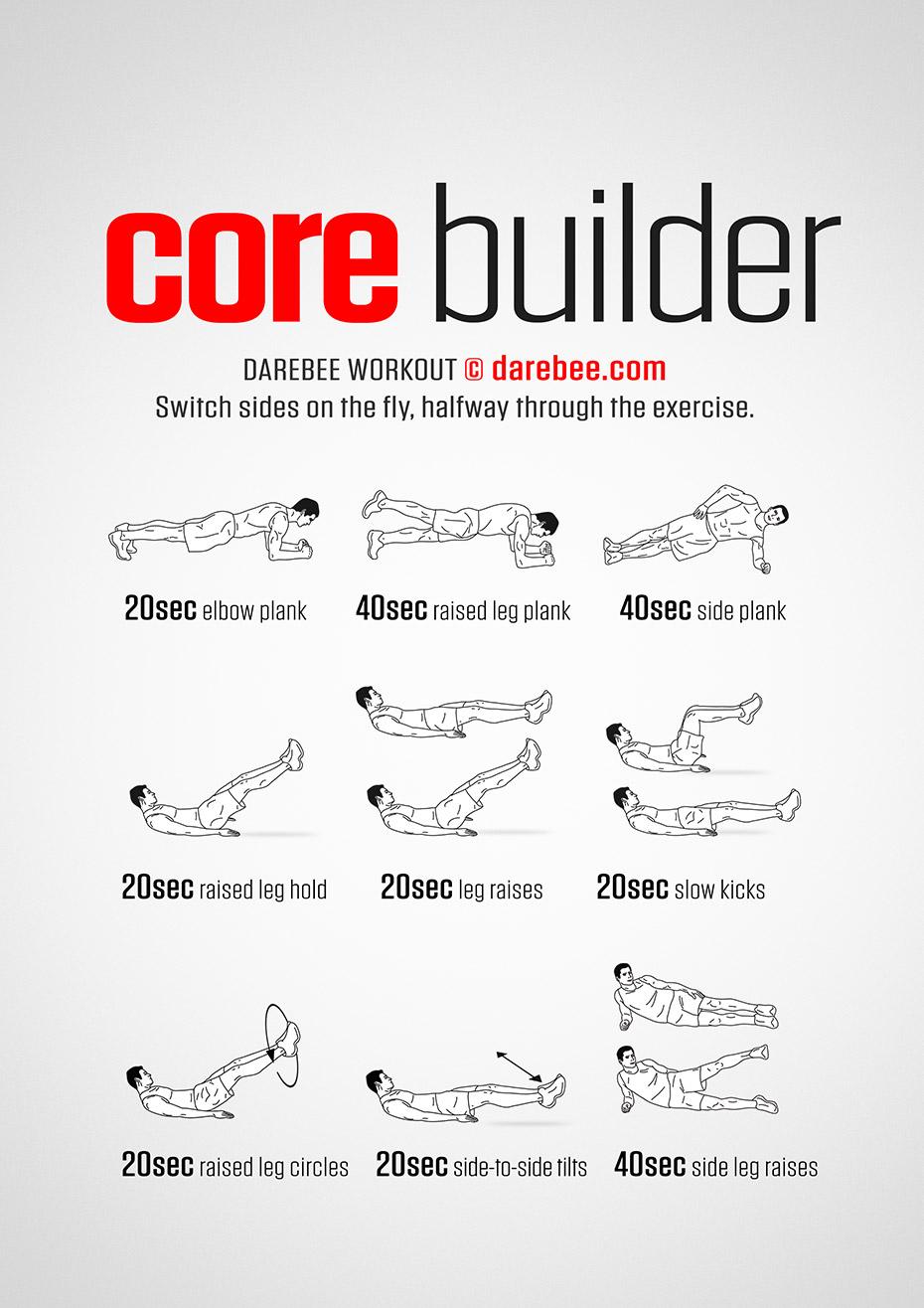
In the realm of physical fitness, the significance of core strength is often underscored as a foundational element for overall health and performance. The core, encompassing a complex series of muscles, extends beyond the abdominal region to include the back, pelvis, and diaphragm. A strong core is crucial not only for athletic performance but also for daily activities, posture, and injury prevention. This article explores essential core workouts designed to enhance stability, strength, and endurance. By focusing on targeted exercises, individuals can develop a robust core that supports their fitness goals and promotes a healthier lifestyle. Whether you are a seasoned athlete or a beginner, understanding the importance of core strength and incorporating effective workouts into your routine can yield substantial benefits for your physical well-being.
Table of Contents
- Understanding the Importance of Core Strength in Physical Fitness
- Key Muscles Involved in Core Stability and Their Functions
- Effective Core Workouts for Beginners and Advanced Practitioners
- Incorporating Core Exercises into Your Weekly Fitness Routine
- The Way Forward
Understanding the Importance of Core Strength in Physical Fitness
Core strength is a critical foundation for overall athletic performance and daily functional movements. A strong core stabilizes the body, allowing for improved posture and balance, which are essential in all physical activities. Whether lifting weights, running, or engaging in sports, a well-conditioned core acts as a central link, facilitating efficient movement patterns and reducing the risk of injury. Additionally, core strength contributes to better coordination and enhances the ability to generate power from the center of the body, translating to improved performance in various exercises.
Incorporating core workouts into your fitness routine provides numerous benefits, including enhanced endurance and functional strength. Effective core exercises engage multiple muscle groups and promote a synergistic effect, leading to improved stability throughout the entire body. Key benefits of core strength include:
- Injury Prevention: A strong core helps to protect the spine and minimize the risk of injuries during physical activity.
- Improved Posture: Strengthening core muscles supports spinal alignment, which improves posture.
- Enhanced Athletic Performance: Core strength is crucial for activities that require balance, speed, and power.
- Better Balance and Stability: Core strength improves your stability, leading to better performance in all activities.
Key Muscles Involved in Core Stability and Their Functions
The human core is a complex network of muscles that work together to provide stability and support for the body, particularly during movement. Key muscles involved in core stability include:
- Rectus Abdominis: Often referred to as the ”six-pack,” this muscle runs vertically along the front of the abdomen and is crucial for flexing the spine.
- Transverse Abdominis: The deepest layer of the abdominal muscles, it acts like a natural corset, providing essential support and stability to the spine.
- Obliques: These muscle groups, located on the sides of the abdomen, assist in rotation and lateral flexion of the torso. They help with stability during dynamic movements.
- Multifidus: A series of small muscles along the spine, they play a key role in maintaining spinal alignment and stability.
- Pelvic Floor Muscles: Essential for maintaining pelvic stability, they support internal organs and are crucial for overall core function.
In addition to these primary players, the core also involves muscles in the back, hips, and even the shoulders, working synergistically to maintain posture and balance. Notably:
- Erector Spinae: These muscles help to extend the spine and play a crucial role in posture.
- Gluteus Maximus: While primarily known for hip extension, they also contribute significantly to core stability by stabilizing the pelvis.
- Diaphragm: This muscle not only aids in respiration but also stabilizes the core during various activities.
Effective Core Workouts for Beginners and Advanced Practitioners
Whether you’re just beginning your fitness journey or have been honing your skills for years, incorporating effective core workouts into your routine is essential. For beginners, focusing on foundational exercises can pave the way for strength and stability. Plank holds, glute bridges, and bicycle crunches are great starters. These exercises not only engage multiple muscle groups but also enhance posture and balance, setting you up for more complex moves in the future. Aim for 2-3 sets of 10-15 repetitions, ensuring you maintain proper form to avoid injury.
Advanced practitioners can escalate their core regimen by integrating exercises that challenge stability and engage the muscles in different ways. Hanging leg raises, Russian twists with weights, and v-ups can be effective in pushing your limits. To maximize your efforts, consider varying your workout tempo; slow controlled movements can build endurance while explosive movements can enhance power. Below is a quick reference table to illustrate a balanced routine for both beginners and advanced trainees:
| Level | Exercise | Reps/Sets |
|---|---|---|
| Beginner | Plank Holds | 3 sets x 30 seconds |
| Beginner | Glute Bridges | 3 sets x 15 reps |
| Advanced | Hanging Leg Raises | 4 sets x 10 reps |
| Advanced | Russian Twists | 4 sets x 15 reps |
Incorporating Core Exercises into Your Weekly Fitness Routine
To effectively integrate core exercises into your weekly fitness plan, it’s essential to focus on variety and balanced intensity. Allocating specific days for core work can make a significant difference in your overall strength and stability. Consider organizing your week with dedicated core sessions that can be paired with other workouts, such as:
- Power Yogi: Combine yoga poses that engage your core with strength sessions.
- Cardio Blast: Follow up a cardiovascular workout with 10-15 minutes of dedicated core exercises.
- Strength Circuits: Incorporate core exercises into your strength training routine by alternating between upper and lower body exercises.
To ensure well-rounded core development, aim to incorporate different types of exercises targeting various muscle groups. This can include stability work, rotational movements, and anti-extension exercises. Here’s a simple table to assist in structuring your core workout week:
| Day | Core Focus | Example Exercise |
|---|---|---|
| Monday | Stability | Plank Variations |
| Wednesday | Rotation | Russian Twists |
| Friday | Flexibility | Bird-Dogs |
The Way Forward
incorporating essential core workouts into your fitness regimen is fundamental for establishing a strong foundation for overall physical health. By targeting the muscles that support your spine and pelvis, these exercises provide a range of benefits, including improved posture, enhanced athletic performance, and a reduced risk of injury. As you strive to build a well-rounded fitness routine, consider integrating various core exercises that align with your individual goals and fitness level. Consistency and proper technique are key to achieving optimal results. Ultimately, a strong core serves not only as a pillar of strength but also as a catalyst for greater functional movement in your daily activities and workouts.